


 Shkruar nga Pamfleti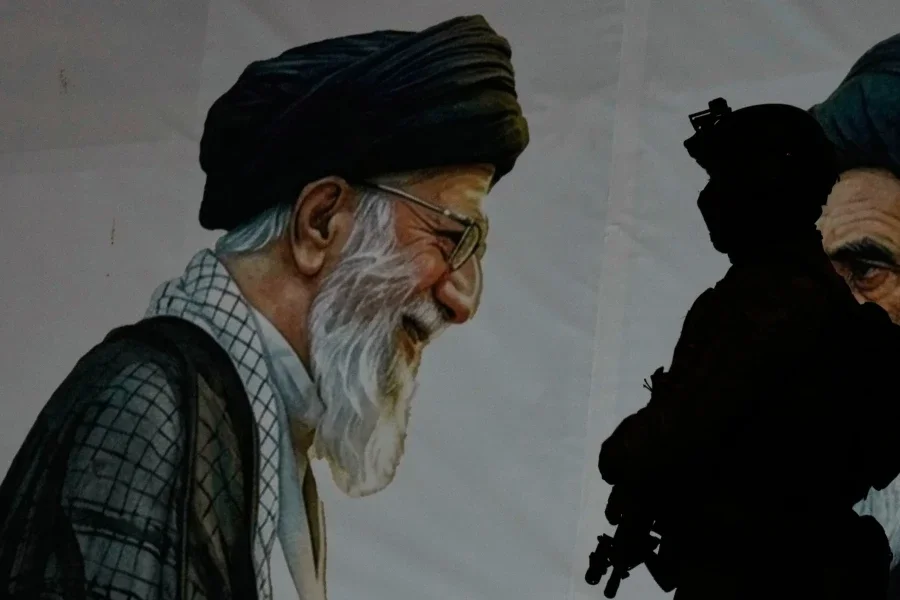
Ali Khamenei had presented three names as possible successors, but his son was not among them, details on how he came to power
Mojtaba Khamenei was elected as the new Supreme Leader of Iran, but this development did not pass quietly. It was imposed as a forced solution and was accompanied by intense behind-the-scenes negotiations, secret negotiations, opposition and clashes, which are described as an Iranian version of the series “Game of Thrones”.
Two influential families, the Khamenei and the Khomeini, along with important political and military figures, competed for succession to power, according to the New York Times. In a previous report, the newspaper revealed that Ali Khamenei had proposed three possible names for a successor, but his son was not among them.
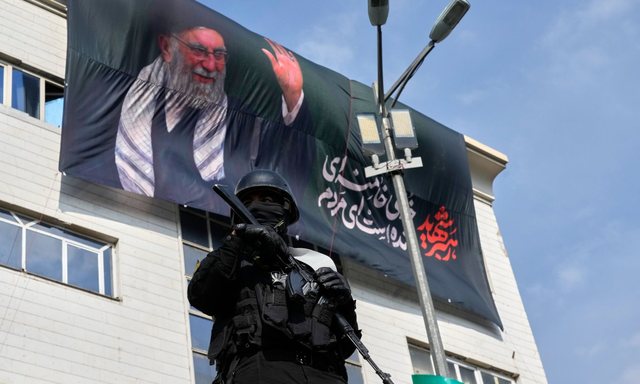
The election of the third supreme leader of the Islamic Republic took place under forced conditions, following the assassination of Ayatollah Ali Khamenei on the first day of the war launched against Iran by Israel and the United States, on February 28. In these circumstances, the survival of the theocratic system was put to the test, while the priority became the selection of a successor with full religious, political and military authority.
The preliminary events emerge from the testimonies of five senior Iranian officials, two clerics, two people connected to the Supreme Leader's office, and three members of the Islamic Revolutionary Guard Corps (IRGC) who have knowledge of the selection process. According to these sources, Mojtaba Khamenei was not considered a natural candidate to succeed his father.
Secret meetings
On March 3, the Assembly of Experts on Leadership, made up of 88 clerics with constitutional responsibility for electing the Supreme Leader, held a virtual secret meeting to begin the voting process. The procedure requires a candidate to receive two-thirds of the votes.
The meeting took place hours after Israeli airstrikes hit the council's headquarters in the city of Qom, home to many clerics. The attack resulted in casualties among administrative staff. Following the death of Ali Khamenei, rival political factions and IRGC leaders began moves to bolster their candidates and secure positions of influence.
The divide between conservatives and moderates
The conservative wing of the regime sought the selection of a figure who would guarantee continuity of domestic and foreign policies and a tougher stance against calls for change. In contrast, the moderate wing sought a leader with a new approach, who would reduce tensions with the United States and open a new political chapter.
Mojtaba Khamenei received strong support from IRGC leaders, including senior commander Ahmad Vahidi, General Mohammad Ali Aziz Jafari, parliament speaker and former commander Mohammad Baqer Qalibaf, as well as Hossein Taeb, former head of the IRGC's intelligence service.
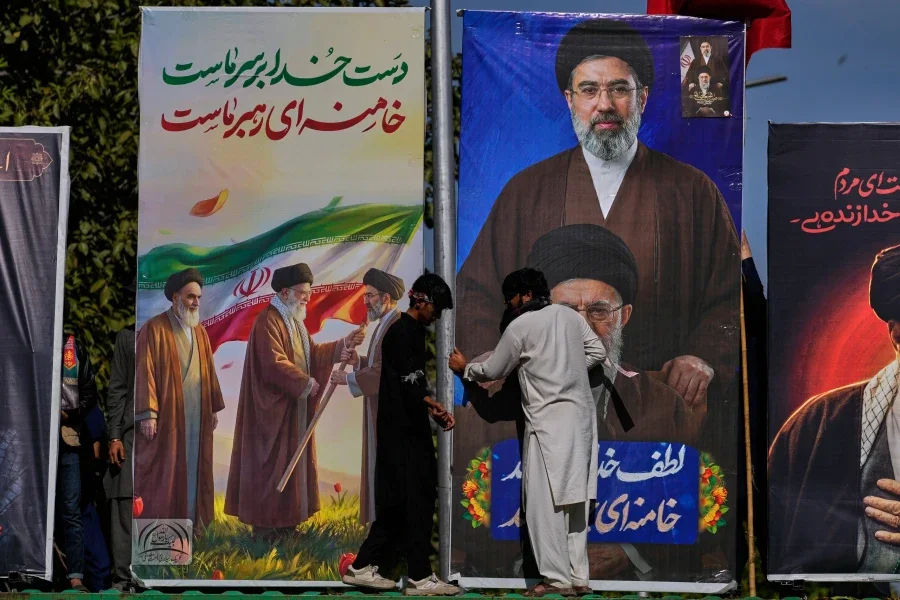
Opposition came from prominent figures, most notably Ali Larijani, head of Iran's National Security Council. He said the country needed a unifying, moderate figure and warned that Mojtaba Khamenei could be divisive. President Masoud Pezeshkian and several officials and clerics also joined the camp.
Moderators proposed alternative candidates such as former President Hassan Rouhani, Hassan Khomeini, the grandson of the founder of the Islamic Republic, and theologian Alireza Arafi as a compromise.
Voting decision
As the debates continued, anger within the political and religious establishment toward US President Donald Trump and Israeli Prime Minister Benjamin Netanyahu grew, fueling the tendency to elect a leader who would guarantee continuity with the previous line.
In the first round of voting on March 3, Mojtaba Khamenei secured the necessary two-thirds majority, reflecting the IRGC's influence in the process.
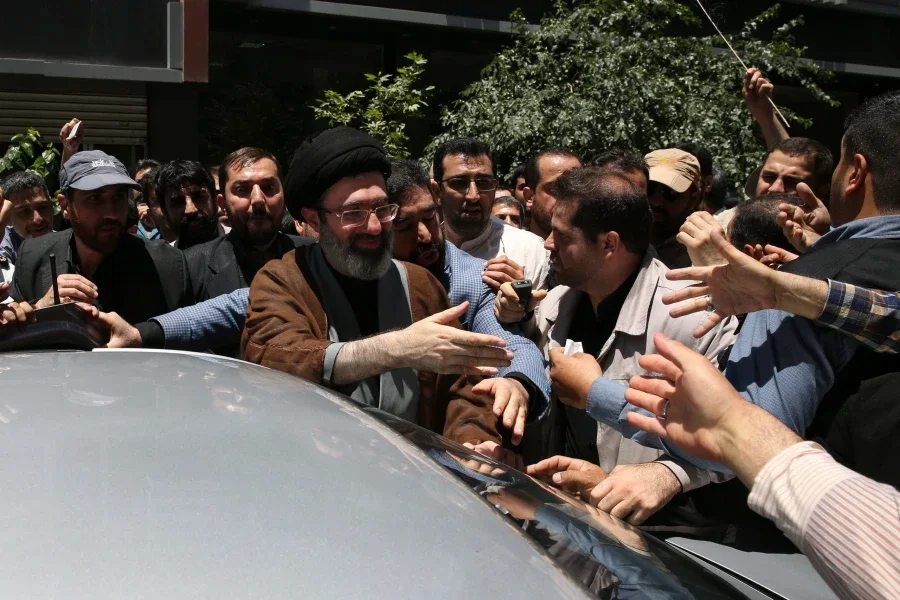
The result was scheduled to be announced in the early hours of March 4, but Ali Larijani temporarily postponed the announcement, warning that publishing the new leader's identity could make him a target for assassination.
Attempt to obstruct the decision
The moderator wing used the postponement to request a reconsideration of the decision, arguing that the vote should have taken place physically and not virtually.
Two senior aides to Ali Khamenei testified that he had opposed a member of his family succeeding him, considering it contrary to the principles of the 1979 Islamic Revolution.
They also presented a written testament with this stance and demanded the cancellation of the first vote, but IRGC leaders intervened to thwart this effort.
IRGC intervention
On March 7, a statement by the Iranian president, in which he apologized to Arab countries and promised to stop the attacks, caused a strong reaction from Revolutionary Guard commanders, who supported Mojtaba Khamenei's candidacy.
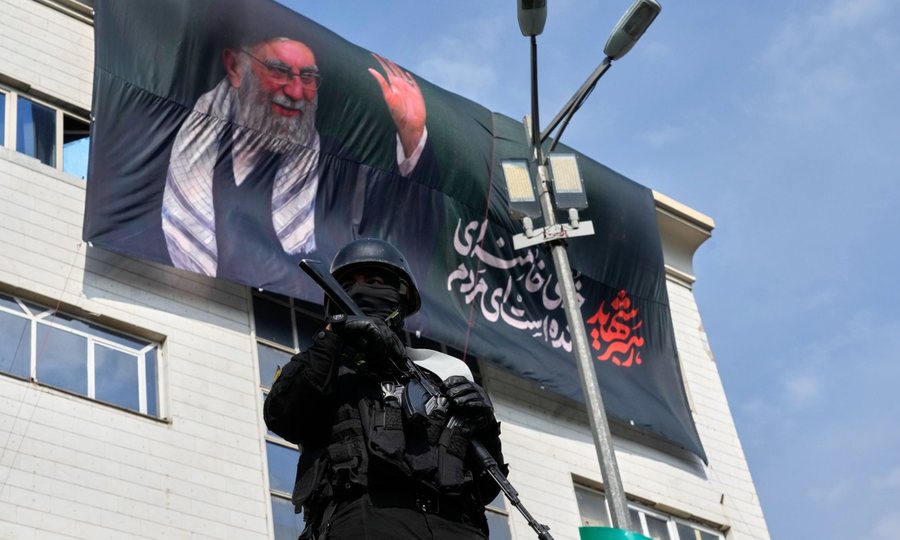
They then pressured the Assembly of Experts to hold a new meeting and a final vote. Hossein Taeb contacted all 88 members, urging them to support Khamenei, calling it a “religious and moral obligation.”
On March 8, a new virtual meeting was held and the vote was again conducted by secret ballot. Mojtaba Khamenei received 59 out of 88 votes, exceeding the required two-thirds majority.
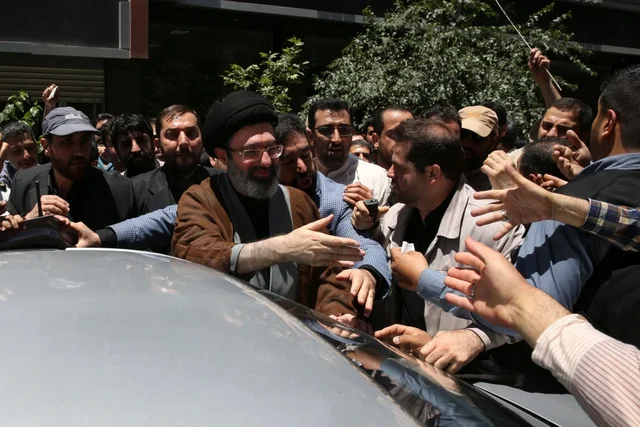
Shortly before midnight, state media announced that Iran has a new Supreme Leader. However, Mojtaba Khamenei has not yet appeared in public. /Adapted from Pamphlet /


Lini një Përgjigje