


 Shkruar nga Pamfleti
Germany's rearmament is an inevitable development in an increasingly uncertain international environment, but it carries with it profound consequences for Europe. The main challenge for Berlin is not just to increase its military power, but to manage the perception and influence of this power.
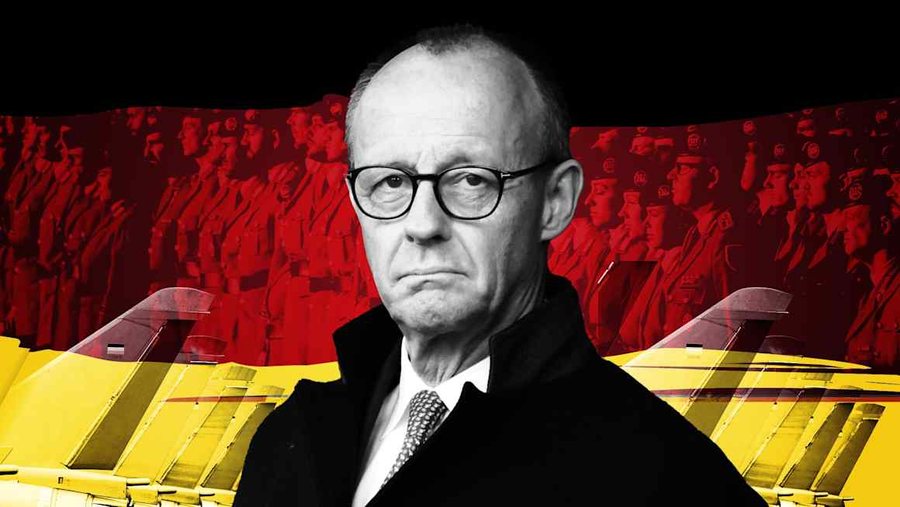
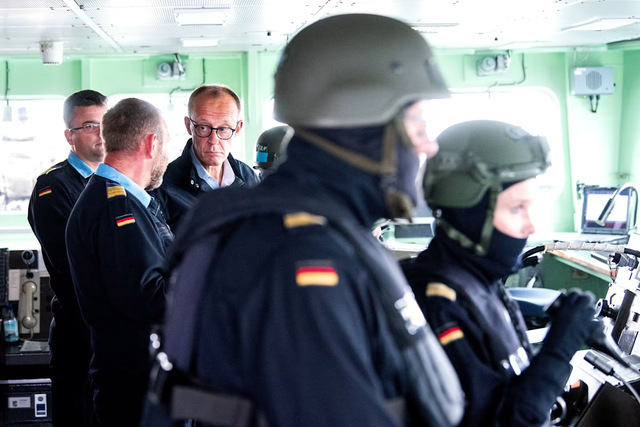
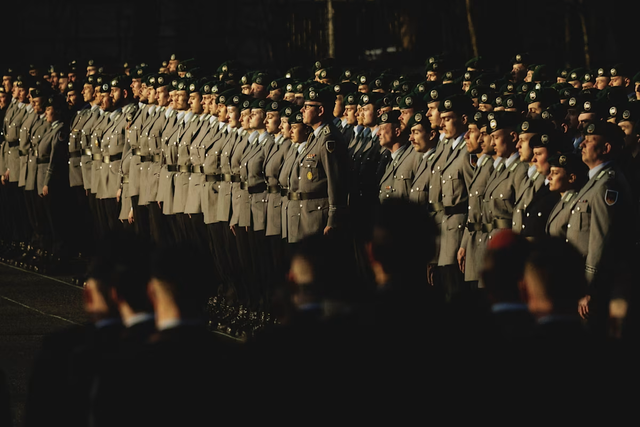
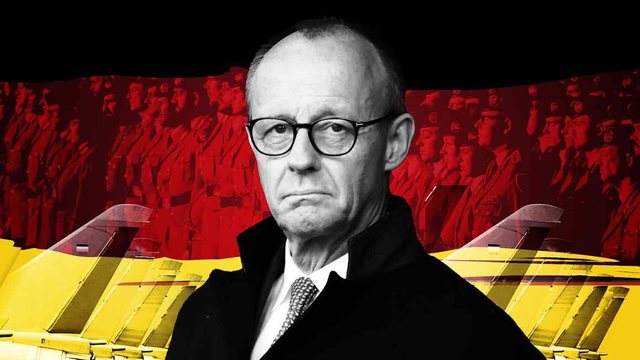
Germany's rapid increase in military spending represents one of the most significant strategic shifts in Europe since the end of the Cold War. Under Chancellor Friedrich Merz, Berlin is undertaking an ambitious rearmament program aimed at transforming the country into the continent's leading conventional power.
This development has been driven by external factors such as Russian aggression and uncertainty about American commitment, especially in the context of Donald Trump’s policies. However, as historian Liana Fix argues, this rapid rise in power could produce complex consequences for the balance of power in Europe and for the European project itself.
Rearmament as a necessity and the danger of involuntary hegemony
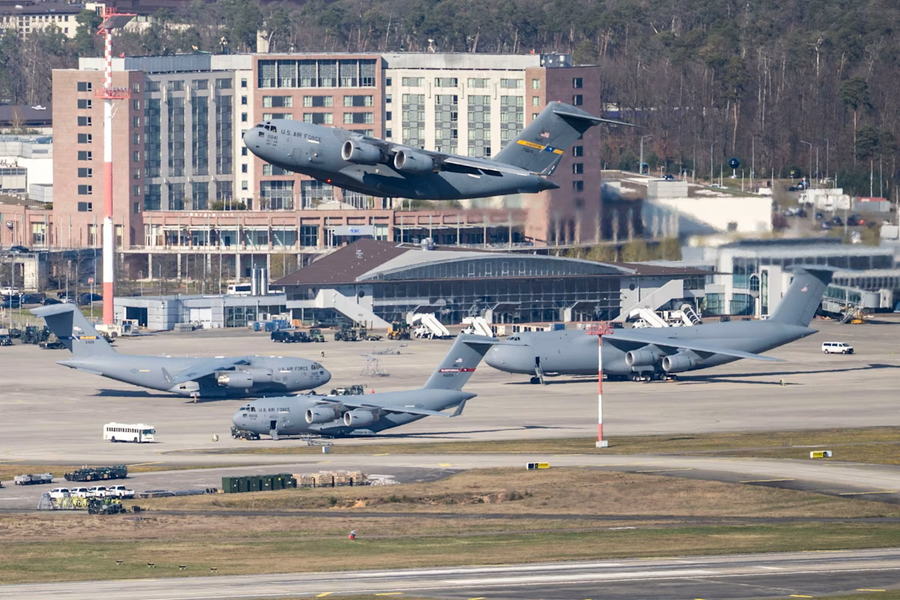
From Berlin’s perspective, rearmament is not a choice but a necessity. With a less predictable US and an aggressive Russia, Germany feels compelled to fill the gap in European security. Plans to significantly increase its defense budget and build the largest conventional army in Europe reflect this ambition. However, Fix’s analysis points to a paradox: the more Germany tries to contribute to collective security, the greater the risk that it will be perceived as a dominant power. This phenomenon of “involuntary hegemony” can create tensions, especially if strategic decisions are taken unilaterally or if economic benefits are concentrated mainly in Germany. Another worrying dimension is domestic politics: in certain scenarios, populist forces like the AfD could use this power in ways that challenge the European order.
European reactions, between the need for Germany and the fear of domination
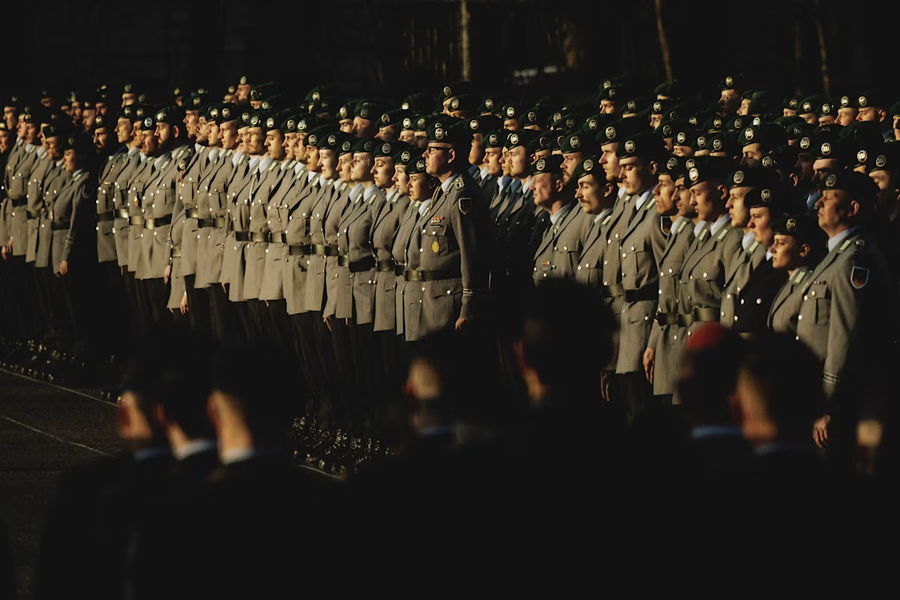
The reactions of European partners are complex and often contradictory. On the one hand, many countries consider German rearmament as necessary to face current threats. On the other hand, there is a clear concern about the long-term consequences. In France, the concern is no longer related to a direct military threat, but to the structural influence that Germany could have on defense policy and economics in Europe. The fear is that Berlin, through its financial power, could dictate the direction of European military development.
In Poland, the attitude is even more ambivalent. Poland wants a strong Germany to contain Russia, but its complicated history and geographical position make it wary of any form of German dominance. This creates a constant tension between the need for security and the fear of new inequalities in Europe. Essentially, these reactions show that although European integration has advanced, it has not completely eliminated historical distrust.
Industrial rivalry and the crisis of European defense cooperation
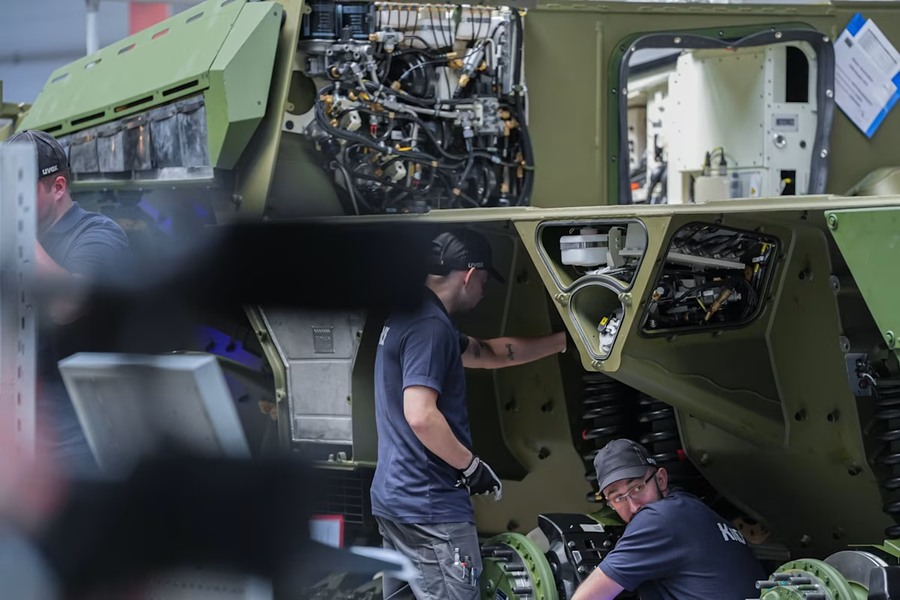
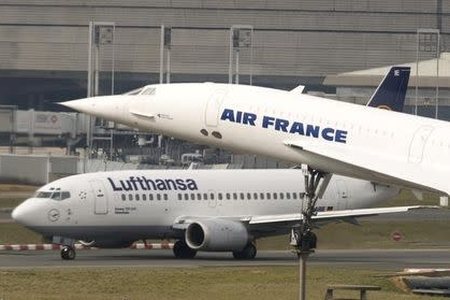
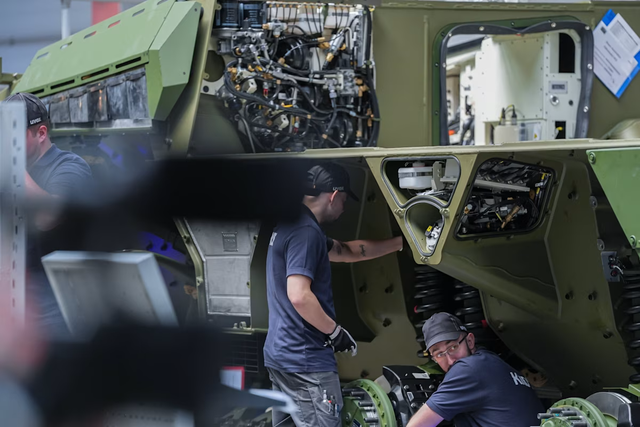
One of the most concrete dimensions of this tension is the defense industry. The large increase in the German budget risks changing the structure of the European arms market, strengthening German companies and creating strong competition with partners, especially France. Paris is concerned that Germany is pursuing a dual strategy: on the one hand, it promotes European cooperation, while on the other, it makes large investments in national projects and in American systems.
This is evident in the difficulties of joint projects such as the Franco-German combat air system, where disputes over control and benefit sharing have slowed progress. Also, initiatives such as the “Sky Shield” air defense system and investments in military satellites show a trend towards national autonomy, which conflicts with the idea of deep European integration. In this context, the debate on “strategic autonomy” becomes a battle not only for security, but also for economic and technological influence.
Internal limitations and challenges of real military transformation
Despite its grand ambitions, Germany faces significant internal constraints. Its post-World War II history has created a political culture wary of the use of military force. Although public opinion supports increased spending, there is a marked reluctance to take on a leading military role in Europe.
Moreover, bureaucratic and structural challenges may limit the effectiveness of this rearmament. A large part of the investment is destined for existing systems, raising doubts about Germany's ability to innovate and build a truly modern and flexible army. This creates a contrast between political rhetoric and operational reality.
Another important dimension is the debate on European cooperation in financing and procurement. While some actors call for more integration and joint financing, Berlin remains cautious due to domestic political constraints. This shows that the challenge is not only building military capabilities, but also political coordination within the EU.
Germany’s rearmament is an inevitable development in an increasingly uncertain international environment, but it carries with it profound consequences for Europe. The main challenge for Berlin is not just to increase its military power, but to manage the perception and influence of that power. To avoid tensions and preserve European unity, Germany must balance its ambitions with a strong commitment to cooperation and benefit-sharing. Ultimately, the success of this transformation will depend not only on military capabilities, but on the ability to build trust and lasting partnerships in Europe. / Adapted with abbreviations from the Financial Times


Lini një Përgjigje