


 Shkruar nga Pamfleti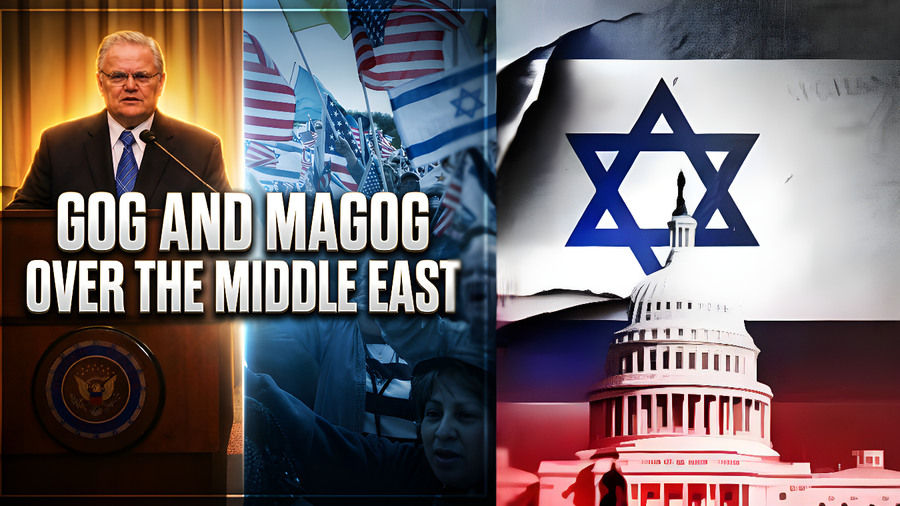
From Gog and Magog to modern Iran.
Ezekiel's biblical interpretations are used by influential religious networks in Washington.
Prophecy and geopolitics mix in the Middle East debate.
For a section of the American political elite, the conflict between Israel and Iran is not seen simply as a strategic confrontation. Some influential currents interpret it as part of a biblical prophecy written some 2,500 years ago. In the last two decades, this apocalyptic interpretation has increasingly entered discussions affecting United States foreign policy.
At the center of this phenomenon stands John Hagee , founder of the organization Christians United for Israel (CUFI), which today has over 10 million members and an annual budget exceeding $30 million . What makes this a special case for analysis is not its religious dimension, but its measurable influence on the legislative and executive processes of the United States.
The interpretation that Hagee and American premillennialists give to chapters 38-39 of the book of Ezekiel deserves special attention. According to this reading, the identification of modern states with biblical actors is straightforward: Russia as Magog, Iran as ancient Persia, Turkey and some African states as allies of the apocalyptic coalition that will attack Israel.
A less discussed element relates to the way some evangelical Christian currents in the United States interpret chapters 38-39 of the book of Ezekiel. In this reading, the Persia mentioned in the text is directly identified with modern Iran and placed at the center of a coalition that will confront Israel in a final conflict. This interpretation has been spread for decades by Christian Zionist networks and organizations such as CUFI. In this narrative, the military confrontation with Iran is treated not only as a regional security issue, but also as part of a prophetic scenario that must be realized.
The international academic community, including scholars from Harvard, Oxford, and the University of Sheffield, has consistently classified this text as apocalyptic literature typical of the Babylonian exile period. According to them, the "enemy from the north" represents a recurring literary topos, not a geopolitical prediction of the third millennium. However, in the halls of Congress, this delicate academic distinction is often lost under the weight of organized lobbying.
Përtej debatit teologjik, ajo që kërkon vëmendje të veçantë është infrastruktura financiare që e mban gjallë këtë narrativë. Sipas të dhënave të OpenSecrets, CUFI ka shpenzuar afro gjysmë milioni dollarë vetëm gjatë vitit 2025 për aktivitete lobimi. Në një hark kohor më të gjatë, shifrat flashin për mbi 100 milionë dollarë të investuara në ndikimin e politikës së jashtme amerikane.
Po aq domethënës është identifikimi i burimeve të financimit. Donatorët kryesorë të CUFI përfshijnë emra të spikatur nga industria e armëve dhe sektori i sigurisë; aktorë ekonomikë me interes të drejtpërdrejtë në vazhdimësinë e tensioneve ushtarake në Lindjen e Mesme.
Axhenda konkrete legjislative që ata promovojnë përfshin:
Miratimin e Iran Sanctions Enforcement Act, që shtrëngon masat ekonomike ndaj Teheranit;
Krijimin e fondit US-Israel Future of Warfare Act, me një buxhet vjetor prej 50 milionë dollarësh për bashkëpunim në teknologjitë ushtarake të avancuara.
Rasti i ish-sekretarit të shtetit Mike Pompeo ilustron më së miri shkallën e depërtimit të kësaj narrativë në nivelet më të larta të vendimmarrjes. Gjatë vizitës së tij në Izrael në mars 2019, Pompeo deklaroi se Presidenti Trump mund të ishte "dërguar nga Zoti si mbretëresha Ester" për të mbrojtur Izraelin nga kërcënimi iranian. Më herët, në një predikim të vitit 2016, ai i kishte bërë thirrje auditorit të tij të "jetë pjesë e betejës deri në ardhjen e Mbretërisë".
Ish-nënpresidenti Mike Pence, nga ana tjetër, ka qenë folës i rregullt në konferencat vjetore të CUFI-t, duke i dhënë legitimitet institucional kësaj lidhjeje midis besimit apokaliptik dhe politikës së jashtme.
Fenomeni nuk është kufizuar vetëm në elitën politike. Një raport i vitit 2026 nga The Intercept dokumenton mbi 200 ankesa të ushtarakëve amerikanë pranë organizatës Mbrojtja e Lirisë Fetare Ushtarake (MRFF) , ku komandantët e tyre përdorin retorikë të krishterë-zioniste për të justifikuar angazhimet ushtarake ndaj Iranit, duke i cilësuar ato si pjesë të një "beteje mesianike".
Teksti i Ezekielit 38-39 nuk përmban asnjë referencë ndaj shteteve moderne. Persia e lashtë nuk është Irani i sotëm, ashtu siç Babilonia nuk është Iraku kontemporan. Megjithatë, interpretimi që i bëhet këtij teksti nga grupet me ndikim në Uashington ka kaluar prej kohësh kufijtë e teologjisë për t'u bërë pjesë e dokumenteve të lobimit dhe debateve në Komitetin e Senatit për Marrëdhëniet me Jashtë.
Për analistët e marrëdhënieve ndërkombëtare, kjo përzierje mes besimit fetar, lobimit politik dhe interesave ekonomike krijon një dimension të ri në politikën globale. Konflikti në Lindjen e Mesme nuk trajtohet më vetëm si përballje mes shteteve dhe interesave strategjike, por në disa qarqe interpretohet edhe përmes një narrative eskatologjike që i jep konfliktit një kuptim historik dhe teologjik.
For American foreign policy, this reality presents a dual challenge: on the one hand, the need to preserve traditional alliances and strategic interests in the Middle East; on the other, confronting a narrative that sees the conflict not as a problem to be solved, but as a prerequisite for the fulfillment of a divinely predetermined scenario.
Meanwhile, millions of people continue to experience the concrete consequences of this delicate balance between trust, power, and interest. /Pamphlet





Lini një Përgjigje