


 Shkruar nga Stephen Biddle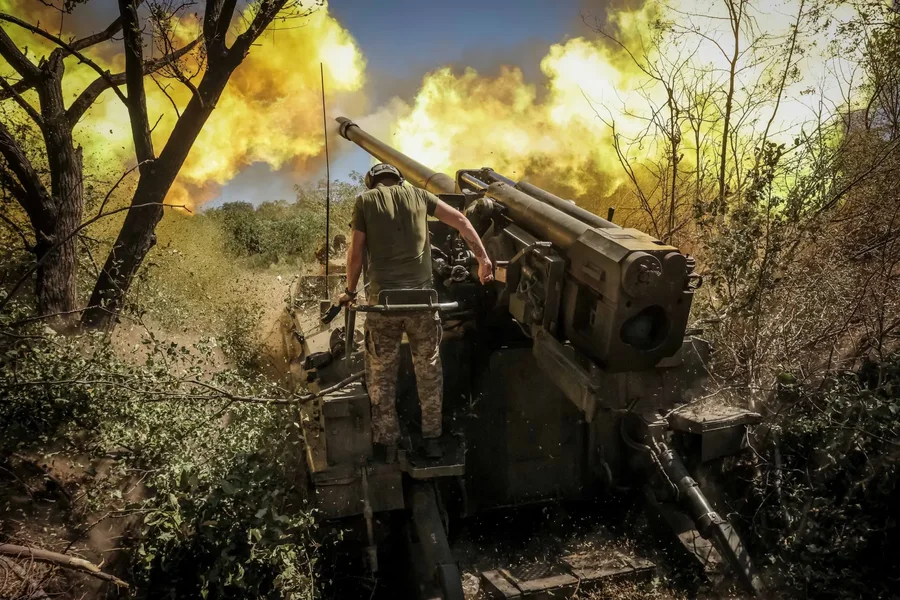
The recent advances of Ukrainian forces in the Russian region of Kursk show the difficulty of changing the direction of the war. Kiev attacked an extremely ill-prepared segment of the Russian front, which allowed Ukrainian forces to quickly gain ground.
Since Russia began its full-scale invasion of Ukraine in February 2022, the United States has provided Kiev with massive military aid. But this aid has long been subject to limitations. Some of them have to do with the type of equipment provided, such as restrictions on the transfer of long-range missiles or aircraft.
Others limit how US weapons can be used. Washington has designed most of these restrictions to reduce Ukraine's ability to strike targets far behind the Russian front, fearing that such strikes could lead to Moscow's escalation of the conflict.
In fact, this approach has been controversial. Ukrainian officials and critics abroad feel that the Biden administration is unreasonably exaggerating the risk of escalation, unnecessarily denying Kiev the military capabilities it so desperately needs.
But before making an assessment, it is important to analyze how valuable the attacks deep into Russian territory are for Ukraine, and how the prognosis of the war would change, in the event that the United States would remove its restrictions and Ukraine would to get the necessary weapons. From a strictly military perspective, restrictions never help.
Giving Ukraine the proper means and permission to conduct strikes deep into Russian territory would improve its combat power. But the change is unlikely to be decisive. To trigger it, Ukraine must combine these attacks with coordinated ground maneuvers on a scale that its forces have not been able to master until now.
Conversely, the benefits that Ukraine could derive from the additional capability to strike deeper into Russian territory may not be enough to turn the tide of the war. The conflict in Ukraine has been in a bloody stalemate for more than a year. Both sides have built extensive defensive lines, which have historically proved very difficult to breach.
Of course, it is still possible to conquer new territory, especially for the numerically superior Russians, but progress is slow and costly, in soldier lives and weaponry. Kiev needs much more than modest improvements in its ability to outflank Russian defenses and turn the current trench warfare into a war of maneuver in which ground can be gained quickly, at a tolerable cost, and in a large scale.
The recent advances of Ukrainian forces in the Russian region of Kursk show the difficulty of changing the direction of the war. Kiev attacked an extremely ill-prepared segment of the Russian front, which allowed Ukrainian forces to quickly gain ground. But now that Russian reserves have arrived, Ukrainian progress has slowed, and it seems unlikely that Ukraine will make any major progress.
The invasion of Russian territory, however modest, can strengthen Ukraine's position at the negotiating table, somewhat ease Russian pressure on Ukraine's defense in the Donbass, or politically weaken Russian President Vladimir Putin. But it is unlikely to significantly change the picture of the war as a whole.
In principle, there are several ways that a greater depth strike capability on the part of Ukraine could change the course of the war. Kiev must be able to strike remote logistical and command targets, Russian air or naval bases, ground force assembly areas, weapons factories or support infrastructure, the civilian energy industry, or centers of Russian political control, such as the Kremlin.
Hitting or even threatening to hit such targets would reduce the effectiveness of Russian strikes, weaken its defensive capability, make military action less sustainable in the long run, and increase the costs of war for Putin. and the Russian leadership.
But there are quite a few challenges on the horizon. First, depth charge systems are expensive. Free drones cannot fly hundreds of kilometers to hit distant targets. This capability requires larger, more sophisticated and more expensive weapons. US aid to Ukraine remains very limited.
A fleet of just 36 US F-16 fighter jets would use up 3 of the $60 billion allocated to Ukraine in the latest aid package. Second, when one side begins to acquire new capabilities, the other side has quickly responded by adapting.
Thus, although expensive weapons such as HIMARS missiles or Excalibur artillery shells were very effective when Ukrainian troops started using them, they lost most of their effectiveness within a few weeks because Russian forces adapted in a short time.
Së treti, kjo strategji nuk inkurajohet aq shumë nga të dhënat historike. Forcat aleate nisën fushata të mëdha bombardimesh për të shkatërruar qytetet dhe bazat industriale gjermane dhe japoneze në Luftën e Dytë Botërore. Po ashtu, forcat amerikane goditën në mënyrë të përsëritur qytetet dhe infrastrukturën e Koresë së Veriut gjatë Luftës Koreane, por edhe qytetet dhe infrastrukturën e Vietnamit të Veriut gjatë Luftës së Vietnamit.
Dhe këto sulme nuk e thyen kurrë vendosmërinë e vendit të shënjestruar. Bombardimet atomike të Hiroshimës dhe Nagasakit, mund të kenë qenë vendimtare në nxitjen e Japonisë për t’u dorëzuar në 1945-ën, por askush nuk po propozon sot një sulm bërthamor ndaj qyteteve ruse.
Fushatat më të fundit të bombardimeve, sigurisht në një shkallë më të vogël, kanë pasur disi më shumë sukses. SHBA-ja me aleatët e saj kryen operacione të tilla në Irak në vitet 1991 dhe 2003, Serbi në vitin 1999, në Afganistan në vitin 2001 dhe Libi në vitin 2011.
Rusia ka ndërmarrë një fushatë bombardimesh strategjike kundër qyteteve të Ukrainës dhe infrastrukturës energjetike që nga dimri i viteve 2022-2023. Por në asnjë nga këto raste, rezultatet nuk kanë qenë premtuese. Përkundrazi, sulmet e Rusisë ndaj sistemit energjetik të Ukrainës, e forcuan vullnetin e ukrainasve për të luftuar.
Edhe bombardimet në Afganistan, Irak dhe Libi, nuk arritën të nxisnin lëshime. Dhe u deshën kombinime të sinkronizuara të luftimeve ajrore me ato tokësore për të siguruar përmbushjen e synimeve të Perëndimit. Provat janë të përziera në rastin e Serbisë në vitin 1999.
Udhëheqësi serb Slobodan Milosevic e pranoi shumicën e kërkesave të NATO-s pas një fushate një mujore të bombardimeve të NATO-s, por është e vështirë të ndash efektet e bombardimeve nga vitet e sanksioneve, që i kishin shkaktuar ekonomisë serbe një dëm më të madh sesa.
Pra dekadat e historisë, ofrojnë pak bazë për të besuar se Ukraina mund ta thyejë vullnetin e Rusisë për të luftuar përmes një fushate bombardimesh modeste. Disa analistë, mendojnë se rezultati më i dobishëm i bombardimeve strategjike, është aftësia e tyre për të devijuar përpjekjet ushtarake të armikut nga lufta tokësore në mbrojtjen ajrore, apo aftësia e tij për të shkatërruar prodhimin ushtarak të armikut, duke dobësuar forcat e tij në terren.
Por të bësh njërën nga këto në një shkallë mjaft të gjerë, është një sipërmarrje shumë e madhe. Gjatë Luftës së Dytë Botërore, fuqitë aleate përdorën më shumë se 710.000 fluturime avionësh për të hedhur mbi 2 milionë ton bomba në Gjermani gjatë 3 viteve e gjysmë, teksa prodhimi gjerman i armëve u rrit ende midis janarit 1942 dhe korrikut 1944.
Only during the last months of the war, after the German air force had been largely destroyed, did such a campaign succeed in crippling the German ground forces. Even using all modern technology, no credible transfer of Western weapons today would give Ukraine the ability to conduct a major bombing campaign over Russia.
Even if it were to happen, Russia has access to foreign weapons and equipment from countries like North Korea and China. Of course, carrying out more extensive attacks in Russia would help Ukraine. Damage to factories or infrastructure inside Russia can help boost Ukrainian morale, as happened with a small US air raid against Tokyo in 1942.
But this capability will not be able to transform the military situation on the ground. Therefore, Kiev's partners must now ask themselves whether the modest military gains are worth the risk of escalating the conflict.
Note: Stephen Biddle, Professor of International and Public Affairs at Columbia University, USA. He is the author of the book "Military Power: Explaining Victory and Defeat in Modern Wars"./ Adapted from "Pamphlet" , Taken from "Foreign Affairs"





Lini një Përgjigje