


 Shkruar nga Pamfleti
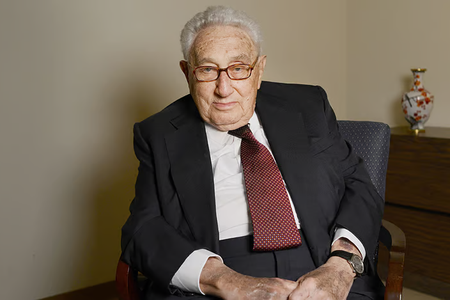
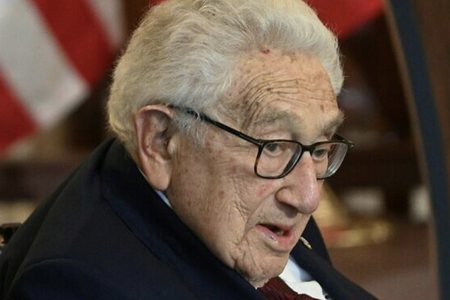
The greatest diplomat of the 20th century, Henry Kissinger, died on the evening of November 29, 2023, at the age of 100. Born in Germany, he arrived in the US in 1938, as Secretary of State he was the architect of the 'merger' with China. Received the Nobel Peace Prize in 1973. Below is the historic interview with Oriana Fallacin, conducted in 1972.
interview
This man who was very famous, very important, very lucky, who was called Superman, Superstar and who created paradoxical alliances, struck impossible deals, kept the world in suspense as if the world was his Harvard class. This extraordinary, inexplicable, ultimately absurd character, who met with Mao Zedong when he wanted, entered the Kremlin when he pleased, woke the president of the United States and entered his room when he saw fit. This bespectacled fifty-year-old, before whom James Bond became an invention without spice. He didn't shoot, he didn't fight, he didn't jump out of moving cars like James Bond, but he advocated wars, he ended wars, he claimed to change our destiny and maybe he did. But really, who was this Henry Kissinger? [...]
His biography is the subject of study bordering on cult, and everyone knows that he was born in Furth, Germany, in 1923, the son of Luis Kissinger, a high school teacher, and Paula Kissinger, a homemaker. It is known that his family is Jewish, that fourteen of his relatives died in concentration camps, that together with his father, mother and brother Walter he fled in 1938 to London and then to New York, that at that time he was fifteen years old and his name was Heinz, not Henry, and he didn't know a word of English. But he learned it very early. While his father worked as a clerk in a post office and his mother opened a pastry shop, he studied well enough to be admitted to Harvard and graduated with honors with a thesis on Spengler, Toynbee and Kant, then became professor there.
In fact, his passion for politics blossomed at Krefeld: a passion he would indulge by becoming an adviser to Kennedy, Johnson, and then an assistant to Nixon. It was no coincidence that you could consider him the second most powerful man in America. Although some argued that it was much more, as indicated by the joke circulating in Washington at the time of my interview: «Think what would happen if Kissinger died. Richard Nixon would become president of the United States...".
So the man remained a mystery, as did his unparalleled success. And one of the reasons for this mystery was that approaching him, understanding him was very difficult: he did not give individual interviews, he spoke only at press conferences called by the presidency. I still don't understand why he agreed to meet me, only three days after he received a letter without illusions from me.
- Let's talk about the war, Dr. Kissinger. You're not a pacifist, are you?
No, I don't think so. While I respect true pacifists, I don't agree with any pacifists and especially semi-pacifists: you know, those who are pacifists on one side and anything but pacifists on the other. The only pacifists I am willing to talk to are those who fully tolerate the consequences of nonviolence. But I also willingly speak to them only to tell them that they will be crushed by the will of the stronger and that their pacifism can only lead them to terrible suffering. War is not an abstraction, it is something that depends on conditions. The war against Hitler, for example, was necessary. By this I do not mean that war is in itself necessary, that nations must wage it in order to preserve their virtue. I mean there are principles for which nations must be prepared to fight.
-And what do you have to tell me about the war in Vietnam, Dr. Kissinger? You were never against the war in Vietnam, I guess.
How can I? I never had the position I have today... No, I was never against the war in Vietnam.
-But don't you think Schlesinger is right when he says that the war in Vietnam only succeeded in proving that half a million Americans with all their technology couldn't defeat poorly armed men in black pajamas?
This is another problem. If it is a problem that the war in Vietnam was necessary, a just war, instead of... Such judgments depend on the position one takes when the country is already involved in the war and all that remains is to devise methods to get it out. . Ultimately, my role and ours was to reduce more and more the degree to which America was involved in the war and then to end the war. In the end, history will tell who did more: those who worked simply by criticizing or we who tried to reduce the war and then ended it. Yes, judgment belongs to posterity. When a country is involved in a war it is not enough to say: it must end. We must end it wisely. And that is very different from saying that going into that war was right.
- Power is always seductive. Doctor Kissinger, how much does power fascinate you? Try to be honest.
Unë do të jem. E shihni, kur e keni pushtetin në duart tuaja dhe kur e keni në duart tuaja për një periudhë të gjatë kohore, përfundoni duke e konsideruar atë si diçka që është e juaja. Jam i sigurt se kur të largohem nga ky vend, do të ndjej mungesën e pushtetit. Megjithatë, pushteti si qëllim në vetvete nuk ka tërheqje për mua. Unë nuk zgjohem çdo mëngjes duke thënë ëoë, a nuk është e jashtëzakonshme që mund të kem një avion në dispozicion, që një makinë me shofer më pret në derën time? Por kush do ta kishte menduar se do të ishte e mundur? Jo, nuk më intereson një diskutim i tillë”.
-Sepse në disa momente, duke e dëgjuar, njeriu nuk pyet se sa shumë ndikoi tek presidenti i Shteteve të Bashkuara, por sa shumë ndikoi Makiaveli tek ajo.
Ne asnjë mënyrë. Ka shumë pak Makiaveli që mund të pranohet ose përdoret në botën bashkëkohore. Tek Makiaveli më duket interesante vetëm mënyra e tij e shqyrtimit të vullnetit të princit. Interesante, por jo e mjaftueshme për të ndikuar tek unë. Nëse doni të dini se kush ka ndikuar më shumë tek unë, ju përgjigjem me emrat e dy filozofëve: Spinoza dhe Kant. Pra, është kurioze që ju zgjidhni të më lidhni me Makiavelin. Njerëzit më lidhin me emrin Metternich. E cila është krejtësisht fëminore. Shkrova vetëm një libër për Metternich, i cili do të ishte fillimi i një serie të gjatë librash mbi ndërtimin dhe shpërbërjen e rendit ndërkombëtar në shekullin e nëntëmbëdhjetë. Ishte një serial që supozohej të përfundonte me Luftën e Parë Botërore. Kjo eshte e gjitha. Nuk mund të ketë asgjë të përbashkët mes Metternich dhe meje. Ai ishte kancelar dhe ministër i Jashtëm në një kohë kur, nga qendra e Evropës, u deshën tre javë për të shkuar nga një kontinent në tjetrin. Ai ishte kancelar dhe ministër i Jashtëm në një periudhë kur luftërat bëheshin nga ushtarë profesionistë dhe diplomacia ishte në duart e aristokratëve. Si mund të krahasohet kjo me botën e sotme, një botë ku nuk ka grup homogjen liderësh, nuk ka situatë të brendshme homogjene, nuk ka realitet kulturor homogjen?
-Doktor Kissinger, si e shpjegoni faktin që jeni pothuajse më i famshëm dhe më popullor se një president? Keni një tezë për këtë çështje?
Po, por nuk do t'a them. Sepse nuk përkon me tezën e shumicës. Teza e inteligjencës për shembull. Inteligjenca nuk është aq e rëndësishme në ushtrimin e pushtetit dhe, shpesh, as që nevojitet. Ashtu si një kryetar shteti, një djalë që bën punën time nuk ka nevojë të jetë shumë i zgjuar. Teza ime është krejtësisht e ndryshme, por, po e përsëris, nuk do t'ua them. Pse duhet, ndërkohë që jam në mes të punës? Më tregoni mendimin tuaj. Jam i sigurt që keni edhe një tezë për arsyet e popullaritetit tim”.
-Nuk jam i sigurt, doktor Kissinger. Po e kërkoj, një tezë, përmes kësaj interviste. Dhe nuk e gjej dot. Unë mendoj se suksesi është në themel të të gjithave. Dua të them: si një shahist, dy ose tre lëvizje shkuan mirë. Kina para së gjithash. Njerëzve u pëlqejnë ata që luajnë shah dhe hanë mbretin.
Po, Kina ishte një element shumë i rëndësishëm në mekanikën e suksesit tim. E megjithatë kjo nuk është pika kryesore. Çështja kryesore... Por po, do ta them. Aq sa më intereson. Çështja kryesore lind nga fakti se unë kam vepruar gjithmonë vetëm. Amerikanëve u pëlqen kjo jashtëzakonisht. Amerikanëve u pëlqen kauboji që drejton karvanin që ecën përpara vetëm me kalin e tij, kaubojin që hyn në qytet, fshat krejt i vetëm, me kalin e tij dhe kaq. Ndoshta edhe pa revole sepse nuk gjuan. Ai thjesht vepron: shkon në vendin e duhur në kohën e duhur.
-E kuptoj. Ju e shihni veten si një lloj Henri Fonda i paarmatosur i gatshëm për të luftuar për ideale të ndershme. I vetmuar, i guximshëm...
Jo domosdoshmërisht i guximshëm. Në fakt, ky kauboj nuk ka nevojë të jetë i guximshëm. Është e mjaftueshme dhe e dobishme që ai të jetë vetëm: t'u tregojë të tjerëve se ai hyn në qytet dhe bën gjithçka vetëm. Ky personazh romantik, mahnitës më përshtatet pikërisht sepse të qenit vetëm ka qenë gjithmonë pjesë e stilit tim ose nëse preferoni, teknikës sime. Së bashku me pavarësinë. Oh, kjo është shumë e rëndësishme për mua. Së fundi, besimi. Unë jam gjithmonë i bindur se duhet të bëj atë që bëj. Dhe njerëzit e ndjejnë atë, ata e besojnë atë. Dhe dua që të më besoni: kur lëviz apo fiton dikë, nuk duhet ta mashtrosh. As thjesht nuk mund ta llogarisësh. Disa besojnë se unë planifikoj me kujdes se çfarë pasojash do të ketë iniciativa apo përpjekja ime në publik. Ata besojnë se një shqetësim i tillë nuk më largohet nga mendja. Përkundrazi, pasojat e asaj që bëj, dua të them gjykimin e publikut, nuk më kanë torturuar kurrë. Unë nuk kërkoj popullaritet, nuk kërkoj popullaritet. Në fakt, nëse vërtet dëshironi ta dini, nuk më intereson popullariteti. Nuk kam aspak frikë të humbas audiencën, mund t'ia lejoj vetes të them atë që mendoj. Unë jam duke aluduar për vërtetësinë që është te mua. Nëse do ta lija veten të shqetësohesha nga reagimet e publikut, nëse do të lëvizja vetëm i shtyrë nga një teknikë e llogaritur, nuk do të arrija asgjë. Shikoni aktorët: ata vërtet të mirët nuk përdorin vetëm teknikën. Ata veprojnë në të njëjtën kohë duke ndjekur një teknikë dhe besimin e tyre. Ata janë të vërtetë si unë. Nuk po them se kjo duhet të zgjasë përgjithmonë. Në të vërtetë, mund të avullojë aq shpejt sa erdhi. Megjithatë, për momentin është aty.
-A po më thua se je një njeri spontan, doktor Kissinger? Nëse e lë mënjanë Makiavelin, personazhi i parë me të cilin më vjen natyrshëm ta lidh atë është ai i një matematikani të ftohtë, i kontrolluar deri në agoni. Mund të kem gabim, por ju jeni një njeri shumë i ftohtë, doktor Kissinger.
In tactics, not in strategy. In fact, I believe more in human relationships than in ideas. I use ideas, but I need human relationships, as I have shown in my work. What happened to me, after all, didn't happen to me by accident? I was a completely unknown professor. How could I say to myself, "Now I will maneuver things to become internationally famous"? It would be pure madness. I wanted to be where things happened, yes, but I never paid a price to be there. I have never made concessions. I have always let myself be guided by spontaneous decisions. One can say: then it happened because it had to happen. We always say this when things have happened. This is never said of things that do not happen: the history of things that did not happen is never written. In a way, though, I'm a fatalist. I believe in fate. I am convinced, yes, that we must fight to achieve a goal. But I also believe that there are limits to the struggle one can go to in order to achieve a goal.
- I understand, Dr. Kissinger. I've never interviewed someone who avoids precise questions and definitions like she does. Are you shy, Dr. Kissinger?
Yes. Enough. But on the other hand I think I'm very balanced. You see, there are those who paint me as a troubled, mysterious character and those who paint me as an almost jovial guy who is always smiling, always laughing. Both images are incorrect. I am neither one nor the other. I'm... I won't tell you what I am. I will never tell anyone. / Adapted "Pamphlet" from "Corriere Della Sera".
Oriana Fallaci's interview with Kissinger was published in "l'Europeo" on November 16, 1972.


Lini një Përgjigje