


 Shkruar nga Anna Paola Lacatena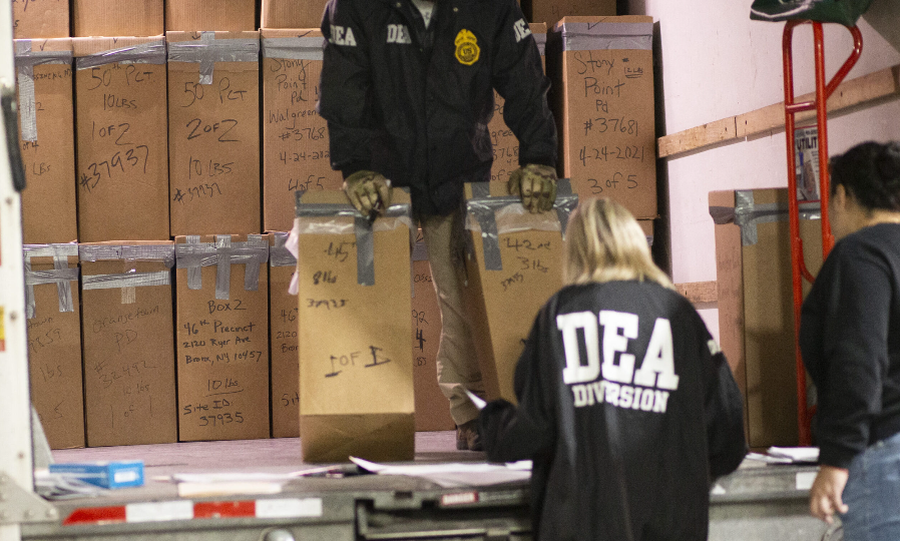
US authorities say that in China alone there may be up to 160,000 legal and illegal chemical companies that produce the raw material for all synthetic drugs. They cooperate with Mexican cartels but also with all major organized crime organizations.
The center of gravity of the global synthetic drug production system is increasingly oriented towards China and India. It is from these two large countries that organized crime obtains the raw material from which it then produces various types of drugs.
We are talking about chemicals that are not necessarily related to the production of illegal psychoactive substances. Because legal products are also made from them, such as medicines, plastics, cosmetics...
Therefore, organized crime very rarely takes on the production of these substances - which would overload its production infrastructure - preferring to obtain supplies from the legal market, and then use them for its own interests.
According to the Drug Enforcement Agency, DEA, China and India are at the top of the list of countries producing raw materials in general, and specifically those necessary for the processing of the drug fentanyl according to the Siegfried method, namely 4-aniline-N-phenethylpiperidine (ANPP) and N-phenethyl-4-piperidone (NPP), in addition to substances with a similar structure to the desired product, such as butyfentanyl.
The methods of concealing and transporting these products include increasingly sophisticated techniques, ranging from the use of US-based distributors, false labels and invoices, or fraudulent postage and packaging.
Manufacturers regularly communicate with potential customers on encrypted platforms and accept payments in cryptocurrencies, thus reducing the risk of detection by authorities.
The Mexican Sinaloa and Jalisco Nueva Generación (CJNG) cartels, the two largest producers and traffickers of fentanyl in the world, are supplied directly by Chinese and Indian suppliers through a complex network of intermediaries, with the aim of masking any potential trace useful to international investigators.
DEA Insight Crime, a two-year investigation, identified at least 188 Chinese chemical companies that produce and trade raw materials for the production of narcotics. 63 percent of them are concentrated in Hebei and Hubei provinces, along with Guangdong and Zhejiang, which are among the Chinese provinces with the highest per capita incomes.
Vetëm në qytetin Shenzhen në rajonin Guangdong, u numëruan në vitin 2015 më shumë miliarderë se sa në të gjithë Italinë. Në qershorin e vitit 2022, qeveria qendrore në Pekin, kreu operacionin “100 Ditët”, për të goditur bandat dhe rrjetet e krimit të organizuar në Hebei pas një vale incidentesh të dhunshme.
Ministria e Sigurisë Publike, arrestoi më shumë se 27.000 persona në këtë provincë, regjistroi 297 krime të lidhura me drogën, shkatërroi 41 banda lokale dhe nisi hetimin ndaj 15 zyrtarëve publikë të akuzuar për mbrojtjen e këtyre organizatave kriminale, raportoi Global Times, agjencia kineze e lajmeve në gjuhën angleze.
Gjatë dekadës së fundit, industria biofarmaceutike në Kinë, ka përjetuar një rritje të jashtëzakonshme. Parashikimet flasin për një rritje të mundshme nga 345.7 miliardë juan (47.60 miliardë dollarë amerikanë) në vitin 2020, në 811.6 miliardë juan (111.76 miliardë dollarë amerikanë) këtë vit.
Pra një rritje me 135 për qind brenda 5 vjetësh. Në mënyrë të ngjashme, kapitalizimi i tregut të kompanive biofarmaceutike kineze u rrit nga 1 miliard dollarë në vitin 2016, në mbi 200 miliardë dollarë në vitin 2020.
Gjatë viteve 2010 - 2020, në Kinë u hapën 141 kompani të reja farmaceutike dhe bioteknologjike, dyfishi në krahasim me një dekadë me herët, duke përfituar nga investimet ndërkombëtare, përfshirë ato nga Shtetet e Bashkuara, të cilat nuk janë imune ndaj rreziqeve të lidhura me konflikte gjeopolitike të mundshme.
Edhe pse nuk është e mundur të ndalohet tregtimi i këtyre produkteve, ato prapëseprapë mund të japin të dhëna të rëndësishme për devijimin e destinacionit të tyre, duke i çuar hetuesit në zinxhirin global të furnizimit të fentanilit dhe prodhimit të drogave të tjera të paligjshme.
Në Republikën Popullore të Kinës, ekzistojnë disa rregullore mbi këto lëndët kimikë. Këtu përfshihet Rregullorja për Administrimin e Pararendësve Kimikë e miratuar në vitin 2005 nga Këshilli Shtetëror ; Dispozitat mbi Administrimin e Importit dhe Eksportit të Kimikateve Pararendëse, Administrimi i Kontrollit Ndërkombëtar mbi Importin dhe Eksportin e Kimikateve Pararendëse (2006) etj.
Këto rregullore i klasifikojnë kimikatet në 3 kategori: substanca që paraqesin shqetësim shumë të madh, pararendëse, dhe lëndë të tjera të para. Megjithatë, rregulloret mbeten të dobëta në lidhje me kimikatet pararendëse të drogës fentanil.
Zbatimi i këtyre rregullave mbetet i vështirë për t'u monitoruar, veçanërisht në nivel lokal. Mjafton të thuhet, se vetëm në Kinë mund të ketë deri në 160.000 kompani kimike që operojnë ligjërisht ose ilegalisht. Zbatimi i ligjeve ekzistuese për këta sektorë, dëmtohet shpesh nga korrupsioni, i cili përbën një pengesë, veçanërisht për monitorimin e veprimeve të industrialistëve të mëdhenj.
Therefore, international cooperation is needed, as well as local policies that do not target consumers, but rather protect them from the risks and harms of consumption. Drug trafficking cannot be stopped with unrealistic policies based solely on harsh penalties.
Global drug-related concerns require complex and multi-directional measures. Not understanding or ignoring all these factors means assuming a complicity, which is perhaps indirect, but certainly no less culpable, than those who are unwilling to accept the banal and ideological narratives on pathological drug consumption and addiction./ Taken from “Affari Internazionali”, adapted by “Pamfleti”
*Note: Anna Paola Lacatena, sociologist at the ASL Department of Pathological Addictions in Taranto, Italy.







Lini një Përgjigje