


 Shkruar nga Pamfleti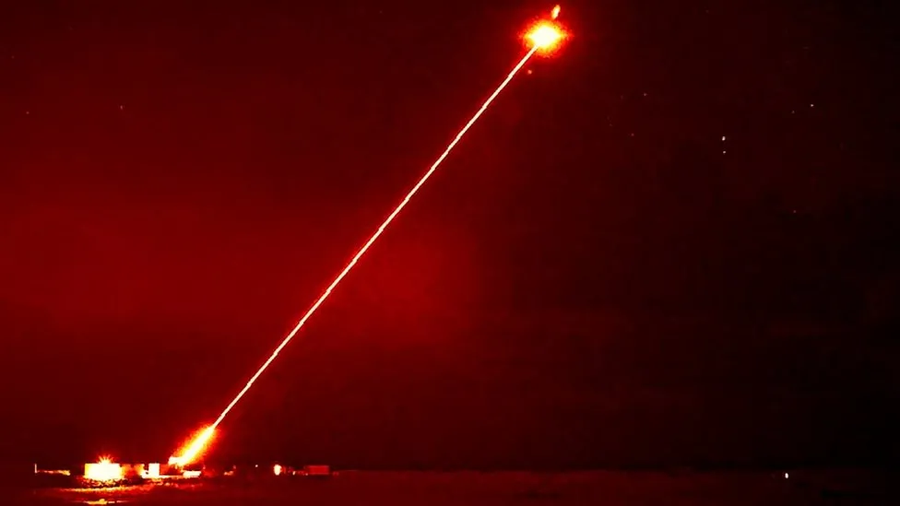
Britain's Ministry of Defense said it had "successfully" tested high-powered weapon-style laser beams, hitting an aerial target in what officials called a "first-time test".
They said the tests pave the way for the use of this deadly new weapon against drones as a lower-cost and less noisy alternative to missiles.
The development conforms to earlier rumors that the armies possess such silent and devastating weapons, which are suspected to have been used in previous conflicts.
British officials said the DragonFire laser has the accuracy to hit a coin from 1 km away, according to the defense ministry.
They added that the trials at the Hebrides Range camp in Scotland were a "major step" in bringing this technology into service.
Defense Minister Grant Shapps said the technology "reduces reliance on costly munitions" and also reduces the risk of "collateral" damage during a strike, referring to the destruction of people or objects that are not part of the target.
Although laser technology sounds like something out of fantasy movies, the US Navy has several such systems installed on its warships.
Similar developments have been reported by China's navy, but at no time have the armies admitted that they have used them for attacks on cities, people or other areas.
World militaries have so far accepted the use of lasers to shoot down drones, such as those in the conflict with rebels in Yemen near the Red Sea.
The British Ministry of Defense said that a DragonFire strike for 10 seconds consumes only a small amount of electricity and is a relatively cheap means of attack.
Laser direct energy weapons (LDEW) use an intense beam beam on their target, but their range and power is classified information, writes the BBC network.
Officials add that the creation of laser weapons follows the expansion of drone attacks and the need to neutralize them.







Lini një Përgjigje