


 Shkruar nga Paolo Rossetti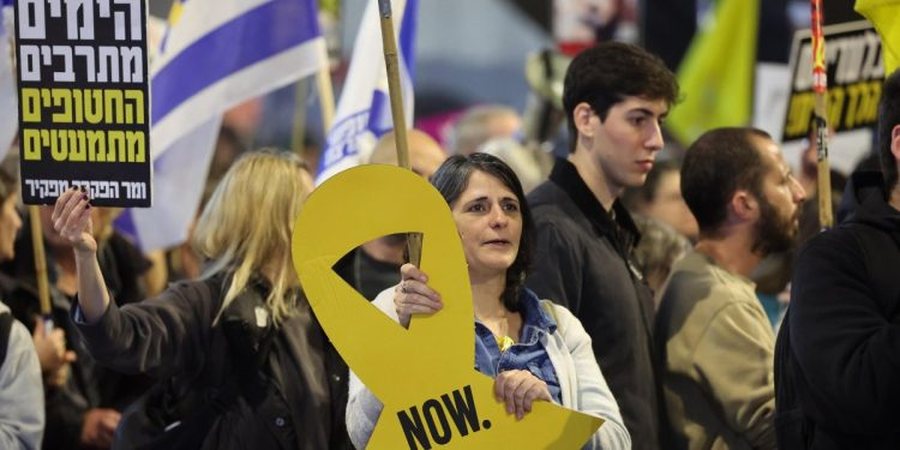
The call-up of reservists has put families and businesses in Israel in serious trouble. Their stories reveal the truth about the war that the media does not show. There are desertions, draft evasion, and crises in many sectors of the economy...
Many reservists refuse to obey the call to enlist in the army. Others take advantage of dual citizenship to flee the country. Israel's support for the war is no longer as strong, and among soldiers, there is a growing rejection of a conflict that, due to the violence it causes and the consequences on the civilian population, is also leaving its mark on their lives and those of their families.
Filippo Landi, former RAI correspondent in Jerusalem and TG1 correspondent Esteri, says these are challenges that Israel will have to face sooner or later. Not least because many sectors of the economy have suffered a significant slowdown and replacing people involved in the Israeli army, the IDF, is increasingly difficult, despite the large aid from the US, which is also being used to pay the salaries of reservists who take leave from work to go to Gaza.
-The well-known Israeli daily, Haaretz, claims that Israeli society is paying a high price for sending reservists to the front: families destroyed, companies in chaos, suicides among soldiers. Is it an underestimated aspect of war?
The conflict following the attacks of October 7, 2023, brought about the emergence of two types of unpleasant reactions. When the Ministry of Defense increased the number of reservists, especially among those who had already participated in military operations in Gaza, there was an exponential increase in those who did not respond to the call. The number was so high that it was not possible to use mere imposition, constituting a political problem.
-In what other ways has the refusal to return to the front been manifested?
Obtaining a second passport has increased the opportunity for Israelis, especially young people, to leave the country. An increasing number of young men have fled Israel with the consent of their families, even for long periods after completing their initial service as reservists.
In some cases, this figure has reached half a million. Families took special care to give their children a second citizenship, both to avoid the ongoing war, but also because a part of the citizens does not like the way the civil and political culture of the Israeli state is changing. So today we have a kind of anti-clerical diaspora against Jewish fundamentalism.
-Where have they gone?
The destinations are varied: the USA, Australia, Portugal or several Asian countries. A unique exodus that could expand further.
-Si lindi distancimi nga lufta?
Midis tyre ka ushtarë që janë mburrur për atë që kanë bërë, dhe e kanë treguar veten me foto dhe video, ndërsa tallen me të vdekurit apo me njerëzit e dëbuar nga shtëpitë e tyre. Përveç kësaj, një numër gjithnjë e në rritje ushtarësh që kthehen tek familjet e tyre, kanë treguar se çfarë ka ndodhur në Gaza.
Dëshmi të tilla okulare, e kanë sabotuar censurën informative që ekziston në Izrael si në aspektin e imazheve ashtu edhe të përmbajtjes. Një organizatë e ish-ushtarakëve të rinj, “Thyerja e Heshtjes”, mblodhi kaq shumë dëshmi nga personeli ushtarak, saqë udhëheqësit e organizatës u arrestuan, u burgosën dhe më pas u liruan.
-A është vërtet kaq i kontrolluar informacioni në Izrael?
Fotot e para të fëmijëve të vrarë në Gaza, u publikuan nga të afërmit e pengjeve. Ata e kuptuan se shkelja e armëpushimit, që parashikonte lirimin e njerëzve të rrëmbyer më 7 tetor në këmbim të përfundimit të luftës, vinte në pikëpyetje të ardhmen dhe jetën e të dashurve të tyre.
Ndërkohë, klasa politike, jo vetëm partitë e krahut të djathtë, por një numër gjithnjë e në rritje i anëtarëve të partisë Likud të Netanyahut, kanë filluar të përsërisin se s’ka nevojë për mëshirë, se vdekja e popullsisë civile të Gazës nga uria është një mjet i dobishëm dhe i vlefshëm. Dhe është e jashtëzakonshme hapësira që u jepet këtyre njerëzve në media.
-Si po ndikon konkretisht lufta tek familjet dhe bizneset?
Rezervistët marrin një pagesë të llogaritur në bazë të të ardhurave të tyre. Ka një fond të madh përmes së cilit shteti u jap atyre paga, sepse përndryshe do të mbeteshin pa të ardhura, pasi kompanitë ku punojnë i konsiderojmë me pushime.
Irzaeli e përballon falë mbështetjes amerikane, si ekonomike ashtu edhe ushtarake. Sipas një marrëveshjeje të bërë nga Bush, të mbajtur në fuqi nga Obama dhe pasardhësit e tij, SHBA-të ofrojnë më shumë se 3 miliardë dollarë në vit. Pa llogaritur financimin e jashtëzakonshëm. Nën administratën Trump, ndihma ka arritur në 4 miliardë dollarë në vit.
-A nuk mjafton kjo për të mbështetur ekonominë izraelite?
Në sektorin e bujqësisë, stafi po zëvendësohet me punëtorë aziatikë. Por shumë prej tyre u larguan nga frika e luftës. Por në sektorë të tjerë, si teknologjia e lartë, ekziston një fuqi punëtore që është e vështirë të zëvendësohet. Po ashtu, ka vështirësi në sektorin e ndërtimit, ku shumica e punëtorëve ishin palestinezë. Para luftës, ky sektor kishte shënuar një rritje rekord. Sot një pjesë e ekonomisë është ndalur. Por nuk mbaron me kaq.
-Çfarë pengesash të tjera duhet të kapërcejë Izraeli nga këndvështrimi ekonomik?
Nga këndvështrimi tregtar, bojkoti ndaj Izrael nuk është më një fenomen i kufizuar. Aq sa për disa produkte të destinuara edhe për tregun italian, u vendos të hiqej etiketa që të mos zbulohej origjina. Kjo bëhej për shembull për hurmat e prodhuara në territoret palestineze, në kolonitë e Luginës së Jordanit.
This behavior violates trade rules, also because it was unsuccessful, as those products were withdrawn from the market. These are issues that Israel must take into consideration because they could affect the continuation of the war. /Adapted from “Pamfleti” by “Il Sussidiario”


Lini një Përgjigje