


 Shkruar nga Pamfleti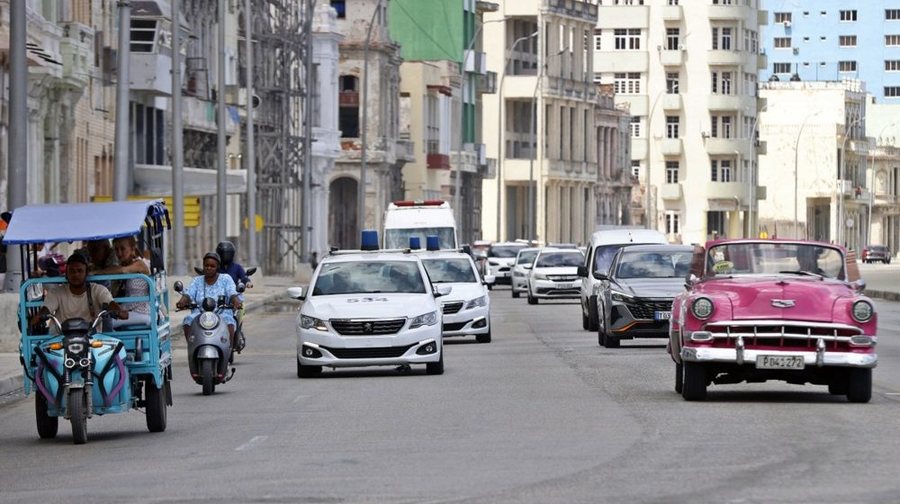
Despite the US oil embargo and long power outages, life in Havana continues seemingly as normal. However, the situation could get worse.
Following the United States' attack on Venezuela and the kidnapping of President Nicolás Maduro, Caracas cut off oil supplies to Cuba, its main ally. In late January, US President Donald Trump declared Cuba a "special threat to US national security" and threatened tariffs on any country that continued to supply the island with oil or petroleum products.
Cuban President Miguel Díaz-Canel called the measures “criminal and genocidal,” but declared that Cuba is ready for dialogue with the United States “without preconditions.” He denied that the regime is on the verge of collapse and announced a plan to strengthen the energy sector.
On the ground, citizens express concern. Gasoline is only distributed in exchange for foreign currency and after long queues. Power outages, lasting 10 to 15 hours a day, have become common even in the capital. Currently, the country produces only about 40% of the energy it needs.
According to Bert Hofman, a researcher at the German GIGA Institute based in Havana, the country is living in a “crisis normality.” “Life goes on, albeit with less fuel and more power outages. Everything is gradually getting worse,” he said, adding that the normality is fragile, as Cuba has no clear prospect of a stable oil supply.



Lini një Përgjigje