


 Shkruar nga Pamfleti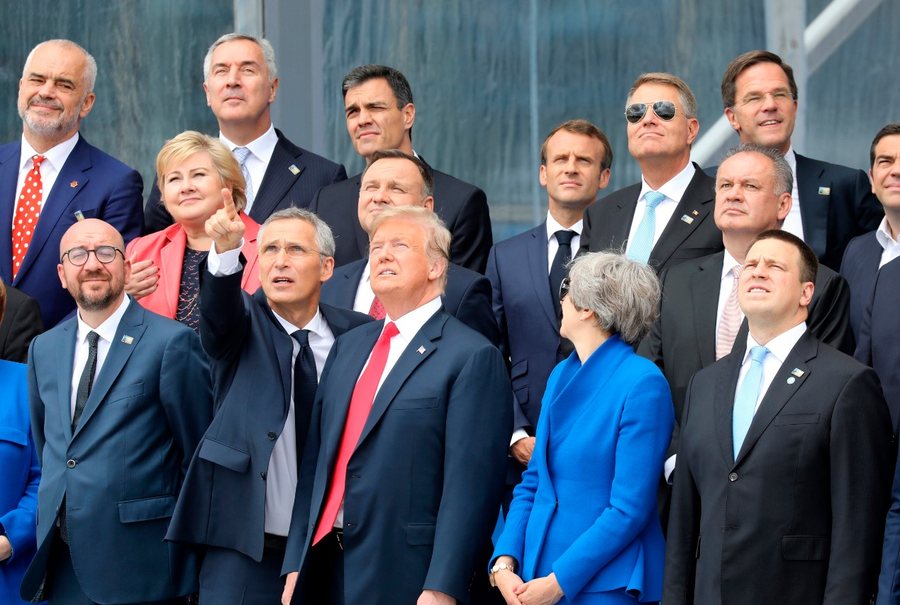
European officials in Munich said they were paying closer attention than ever to the poll numbers, not only to the challenge between Biden and Trump in swing states, but also to analyzing data about the likely results of the House and Senate races in attempt to predict the future trend of Congress.
For two days, US and European officials had warned of the threat from Russia and defended enduring transatlantic solidarity, even as Republican lawmakers held hostage some $60 billion in aid to Ukraine.
With aid to Ukraine stalled and the US election on the horizon, European leaders, officials and diplomats are increasingly aware of the need to engage former President Donald Trump and his security allies, and they are fighting, hard, to do so. this.
For months, much of Europe has watched with apprehension as American politics numb, seeing President Biden's weakness at the polls and fearing a return to the years when Trump threatened the international order that left them prosperous and comfortable under the security blanket of the US military.
With the biggest European ground war raging since World War II, Trump's flirtation with Russia and loose talk about NATO now feel less like a warning than an open invitation to invasion. Europe is worried and outraged – but not sure what to do next.
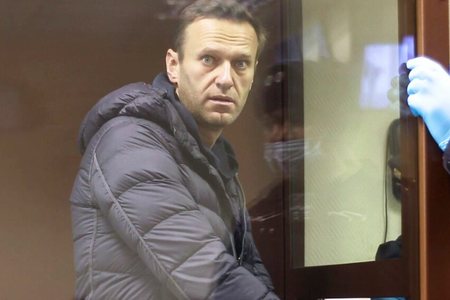
In Munich, the specter of Trump and Trumpism loomed over panels on the war in Ukraine and European Union politics and dominated backstage conversations like never before. The Americans tried to allay fears. The mood turned even darker after news of the death of Russian opposition leader Alexei Navalny in a Siberian prison. His wife, Julia, was present, as well as many of his friends.
European officials in Munich said they were paying closer attention than ever to the poll numbers, not only to the challenge between Biden and Trump in swing states, but also to analyzing data about the likely results of the House and Senate races in attempt to predict the future trend of Congress.
Democrats who want to support Ukraine asked their European colleagues to talk to Republicans.
"I would urge you to put a lot of pressure on every House Republican who is here to give us a vote on aid to Ukraine and make it clear how important it is," said Rep. . Adam Smith, ranking Democrat on the House Armed Services Committee.
Senior EU diplomats say privately that their embassies are working overtime to try to understand what is happening in the US and what kind of comments or concessions might resonate with the Republican base.
On a recent trip to the United States, NATO Secretary General Jens Stoltenberg gave a speech at the Trump-friendly Heritage Foundation and visited a Lockheed Martin facility in Troy, Ala. to highlight how much allies buy from manufacturers American weapons.
Estonian Foreign Minister Margus Tsahkna recently traveled to Arkansas to tout his country's US arms purchases. He saw the trip as a way to explain what Europe is doing to defend itself and to support the continued US commitment to NATO.
In private conversations, European officials and diplomats often float the idea of promising the Americans tougher action on China in return for supporting Ukraine and NATO — though few take concrete steps.
At a campaign rally this month, Trump said he would "encourage" Russia "to do whatever they want about NATO members who don't spend enough on defense."
In the days since Trump's comments, European officials have privately discussed building a continent-wide NATO complement that would work in harmony with U.S. security guarantees but could also serve as an alternative. credible if US guarantees are withdrawn.
For now, those conversations are tied up in known disputes. France and Germany cannot agree on who will foot the bill. Eastern Europe does not fully trust Western European resolve against Russian threats. And it is not clear how they would build a nuclear shield over the continent - and even if they did, they would be too far to reach Russia's arsenal in the worst-case scenario of nuclear war.
Some wonder if a Europe poised to break away from the United States would prompt a self-fulfilling prophecy, furthering the transatlantic divorce rather than avoiding it.
Some are focusing on how to lock in US commitments before the November election. Top US policymakers say there is little they can do, realistically, to curb future administrations' foreign policy decision-making. But some of the structures they are discussing — such as a long-term military aid commitment to Ukraine — would require status reports and other actions that could make it more politically difficult for Trump to completely renege on U.S. pledges.
And there's also a sense that, even if Biden prevails, things will change. Hannah Neumann, a German member of the European Parliament, said she had no doubt that the Munich crowd preferred Biden, but most understood that the shift in US sentiment runs deeper than Trump and would probably stay there./ Adapted "Pamphlet" from Washington Post


Lini një Përgjigje