


 Shkruar nga Pamfleti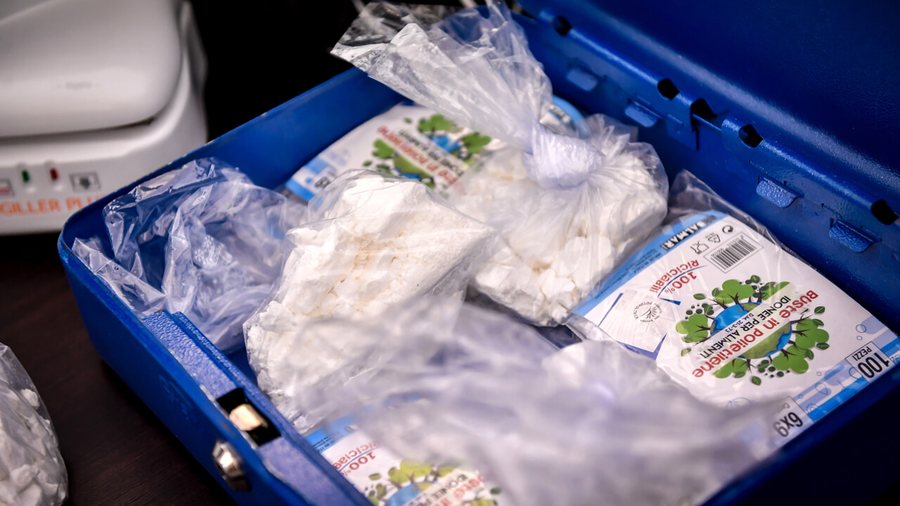
MDMA use is declining, while cocaine and ketamine use is increasing at a worrying rate. This is one of the conclusions of the latest report "Wastewater Analysis and Drugs - a European Multi-City Study", carried out by the SCORE group in collaboration with the European Union Drugs Agency (EUDA). The study analysed daily wastewater samples from 115 cities in 25 countries, monitoring the consumption habits of approximately 72 million people for one week between March and May 2025.
Sewage analysis has proven to be an essential tool for mapping the spread of illegal substances in urban centers. The research focused specifically on five stimulants: amphetamine, cocaine, methamphetamine, MDMA and ketamine, as well as cannabis, Italian media report.
The results show different trends for cannabis, amphetamine and methamphetamine. Despite sometimes significant differences between the different countries analysed, all six substances studied were detected in almost all participating cities. The project findings also highlight distinct geographical and temporal patterns of drug use in European cities. Overall, within countries, relatively limited differences are observed between larger and smaller cities. The Assessment Group has been carrying out annual wastewater monitoring campaigns since 2011. The latest edition of the study also included international data from Brazil, Canada, Chile, Iceland, New Zealand, South Korea, Switzerland, the United Kingdom and the United States, allowing comparisons with the European cities analysed.
MDMA consumption
The study found that urban populations in Europe have different drug-related behaviours. For MDMA, the overall load in wastewater decreased by 16% between 2024 and 2025 in cities that provided data for both years. Among the 78 cities with comparable information, 62% (48) recorded a decrease in MDMA detections, 15% (12) a stable situation and 23% (18) an increase. The decrease was particularly noticeable in cities in Germany, Austria and Slovenia, being more pronounced than that observed in 2020, when almost half of the cities had recorded a decrease during the closure of nightclubs due to the Covid pandemic. In 2025, the highest MDMA loads were detected in cities in Belgium, Spain, the Netherlands and Slovenia. The substance was detected in all but one European city, Nova Gorica in Slovenia. Among non-European countries, only New Zealand cities recorded levels comparable to those of the European cities with the highest loads.
The Rise of Ketamine
Ketamina është gjithashtu në rritje: ngarkesat e përgjithshme në ujërat e zeza u rritën me pothuajse 41% midis viteve 2024 dhe 2025 në qytetet me të dhëna të disponueshme për të dy vitet. Nga një total prej 66, 61% (40) regjistruan një rritje të mbetjeve të ketaminës, 21% (14) nivele të qëndrueshme dhe 18% (12) një rënie. Në vitin 2025, ngarkesat më të larta u zbuluan në qytete në Belgjikë, Gjermani dhe Holandë. Nëntë qytete (në Belgjikë, Qipro, Lituani, Hungari dhe Slloveni) nuk raportuan mbetje të dallueshme të ketaminës. Nivelet e raportuara në qytete në Kanada dhe Mbretërinë e Bashkuar tejkaluan ato të regjistruara në qytetet evropiane me ngarkesat më të larta. Për kokainën, një rritje e konsiderueshme vërehet midis viteve 2024 dhe 2025 me ngarkesat e përgjithshme të zbuluara në ujërat e zeza që u rritën me pothuajse 22% në qytete. Nga 85 që ofruan të dhëna për të dy vitet, 57% (48) regjistruan një rritje, 25% (21) nivele të qëndrueshme dhe 19% (16) një rënie. Përqendrimet më të larta mbeten në qytetet e Evropës Perëndimore dhe Jugore, veçanërisht në Belgjikë, Spanjë dhe Holandë, megjithëse gjurmë të substancës janë zbuluar në shumicën e qyteteve në Evropën Lindore, ku në disa raste vërehen rritje të mëtejshme. Nivele të barabarta ose më të larta se ato në qytetet evropiane me ngarkesat më të larta janë vërejtur edhe në qytete në Kanada, Kili, Zvicër dhe Mbretërinë e Bashkuar.
Të dhënat e amfetaminës
Për amfetaminën, nivelet e zbuluara ndryshonin ndjeshëm në vendet e studimit. Përqendrimet më të larta u vunë re në qytetet e Evropës veriore dhe qendrore, duke përfshirë Belgjikën, Danimarkën, Gjermaninë, Holandën, Suedinë dhe Norvegjinë, ndërsa nivele shumë më të ulëta u zbuluan në qytetet e Evropës jugore, për shembull në Itali, Qipro dhe Turqi. Tre qytete në Portugali dhe Slloveni nuk kishin zbulime të amfetaminës në vitin 2025. Ndër 82 qytetet me të dhëna për të dy vitet, 44% (36) raportuan një rritje, 33% (27) një rënie dhe 23% (19) nivele të qëndrueshme. Metamfetamina, historikisht e përqendruar në qytetet në Republikën Çeke dhe Sllovaki, tani zbulohet edhe në qytetet në Gjermani, Spanjë, Qipro, Lituani, Holandë, Norvegji dhe Turqi. Në zona të tjera, nivelet mbeten të ulëta, megjithëse disa rritje vërehen në qytetet e Evropës qendrore dhe veriore. Ndër 80 qytetet me të dhëna të krahasueshme midis viteve 2024 dhe 2025, 46% (37) regjistruan një rritje, 35% (28) një rënie dhe 19% (15) nivele të qëndrueshme. Nivele më të larta se ato të qyteteve evropiane me ngarkesat më të larta u vunë re edhe në qytete në Australi, Kanada dhe Shtetet e Bashkuara.
Kanabisi, numra divergjentë
Finally, when considering cannabis, the data show mixed trends. Among the 63 cities with data available for both years, 33% (21) recorded an increase in detections of the cannabis metabolite (THC-CoOH), 44% (28) a decrease, and 22% (14) stable levels. The highest loads were found in cities in Western and Central Europe, particularly in Germany, the Netherlands, and Slovenia. Again, cities in Canada and the United States reported higher levels than the European cities with the highest values. In 2025, most countries with multiple monitoring sites showed no significant differences between the patterns observed in large cities and those in smaller localities, with the exception of cocaine and MDMA, which show more pronounced changes.






Lini një Përgjigje