


 Shkruar nga Pamfleti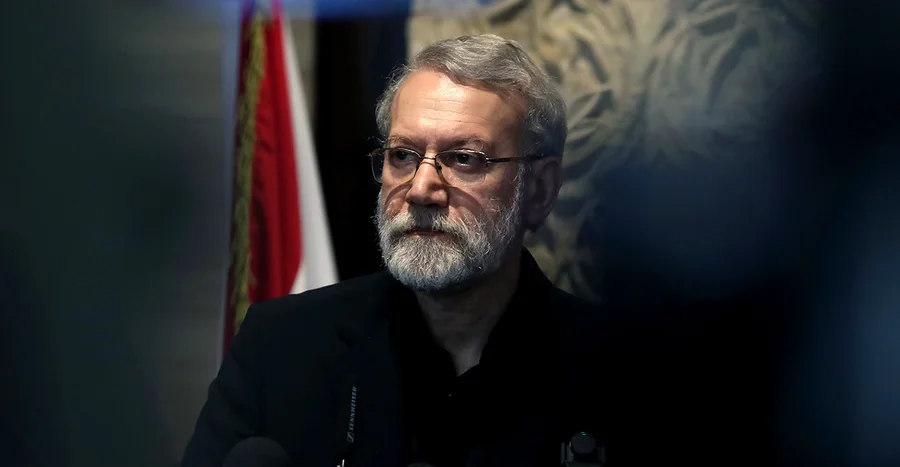
Ali Larijani, the secretary of Iran's National Security Council and, for many, the number two in the country's government after Ali Khamenei, was killed on Tuesday at his daughter's home in a well-organized operation by the Israeli air force, after having been targeted by Iranian opposition groups and Israeli officials for years.
With the epilogue of his life written in this way, the accusations of corruption and financial scandals that followed him came to the fore again.
Larijani has long been one of the most controversial figures in the Iranian regime. The allegations against him included his involvement in organizing controversial deals and laundering money through assets abroad.
According to a 2020 estimate by Al Arabiya, his personal wealth was estimated to be close to $70 million, making him one of the wealthiest members of Iran's clerical elite. However, more recent estimates, as of 2026, place his net worth between $5 million and $20 million, although the opposition cites significantly higher figures. Due to the lack of transparency in the Iranian system and the absence of a free media, it is difficult to determine the exact amount of his wealth.
The stories of 63 families and the scenarios of land confiscations
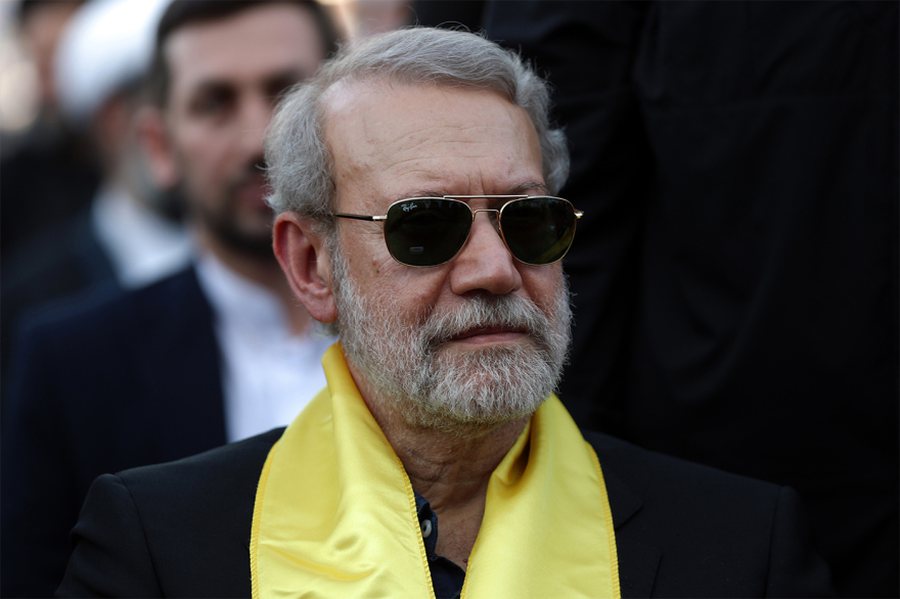
Questions about the origin of this wealth have remained open. In the late 2010s, the Larijani brothers were linked to corruption cases, including land confiscation, bribery, and possession of 63 personal bank accounts containing billions of Iranian rials. These accounts belonged mainly to his brother, Sadiq Larijani, a former head of Iran's judiciary.
In 2013, amid internal political disputes, the country's former president, Mahmoud Ahmadinejad, presented a video in the Iranian parliament that appeared to link the leaders of the legislative and judicial bodies to a well-documented case of financial corruption involving the Larijani brothers. In response, Ali Larijani himself used his position in parliament to block further investigations and prevent criticism of internal corruption.
Properties in Dubai and Malaysia
A report by the human rights website Iran HRM said Larijani was involved in several corruption cases, including embezzlement of money from the banking system, land confiscation and money laundering, particularly through the purchase of properties abroad. Among other assets, the close ally of Khamenei is said to own properties in Dubai and Malaysia, as well as businesses in the Iranian city of Qom.
Supplies from China
Në vitin 2021, Larijani mori një rol udhëheqës në negocimin e një marrëveshjeje strategjike 25-vjeçare me Kinën , me vlerë miliarda dollarë. Ky rol qendror shkaktoi akuza të reja për korrupsion, me burime të ndryshme që pretendonin se marrëveshja solli ryshfete dhe pagesa për familjen Larijani, megjithëse këto pretendime nuk u vërtetuan kurrë.
Në fillim të vitit 2026, Departamenti i Thesarit i SHBA-së vendosi sanksione ndaj Larijanit, duke e akuzuar atë për devijimin e të ardhurave të Iranit për të financuar represionin shtetëror dhe mbështetjen për organizatat terroriste jashtë vendit, në vend që t'i sillte dobi popullit të tij. Sanksionet janë pjesë e fushatës së "presionit maksimal" të Donald Trump kundër Iranit.
Ky vendim erdhi si pasojë e sanksioneve të vendosura ndaj 18 individëve dhe subjekteve të akuzuara për operimin e rrjeteve të "bankave në hije", të përdorura për të pastruar të ardhurat nga shitjet e naftës dhe petrokimikateve iraniane.
Pas Khameneit dhe Larijanit, çfarë?
Vrasja e Liderit Suprem të Iranit, Ali Khamenei , në prag të luftës dhe vrasja pasuese e pasardhësit de facto Ali Larijani , e ka zhytur Iranin në trazira politike. Lideri Suprem i sapoemëruar, Mojtaba Khamenei , nuk është shfaqur në publik që kur mori detyrën, duke krijuar një vakum udhëheqës dhe duke thelluar pasigurinë rreth asaj se kush e ushtron pushtetin e vërtetë.
Megjithatë, lëshimet e raketave nga Irani nuk janë ndalur. Përkundrazi, sulmet janë rritur ditët e fundit, megjithëse numri i raketave për sulm mbetet i kufizuar. Zyrtarët izraelitë argumentojnë se struktura e komandës dhe kontrollit brenda Iranit është ndërprerë, por nuk është shembur, duke lënë të hapur çështjen se kush i merr vendimet përfundimtare.
Largimi i zyrtarëve kryesorë politikë, ushtarakë dhe të inteligjencës duket se ka pasur pasoja serioze, por analistët paralajmërojnë se kjo nuk çon domosdoshmërisht në rrëzimin e regjimit. Siç thekson Berce Ozcelik , një studiues në Institutin Mbretëror të Shërbimeve, humbja e figurave të larta do të sjellë transformime të thella, por ky proces mund të zgjasë me vite, jo me javë.
Sipas vlerësimeve, Mojtaba Khamenei , i cili pasoi të atin, mban lidhje të ngushta me Gardën Revolucionare, forcën ushtarake më të fuqishme të vendit. Pikëpamjet e tij konsiderohen edhe më të ashpra se ato të të atit. Zyrtarisht, ai tani komandon forcat e armatosura iraniane dhe ka autoritet absolut mbi vendimet në lidhje me programin bërthamor.
"Gardat tani janë shteti"
Pavarësisht mungesës së tij nga skena publike, analistët thonë se lidershipi i Iranit është përshtatur dhe vendi vazhdon të ecë përpara me një strukturë të ndryshme pushteti. Siç e tha Ali Vaez , drejtor i programit të Iranit në Grupin Ndërkombëtar të Krizave, "Gardat tani janë shteti".
In the pre-war period, Iran's political leadership operated under the authority of the supreme leader, while the Guard constituted a parallel center of power. Now, with the leadership divided and Mojtaba Khamenei virtually nonexistent in public, the Guard is said to have assumed full power.
The organization, founded after the 1979 Islamic Revolution to protect the regime, has developed into a dominant military, economic, and political force. The Guards' Quds Force has played a central role in shaping Iran's regional network of allies, such as Hezbollah in Lebanon, the Houthis in Yemen, and other groups in the Middle East.
Iran's internal military structure appears to have contributed to the regime's stability. Since the beginning of the war, Iranian Foreign Minister Abbas Araghchi has indicated that military units operate with a degree of autonomy, acting on predetermined orders rather than real-time central instructions. This decentralized system appears to be part of a broader preparedness plan.
Analysts say Iran has prepared for the possibility of a leadership beheading and has taken steps to keep the state functioning. Military assets have been dispersed geographically, while key capabilities have been moved underground, with missile units operating in dozens of independent strategic centers.
This structure allows Iran to continue to function even if the top leadership is neutralized. The expectation that the regime will collapse after the elimination of the top leaders is an illusion, analysts say. As Ali Vaez puts it, “Iran is a system of multiple levels of leadership,” and this “decapitation illusion” suggests that the Iranian regime has a more complex structure, designed to absorb shocks, redistribute power, and continue to function under extreme pressure.



Iran ka marre fund ky thote qe jo po jane te pregaritur te qeverisin vete dhe pa kokat e udheheqjes. Kur dihet qe udheheqja ka vdekur cfare vepron nuk eshte qeveri po anarshi, secili ne koke te vete dhe per veten e tij. Pritni sa te mbaroje sulmi Amerikan dhe do ta shifni si do te cohet populli ti vari ata qe kane mbetur sepse te gjithe kane qene krkminela dhe te pasuruar me korrupsion. Represioni ne Iran ka qene aq i larte sa njerzit nuk e harrojne ose falin kurre.