


 Shkruar nga Pamfleti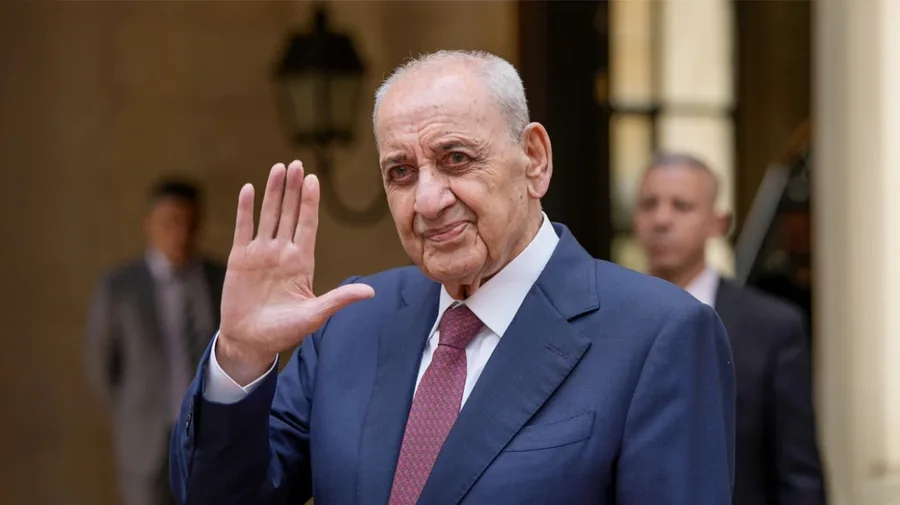
Iranian opposition media outlet Iran International reported, citing sources, that the speaker of the Lebanese Parliament, Nabih Berri, receives more than $500,000 per month from the Islamic Republic of Iran to promote the interests of Tehran and its ally, Hezbollah, in Lebanon.
According to the same sources, officials in Tehran claim that these payments are made to maintain unity within the Shiite political leadership in Lebanon, so that it acts in accordance with Iran's interests.
Nabih Berri did not respond to Iran International's request for comment on the allegations. An adviser to him said the speaker of the Lebanese parliament would not make a statement on the matter at this time.
According to the sources cited, Berri has not publicly expressed opposition to Hezbollah's attacks on Israel, which are reportedly carried out in support of Tehran. The sources claim that he does not want to risk losing the financial support he receives.
The 88-year-old politician is the leader of the Amal movement and is considered a figure of great influence in Lebanon's domestic and foreign politics.
The Shiite organization Amal, founded in the 1970s, remains one of the main political actors in the country and maintains close relations with Hezbollah, with which it constitutes an important part of the Shiite political camp in Lebanon.
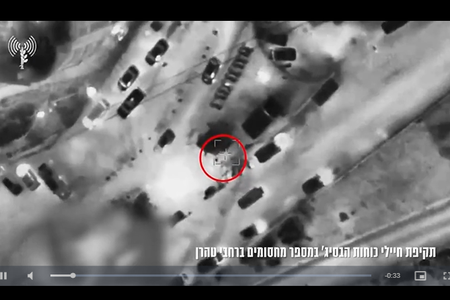
A few days ago, Hezbollah launched an attack against Israel in a sign of support for Tehran, while Israel responded with a new military operation.
Sources cited by Iranian opposition media also say that Berri appears reserved towards the Lebanese government's efforts to disarm Hezbollah, since - according to them - in exchange for financial support from Tehran he is expected to promote initiatives in parliament that align with Iranian interests.
Tehran considers Hezbollah one of the main pillars of the so-called "Axis of Resistance," a term used by Iranian officials to describe Iran's allied armed organizations, such as Hamas, Islamic Jihad, Hezbollah, the Popular Mobilization Forces in Iraq, and the Houthis in Yemen.
The Wall Street Journal reported in November 2025 that Tehran had transferred hundreds of millions of dollars in oil revenues to Hezbollah over the past year, through currency exchanges, private companies and a Dubai-based financing network.
Meanwhile, the Israeli network Kan reported in December 2025 that Iran had agreed to pay $1 billion to Hezbollah.



Lini një Përgjigje