


 Shkruar nga Paolo Rossetti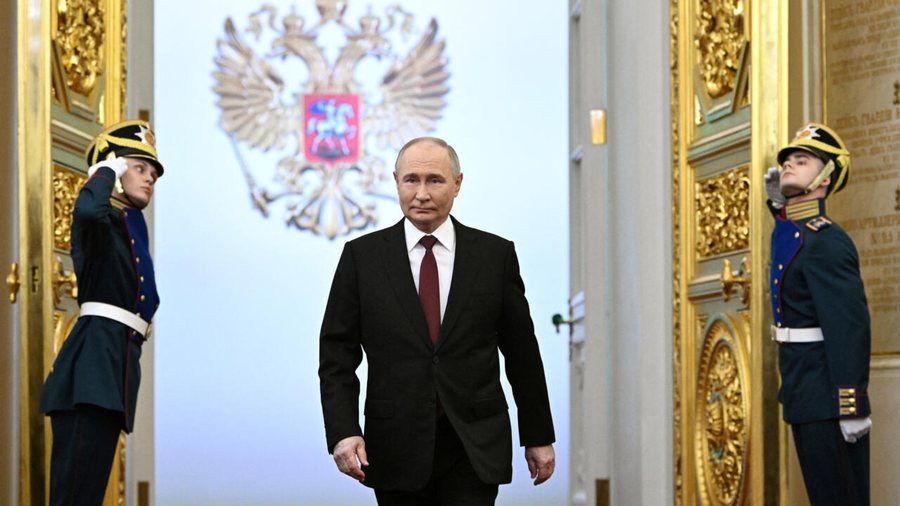
Marco Bertolini, general of the Folgore Brigade in the Italian army, and commander of numerous special operations in Lebanon, Somalia, Kosovo and Afghanistan, says there are high expectations on the US-Russia negotiations...
Russian President Vladimir Putin recently described as an "acceptable option" Slovakia's proposal to welcome negotiations to end the war in Ukraine. The statements of the Russian president were made during the visit of Slovak Prime Minister Robert Fico to Moscow.
Meanwhile, the head of the Kremlin remains ready to talk with Donald Trump. Marco Bertolini, general of the Folgore Brigade in the Italian army, and commander of numerous special operations in Lebanon, Somalia, Kosovo and Afghanistan, says there are high expectations on the US-Russia negotiations, fueled by Trump's own statements.
But according to him, it will not be so easy to negotiate with the Kremlin, and a possible rejection by Moscow of American proposals, could lead to an unexpected reaction from the American president as well. Meanwhile, Russia is looking for new spaces in the Mediterranean, and specifically in Libya, since it can no longer rely entirely on its bases in Syria.
- After meeting the Slovak Prime Minister Fico, Putin legitimized the basis of negotiations that he offers. Can this alternative European front, composed of Fico and Orbán, expand?
The rapprochement of these leaders with Putin is the result of a situation dragged on for 3 years, for which Europe is paying the costs, from an economic and energy point of view. Orbán and Fico have left the door to dialogue open, although not many others are following that course.
Perhaps it could be Erdogan, who continues to have relations with Putin, despite belonging to NATO, and despite recently being the protagonist of the overthrow of Assad in Syria, which is not in Russia's interest. Turkey is somewhat part of the dialogue, if not of Europe, then of the West. But I believe that it is unlikely that someone else will join this duo.
- What do the official positions mean?
All countries, including Italy, continue to confirm support for Ukraine. This is even though a change of approach may be close with the return of Trump to the head of the USA. Yes, I do not believe that, at least in the short term, there will be other opportunities for a direct dialogue with everyone. But there has been a signal of change, and this does not exclude the possibility that a mid-term period, after the new American president takes office, will have new news.
-So the war in Ukraine is putting Europe in difficulty, and it has influenced the current political crises in France and Germany. Are Orbán and Fico not enough to change the EU's approach?
Sllovakia dhe Hungaria janë shumë të vogla dhe udhëhiqen mbi të gjitha nga interesat e tyre specifike. Ato vazhdojnë të furnizohen me gaz nga Rusia, që kalon tranzit përmes Ukrainës. Por që nga fillimi i konfliktit, Evropa ka pasur probleme të mëdha ekonomike.
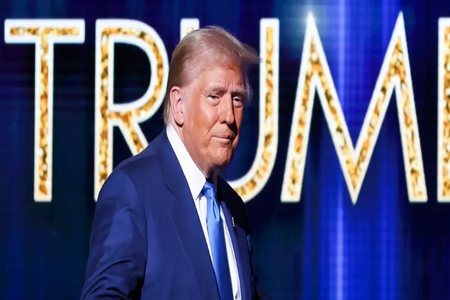
-Ndërkohë Trump vazhdon të thotë se dëshiron t’i japë fund kësaj lufte. Dhe Putini përgjigjet gjithmonë se është gati ta takojë. A po lëviz diçka?
Mendoj se ka tashmë një lloj dialogu. Por po ashtu besoj se ka shumë pritshmëri. Duhet të mos harrojmë se arsyet e luftës së Rusisë ndaj Ukrainës, nuk janë të një rëndësie vetëm territoriale, por të një karakteri ekzistencial. Rusia ndihet e kërcënuar nga hyrja e mundshme e Ukrainës në NATO, sepse ajo e percepton aleancën atlantike si një realitet armik.
Unë besoj se propozimi për të ndaluar luftën në linjën aktuale të frontit, ndoshta duke e ngrirë procesin e anëtarësimit të Ukrainës në NATO, mund të mos konsiderohet i mjaftueshëm nga Putin. Ai synon diçka tjetër, dëshiron që Kievi të mos i bashkohet fare aleancës, ashtu si edhe Gjeorgjia.
Propozimi i Trump për t’i dhënë fund luftës, pa i dhënë Putinit siguri formale se NATO do të ndalë zgjerimin në lindje, mund të mos mjaftojë. Dhe duke pasur parasysh karakterin e Trump, kjo mund të sjellë reagimin e tij: Ai dëshiron të sjellë paqe, duke u mbështetur tek forca e Amerikës.
-Por Zelensky këmbëngul se Ukraina duhet të hyjë në NATO...
Në këtë luftë ekzistojnë dy nevoja ekzistenciale, por të kundërta midis tyre. Ukraina e di se nuk mund të kënaqet duke u bërë një vend neutral. Për Kievin, anëtarësimi në NATO është thelbësor. Nëse nuk e bën këtë në të ardhmen, nuk do të jetë më si tani, jo vetëm në kufijtë e saj, por edhe si shoqëri. Putin pranon të bisedojë me Zelensky vetëm nëse ai rizgjidhet në detyrë, duke qenë se mandati i tij ka skaduar. Pra ka gjithmonë “nëse” dhe “por”, që e bëjnë të vështirë fillimin e negociatave.
-Njëkohësisht, Rusia përpiqet gjithnjë të forcojë aleancat. Po mbërrijnë më shumë ushtarë nga Koreja e Veriut, ndërsa në janar pritet nënshkrimi i një partneriteti strategjik me Iranin. A po bëhet gjithnjë e më i rëndësishëm fronti anti-perëndimor?
Koreano-veriorët janë të parëndësishëm në këtë luftë. Aleanca është më e rëndësishme për Korenë e Veriut sesa për Rusinë. Por fakti që Rusia dëshiron marrëdhënie më të ngushta me Iranin është i rëndësishëm. Një aleancë de facto midis tyre ekziston tashmë, dhe ajo ishte aktive në Siri.
Por Moskën kjo është thelbësore, pasi Rusia është e brishtë përgjatë kufijve të saj jugorë, duke pasur parasysh krizën në Kaukaz, Gjeorgjinë por edhe Armeninë. Nga ky këndvështrim, pasja e një aleancë më të strukturuar me Iranin është shumë e rëndësishme, ashtu siç është për Teheranin, që nuk ka më aleancë me Sirinë dhe është e shkëputur nga Mesdheu.
-After the overthrow of Assad, the situation has changed from a geopolitical point of view, and the Russians are strengthening the southern front, trying to move the bases and at least part of the weaponry they had from Syria to Libya. With the major breakthrough in Ukraine and the new bases in Libya, is their position in relation to Europe becoming more dangerous?
We Europeans are not surrounded. For this, it is enough to see where the NATO bases are around Russia, both in Europe and in Asia. Of course, Moscow has a strategy that it has been trying to implement for some time: it needs a base in the Mediterranean. Because one of its 5 fleets, that of the Black Sea, must have an exit to the Mediterranean, which is currently completely under NATO control.
Russia is looking for other bases in the Mediterranean, precisely because it sees the risk of losing the Tartus base in Syria. For years it has focused on Libya, where its ally Haftar is based, but it is a step back. Russia has lost a very important strategic asset in Syria.
- What would the loss of all bases in the Mediterranean mean for Moscow?
It would be a very important strategic loss. Russia has a total of 5 fleets, of which 3 are in the Caspian Sea, the Black Sea and the Baltic Sea. That all these are closed seas. Furthermore, the Baltic is entirely under NATO control. For Russia, the access to the Black Sea has no value, if there is no exit to the Mediterranean Sea.
-But should NATO act to curb Russia's plans in Libya?
I think this is a problem in the context of the confrontation between the United States and Russia. The US does not like this, especially at a time when Russia was prevented from using the port on the Syrian coast. When Montenegro seceded from Serbia, there was an immediate attempt to bring it into NATO, because perhaps it could have been an option for the Russian presence in the Adriatic. /Adapted "Pamphlet" from "Il Sussidiario"


Lini një Përgjigje