


 Shkruar nga Pamfleti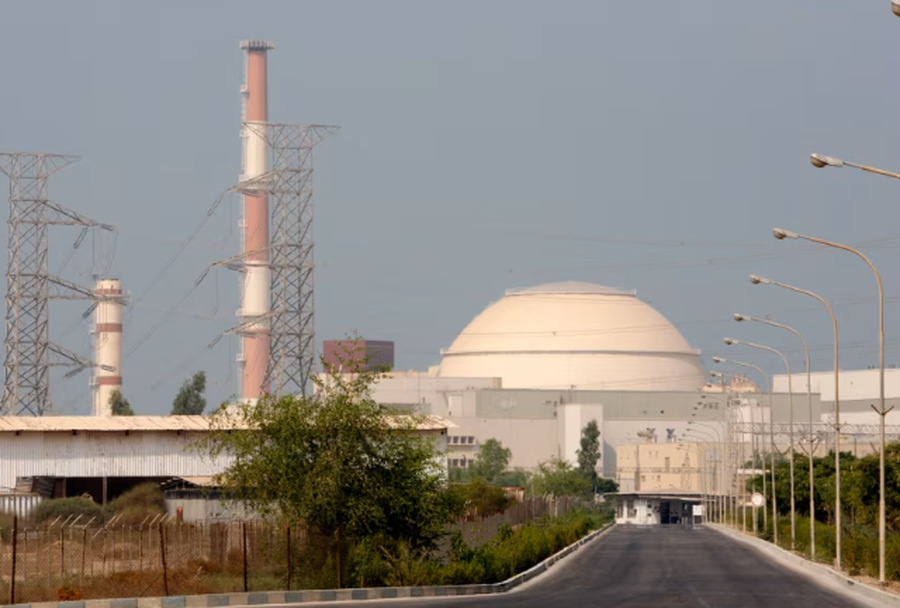
Trump stopped speaking after being warned that it would likely trigger harsh Iranian retaliation...
The top U.S. general made a secret and hurried visit to the U.S. Central Command headquarters in Florida late last month to be personally briefed on the U.S. military's plans to send ground troops to Iran to forcibly seize its highly enriched uranium, the key ingredient needed to produce a nuclear weapon, two sources familiar with the matter told CNN.
The briefings were so urgent and sensitive that they forced Gen. Dan Caine, the chairman of the Joint Chiefs of Staff, to rush from a meeting of senior NATO officials in Brussels across the Atlantic to Tampa, Florida, on May 19, the sources said. The high-level and urgent nature of the briefings underscores how close the administration was to approving the high-risk ground operation, the sources said.
A spokesman for the Joint Chiefs of Staff declined to comment on preparations for a possible operation. Caine later briefed President Donald Trump on options for such an operation, one of the sources said.
But Trump stopped short of speaking out after being warned that it would likely trigger harsh Iranian retaliation, prolonging the war and plunging the global economy into further turmoil, the sources said. Trump has also expressed concern about the potential for significant American casualties, according to sources familiar with the matter.
The advanced planning for the operation came amid repeated statements by Trump that the U.S. and Iran were moving closer to a deal to open the Strait of Hormuz and end negotiations over Iran's nuclear program. On Thursday, Trump said the U.S. and Iran would soon sign a deal, potentially over the weekend.
But discussions about sending ground troops to Iran just last month show how close the US has been to a massive escalation of the conflict.
"Too much risk," said one of the sources familiar with the plans for the potential military operation, adding that it was not surprising that Trump decided not to give the green light to the military last month.
Teherani gjithashtu ka qenë duke komplotuar një “opsion bërthamor” ekonomik nëse negociatat me SHBA-në dështojnë dhe lufta rifillon, thanë për CNN tre persona të njohur me çështjen: duke i detyruar Huthët, forcën kryesore të përfaqësuesit të iranianëve në Jemen, të mbyllin ngushticën Bab-al-Mandab, një rrugë ujore kyçe dhe pikë kyçe tregtare globale që ka shërbyer si një litar shpëtimi për transportin detar si hyrje në Detin e Kuq mes mbylljes disamujore të Ngushticës së Hormuzit nga Irani.
Një zyrtar i lartë i administratës iu përgjigj një kërkese për koment nga CNN të premten me një listë kushtesh që Irani dyshohet se kishte rënë dakord si pjesë e negociatave, duke përfshirë shkatërrimin dhe largimin e materialit të tij bërthamor, çmontimin e programit të tij bërthamor, hapjen e Ngushticës së Hormuzit dhe ndalimin e financimit të grupeve terroriste të ndërmjetësuara nga Irani, dhe vetëm më pas do të merrte lehtësim nga sanksionet.
Versioni i Iranit për atë që ka rënë dakord është shumë i ndryshëm, sipas medias shtetërore iraniane, e cila tha se Irani nuk do të angazhohej për të hequr dorë nga menaxhimi i Ngushticës së Hormuzit dhe se çdo marrëveshje kërkonte lirimin e menjëhershëm të 24 miliardë dollarëve nga fondet e ngrira të Iranit.
Ndërsa Trump e ka përmendur vazhdimisht mundësinë që SHBA-të të hyjnë dhe të sekuestrojnë me forcë uraniumin, ai ka ngurruar të ecë përpara me një operacion që mund të rezultojë në një numër të madh viktimash amerikane, diçka që ai është skeptik se populli amerikan do ta mbështeste.
Pavarësisht rreziqeve, një mision për të sekuestruar uraniumin e pasuruar të Iranit, veçanërisht 440 kg që ai e ka përqendruar shumë në një gradë pothuajse të përshtatshme për armë, nuk është hequr plotësisht nga tavolina.
Ekspertët bërthamorë kanë shprehur skepticizëm se një operacion ushtarak amerikan mund të gjejë dhe verifikojë të gjithë uraniumin, e aq më pak ta heqë atë në mënyrë të sigurt dhe të plotë në kushte armiqësore. Sipas CNN, besohet se materiali mbetet në formë gazi, siç ishte në kohën e verifikimit të fundit të Agjencisë Ndërkombëtare të Energjisë Atomike në qershor 2025.
Irani i mbylli inspektorët ndërkombëtarë bërthamorë muajin pasardhës, pas sulmeve ajrore të përbashkëta SHBA-Izrael mbi objektet e tij. Këto sulme dëmtuan objektet bërthamore , por nuk shkatërruan të gjithë materialin bërthamor, duke e lënë atë në tunele nëntokësore.
Sigurimi fizik i uraniumit do të kërkonte një forcë të konsiderueshme tokësore amerikane, duke përfshirë qindra operatorë specialë.
U.S. military commanders have determined that such an operation would fall between “High to Extreme” and “Acceptable Risk Level” for special operations forces, according to a source familiar with the guidelines, meaning the mission could result in a significant number of American casualties, even if carried out successfully. A senior administration official acknowledged Friday that removing highly enriched uranium, even if Iran agrees to allow it to happen, will be challenging, and the technical details have not yet been worked out.
If a ground operation to capture uranium were to be launched, the risk of economic damage from the closure of the Bab-al-Mandab Strait, one of the consequences that intelligence assessments have warned about, could be catastrophic for the world economy.




Lini një Përgjigje