


 Shkruar nga Pamfleti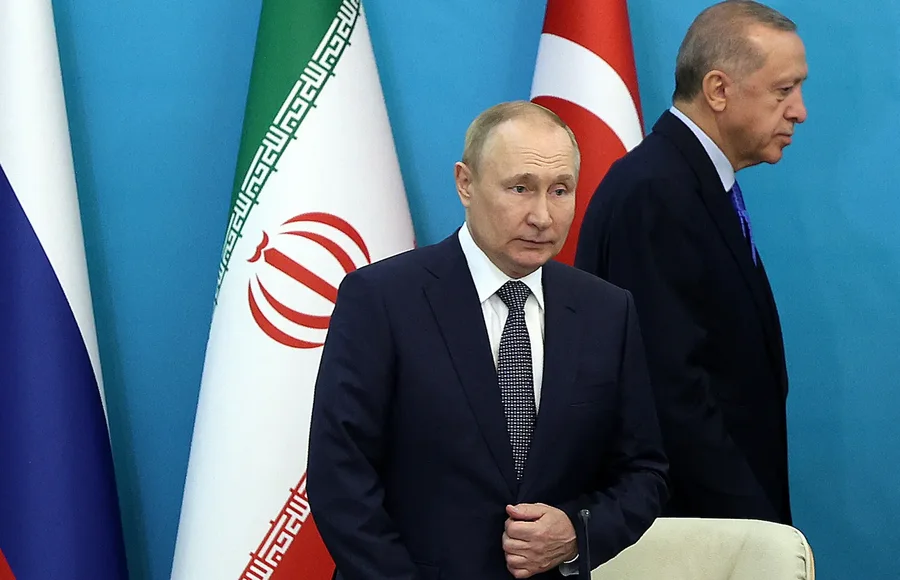
According to the European Parliament, Russia, Iran, Belarus and China are using various methods to exert pressure on dissidents and activists even outside their borders, raising concerns about the security and sovereignty of European countries...
Authoritarian regimes are no longer limiting their persecution of political opponents to their own territory. According to German Green Party MEP Hannah Neumann, countries such as Russia, Iran, Belarus and others are increasingly putting pressure on dissidents and activists living in the European Union.
Speaking to reporters in Strasbourg, Neumann said that these practices are present in Germany, France and most EU countries. She stressed that authoritarian regimes are using various means to intimidate or hinder their political opponents even beyond national borders.
One of the lesser-known mechanisms, she said, is the banking system. States can register individuals as “terrorists” in international financial databases, which can lead to restrictions or denial of bank accounts. Neumann said that currently, affected individuals have very little opportunity to challenge such a classification.
She also mentioned other forms of pressure that often remain below the threshold of criminal prosecution, such as threatening messages to family members or breaking into homes without breaking in, with the aim of intimidating victims.
According to the MEP, in some cases, administrative procedures in European countries themselves can create spaces for influence by authoritarian regimes. She cited cases where interpreters or service providers suspected of having links to repressive governments have been used in asylum processes.
Neumann also said that some states are collaborating with organized crime groups and exploiting various weaknesses of European systems to expand their activities abroad.
The phenomenon is known as “transnational repression,” a term that describes the actions of states to monitor, threaten, or punish political opponents living in other countries. The European Parliament adopted a resolution last year to protect human rights defenders from these practices.
Next week, the European Parliament is expected to vote on a new report on the issue. Neumann, the rapporteur for the document, said the initiative enjoys broad political support, from conservative groups to parts of the European left.
The report calls for a common European definition of transnational repression, better data collection and exchange of experiences between member states to identify patterns and protective measures.
Concrete proposals include creating appeal mechanisms for people who are listed as “terrorists” in financial databases based on information provided by authoritarian regimes. The report also suggests facilitating access to official documents without requiring citizens to rely on embassies in their countries of origin.
The official document names China, Russia, Iran and Belarus as sources of transnational repression. However, Neumann said that other countries mentioned in Freedom House reports, including Turkey and Egypt, have exerted diplomatic pressure to avoid being included in the report.
According to the MEP, the European Union should take a more assertive stance against these practices. She argues that these are not only violations of human rights, but also issues of security and sovereignty, demanding that democratic states guarantee effective protection for people seeking refuge and safety on their territory. /Adapted from Fr.de/






Lini një Përgjigje