


 Shkruar nga Pamfleti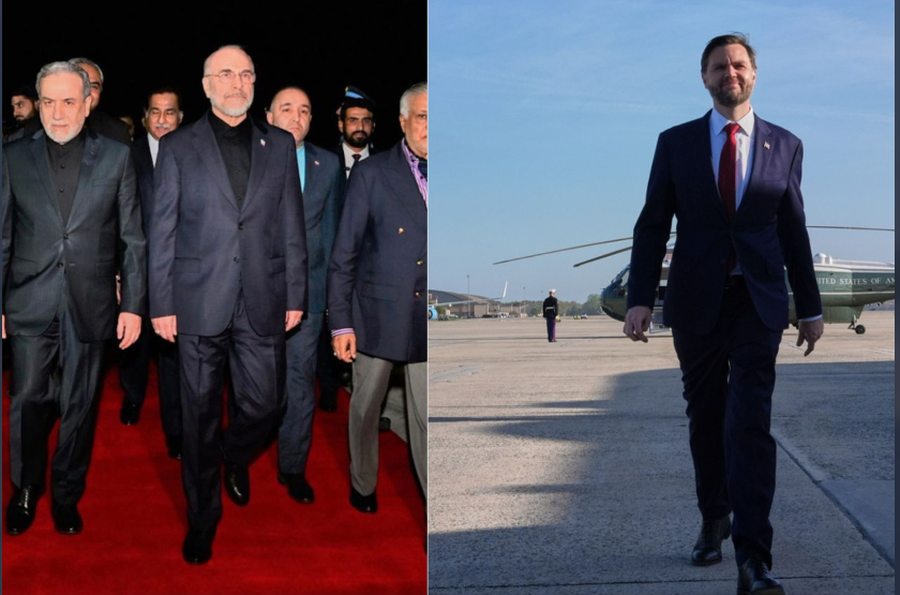
Talks in Pakistan take place in a tense climate, amid fragile ceasefire and escalating violence in Lebanon
The moment of truth is approaching, as the world's attention is focused on Pakistan, where the US-Iran ceasefire talks will be held. The meeting will take place at the Serena Hotel in Islamabad, where the American delegation is led by Vice President JD Vance, while the Iranian side is led by the Speaker of the Parliament, Mohammad Bagher Ghalibaf. The meeting is considered an unusual development in a crisis that has entered its second month.
As the international community watches with anticipation, Pakistani Prime Minister Shehbaz Sharif describes the talks as a “win-or-lose” moment. The World Bank warns that a return to full-scale war could significantly slow global economic growth and fuel inflation, which already rose to 3.3% in March due to the energy crisis.
The central issue in the negotiations remains the full opening of the Strait of Hormuz, through which only two ships were able to pass on Friday. According to US officials, Iran is unable to restore navigation because it cannot itself detect all the mines it carelessly laid last month. The "technical limitations" mentioned by Iranian Foreign Minister Abbas Araghchi are related to the lack of rapid mine clearance capabilities, which complicates Trump's demand for the "immediate and safe opening" of the passage.
China, whose economy depends heavily on Gulf energy, has been pressuring Tehran to stay at the negotiating table. At the same time, Trump has appeared confident in U.S. power, saying there is no need for a backup plan as Iran’s military power has been significantly reduced. However, the recent downing of a U.S. fighter jet by Iranian forces is a reminder that Tehran retains the ability to retaliate. Vance’s success will depend on whether he can secure an extension of the ceasefire beyond the initial two-week deadline.
Ahead of planned talks between American and Iranian delegations in Pakistan, in light of which neither side hides its distrust, UN Secretary-General Antonio Guterres called on the two countries, sworn enemies, to seize the opportunity to reach an agreement that would permanently end the war in the Middle East.
Guterres beson se palët duhet të përfitojnë nga këto negociata, të tregojnë "besim të mirë" dhe të ecin drejt një "marrëveshjeje të qëndrueshme dhe gjithëpërfshirëse" që do të lejojë "uljen e tensioneve" dhe "parandalimin e një kthimi në armiqësi", tha zëdhënësi i tij Stephane Dujarric gjatë një informimi për korrespondentët e akredituar në selinë e Kombeve të Bashkuara në Nju Jork.
Pas gjashtë javësh lufte, Shtetet e Bashkuara dhe Irani po planifikojnë takimin më të lartë politik ndërmjet tyre që nga themelimi i Republikës Islamike në vitin 1979.
I vetmi precedent për kontakte në këtë nivel daton në mandatin e dytë të presidentit Barack Obama, kur sekretari i Shtetit John Kerry zhvillonte takime të rregullta me ministrin e Jashtëm iranian Javad Zarif. Ato negociata zgjatën më shumë se një vit dhe u mbështetën nga punë intensive teknike në Zvicër dhe Vjenë për arritjen e marrëveshjes bërthamore.
Ndryshe nga ajo periudhë, përgatitjet për bisedimet aktuale duken të kufizuara dhe pa një proces të gjatë paraprak diplomatik. Axhenda mbetet e paqartë, ndërsa armëpushimi dyjavor i shpallur nga presidenti Donald Trump ka rezultuar i paqëndrueshëm. Kushti i SHBA për rihapjen “të plotë, të menjëhershme dhe të sigurt” të Ngushticës së Hormuzit ende nuk është përmbushur.
Irani kërkon që armëpushimi të përfshijë edhe Libanin, ku mbështet Hezbollahun, ndërsa pala amerikane e kundërshton këtë interpretim.
Zëvendëspresidenti JD Vance, i cili gjatë muajit të fundit qëndroi kryesisht jashtë vëmendjes publike ndërsa SHBA zhvillonte luftën me Iranin, tani ka marrë një rol qendror në përpjekjet për paqe. Ai do të drejtojë negociatat me synimin për të konsoliduar armëpushimin e brishtë dhe për të arritur një marrëveshje afatgjatë.
Misioni konsiderohet i vështirë dhe pa garanci suksesi. Të dyja palët mbeten larg në qëndrime dhe vazhdojnë shkëmbimin e deklaratave të ashpra, duke treguar se tensionet nuk janë zbutur ndjeshëm pas shpalljes së armëpushimit. Megjithatë, sipas burimeve të njohura me çështjen, Vance ka punuar prej javësh në prapaskenë për të krijuar kushtet për një marrëveshje të qëndrueshme.
Ai do të udhëheqë delegacionin amerikan së bashku me të dërguarit diplomatikë Steve Witkoff dhe Jared Kushner, në takimin e parë ballë për ballë mes dy vendeve që nga fillimi i luftës.
Ndërkohë, zhvillimet ndërkombëtare shtojnë kompleksitetin e situatës. Sipas vlerësimeve të inteligjencës amerikane, Kina po përgatitet të furnizojë Iranin me sisteme të reja të mbrojtjes ajrore në javët në vijim. Burimet bëjnë të ditur se bëhet fjalë për sisteme portative kundërajrore (MANPADS), të cilat përbëjnë kërcënim për avionët ushtarakë që fluturojnë në lartësi të ulët.
Po ashtu, ekzistojnë indicie se dërgesat mund të kalojnë përmes vendeve të treta për të fshehur origjinën e tyre. Kina i ka mohuar këto pretendime, duke deklaruar se nuk ka furnizuar me armë asnjë palë në konflikt dhe duke i cilësuar akuzat si të pabazuara.
The Iranian delegation in Islamabad consists of 71 people, including negotiators, technical experts, media representatives and security staff. According to Iranian state media, the involvement of a large number of specialists reflects the sensitivity and complexity of the negotiations.
The 15-point US proposal, which has not been made public in full, includes demands that Iran give up nuclear weapons, hand over enriched uranium, accept limits on its defense capabilities and allow the reopening of the Strait of Hormuz.
On the ground, the situation remains dire, especially in Lebanon. The first days of the ceasefire have been marked by a significant increase in casualties from Israeli attacks. Lebanese authorities report hundreds of deaths, including at least 357 people in a single day, as well as over 1,200 wounded.
Lebanese President Joseph Aoun confirmed that 13 members of the security forces were killed in the town of Nabatieh, in what local authorities described as the largest Israeli attack since the start of the war. International organizations warn that the health system is under great pressure, while medical supplies could run out within days.
The Israeli military has admitted hitting civilian areas, but says it targeted Hezbollah targets and killed at least 180 fighters, claiming it took measures to limit civilian casualties.
The attacks have continued even after calls from US President Trump to reduce the intensity of operations.
In this context, Israeli and Lebanese diplomats are expected to meet in Washington to discuss the possibility of a ceasefire and the launch of new negotiations under American mediation. However, the parties remain divided, as Israel refuses to negotiate with Hezbollah, while Lebanon demands a ceasefire as a precondition for any dialogue.
These developments show that, despite diplomatic efforts, the situation in the region remains unstable and the outcome of negotiations between the US and Iran remains uncertain. /Pamphlet/


Lini një Përgjigje