


 Shkruar nga Pamfleti
The storms have led to the collapse of several buildings that were still standing after two years of Israeli bombardment...
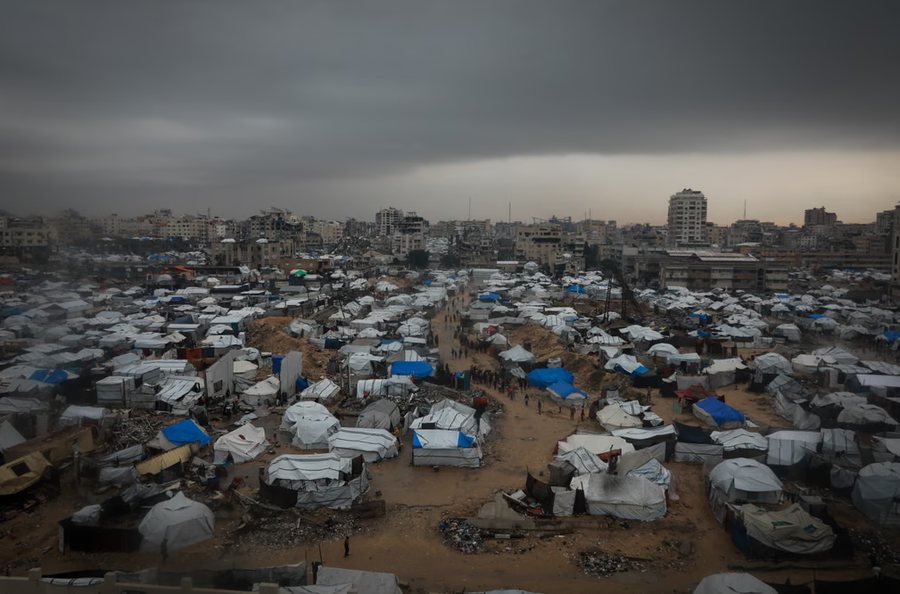
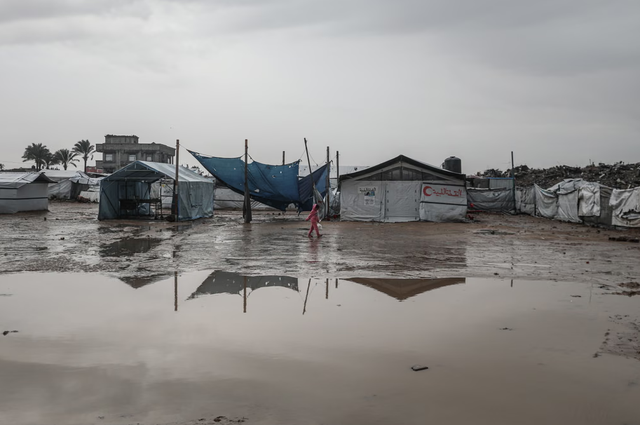
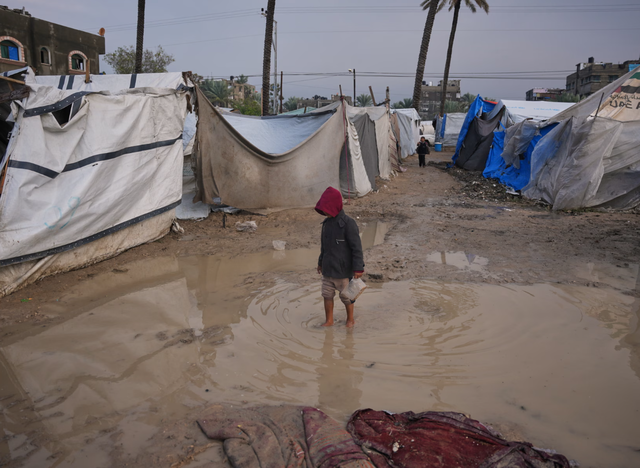
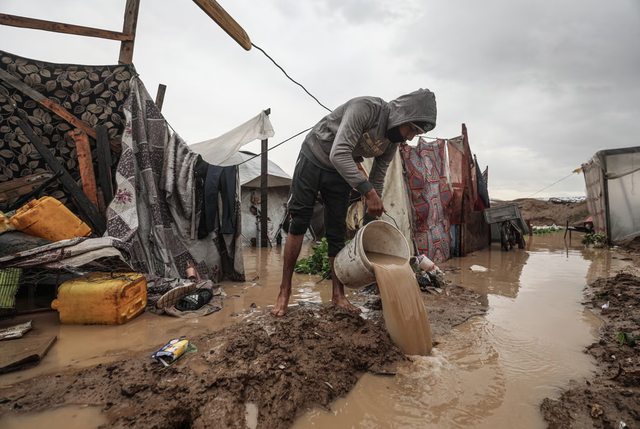
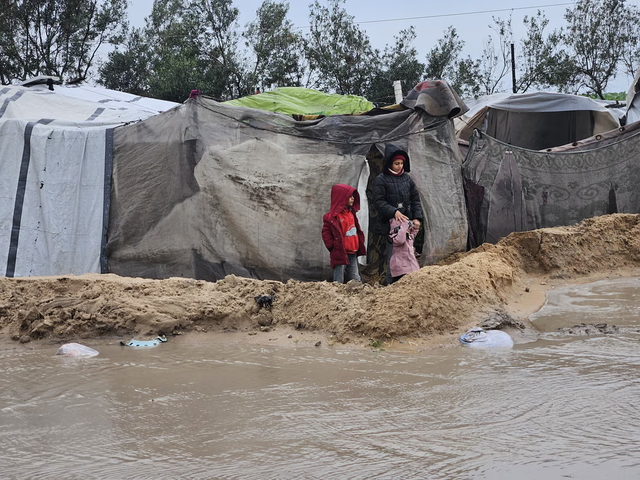
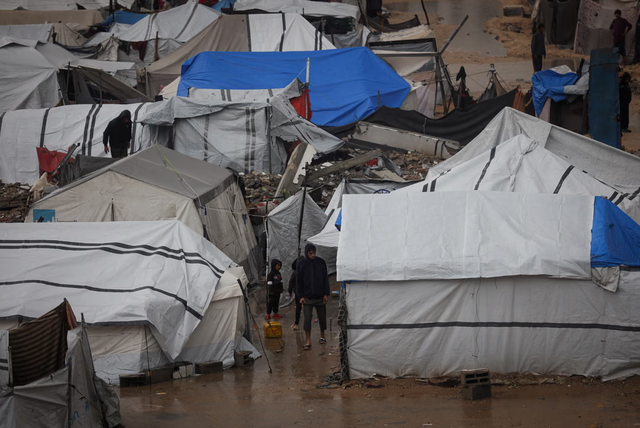
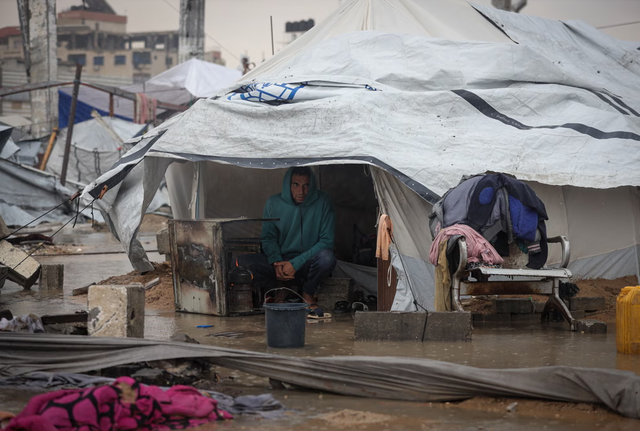
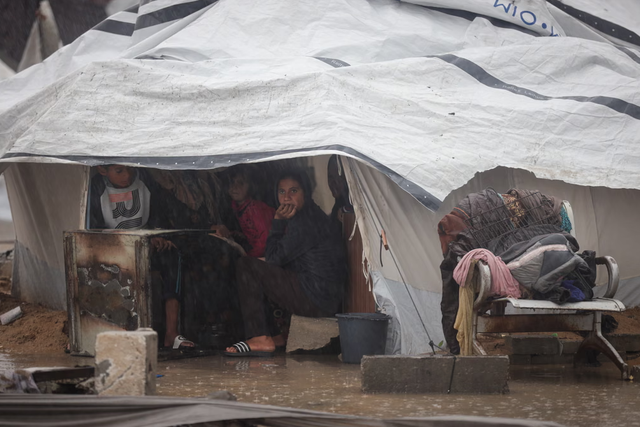
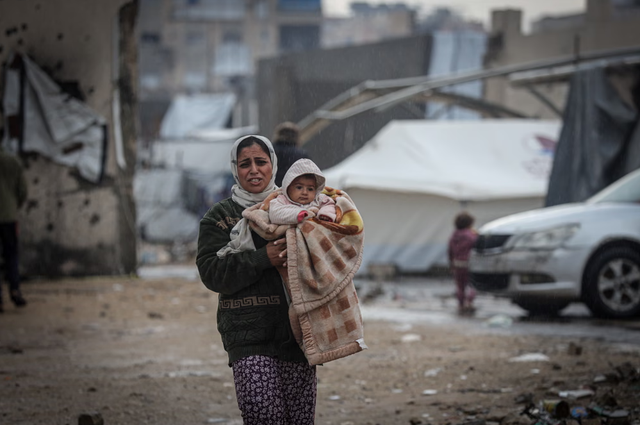
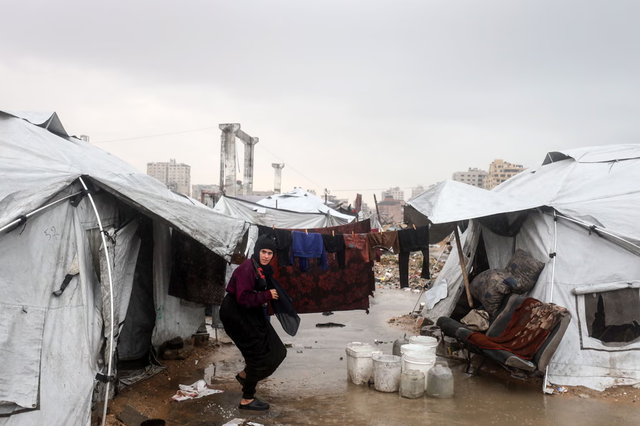
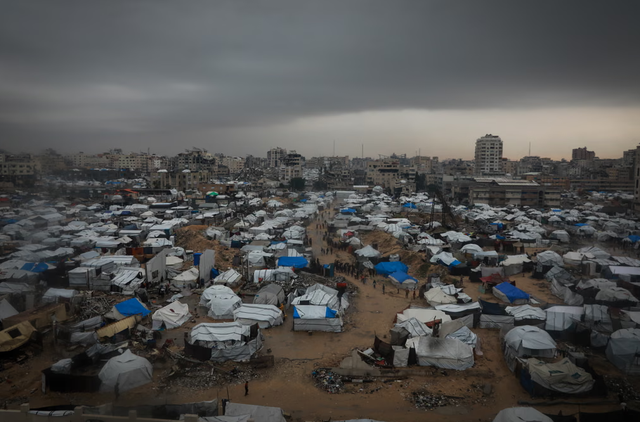
Gaza has been battered by torrential rains and freezing temperatures, deepening the misery of most of its 2.2 million people, who live in tents after two years of Israeli bombardment. Thousands of homeless people have been forced out of their makeshift shelters and into emergency housing.
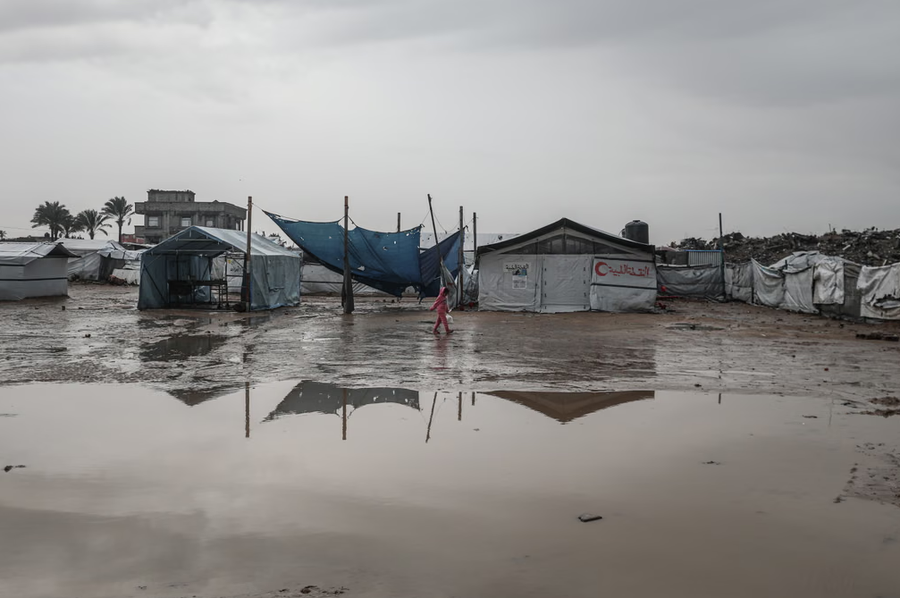
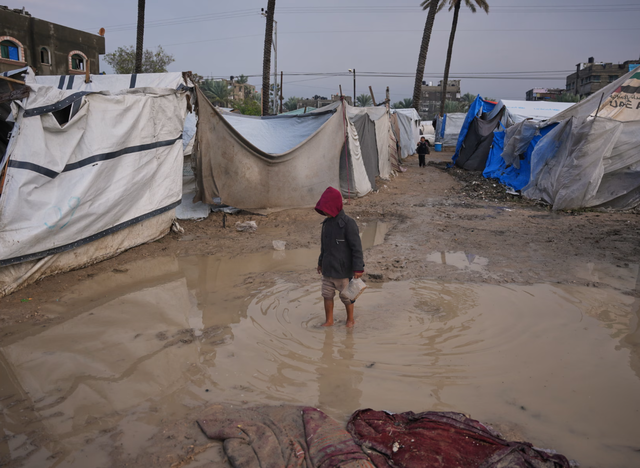
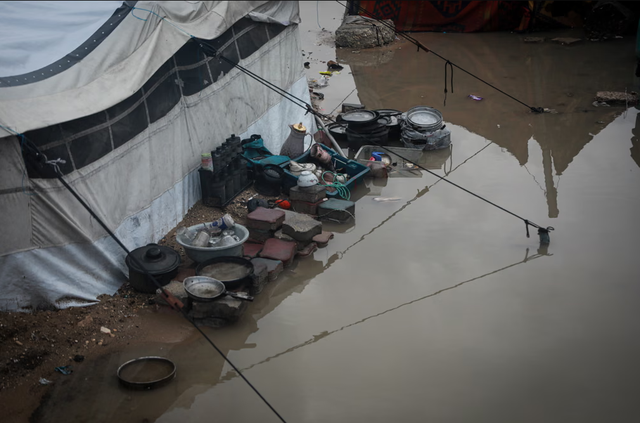
Floods have engulfed a tent city in Deir al-Balah. At least 465 families (2,731 people) living in 260 tents were affected on Wednesday, according to UN figures. Aid workers said the number of families being forced out of their tents continued to rise as the week went on. Despite a ceasefire declared in October, Israeli forces have carried out sporadic attacks and imposed restrictions on aid deliveries, severely limiting the availability of urgently needed equipment to protect people from floodwaters and the cold. Israel denies restricting aid, blaming aid agencies for inefficiency in distributing it.
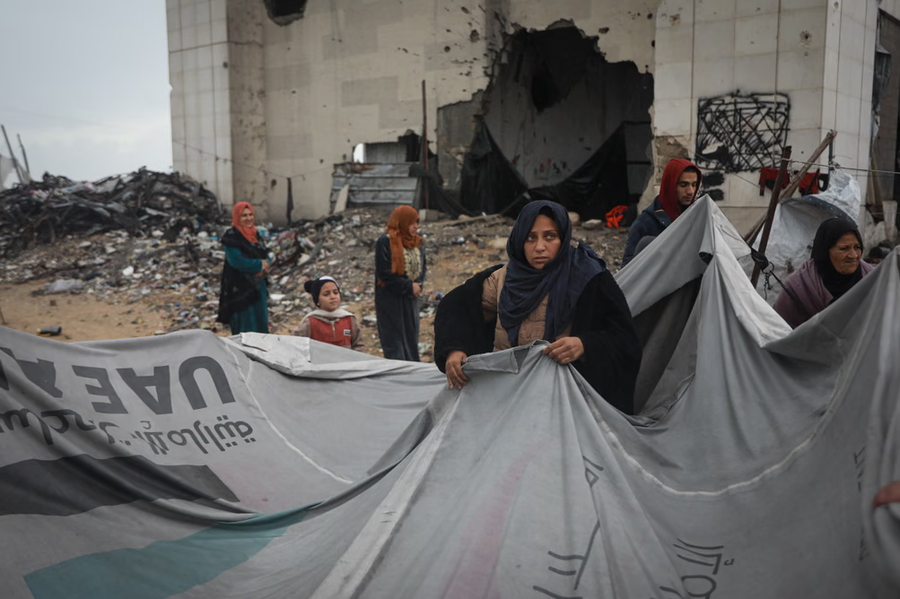
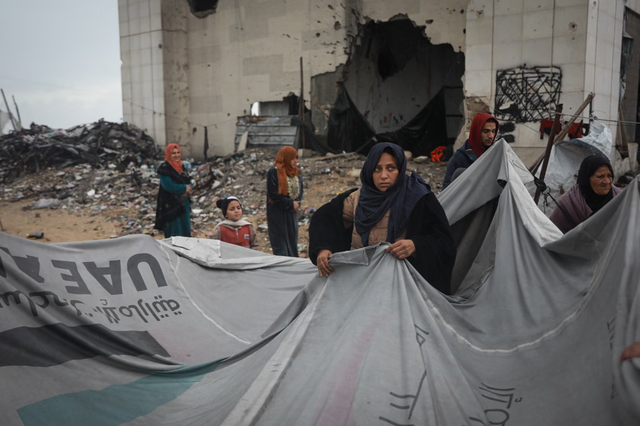
As tent cities along the southern beaches were flooded, thousands of Palestinians moved north to Gaza City, where they sought shelter among the rubble of buildings left by Israeli bombardment. The UN reported that their situation was worsened by the lack of gas or electricity supplies and the extremely limited availability of firewood.
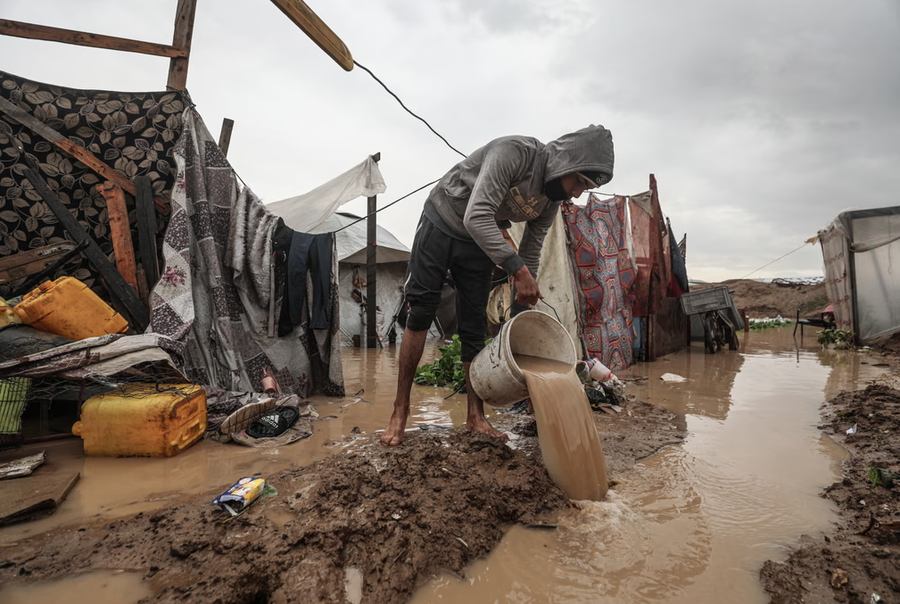
In the hardest-hit areas, such as Deir al-Balah, aid workers are trying to clear streams and culverts to keep floodwaters under control. Many families have sought refuge in designated emergency shelters, but even in these areas, tents and makeshift classrooms have been flooded.
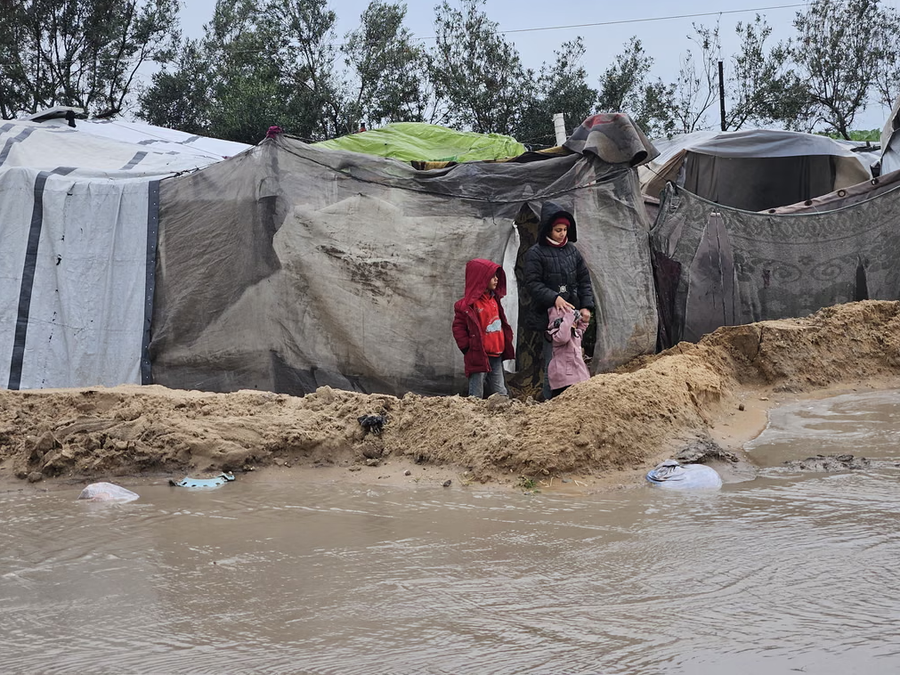
One of the worst-hit areas is al-Mawasi beach west of Khan Younis in southern Gaza, designated by Israeli forces as a 'humanitarian zone'. Rivers of floodwaters flowed through the camp, and on Friday the UN confirmed the death of an 18-month-old baby from sun exposure. Twelve people were reported to have been killed by the storm.
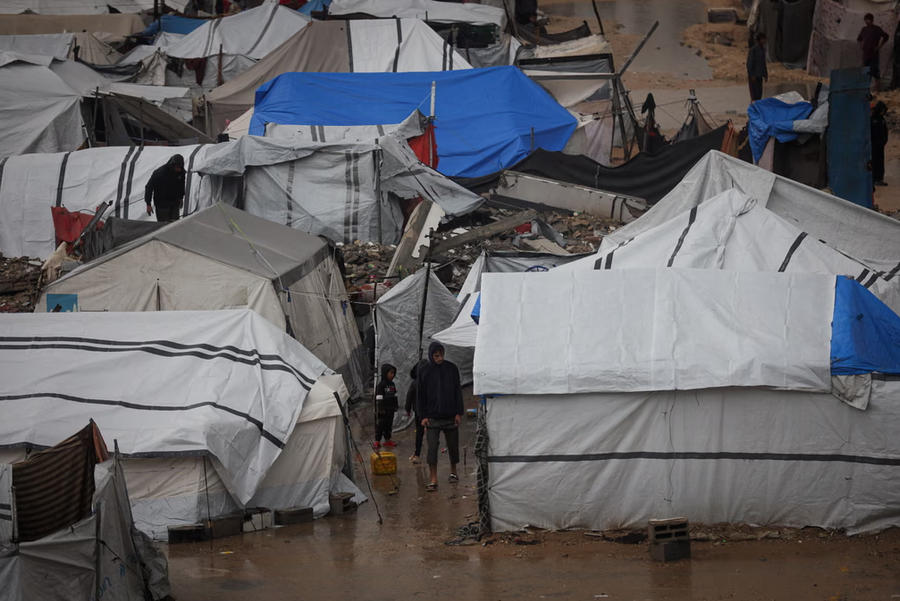
The UN and aid partners have set up a rapid response system for flood alerts to distribute tents, raincoats, warm clothes, blankets and toiletries. But they report that the need for winter supplies such as tents, raincoats, warm clothes, blankets and other non-food items remains extremely high.
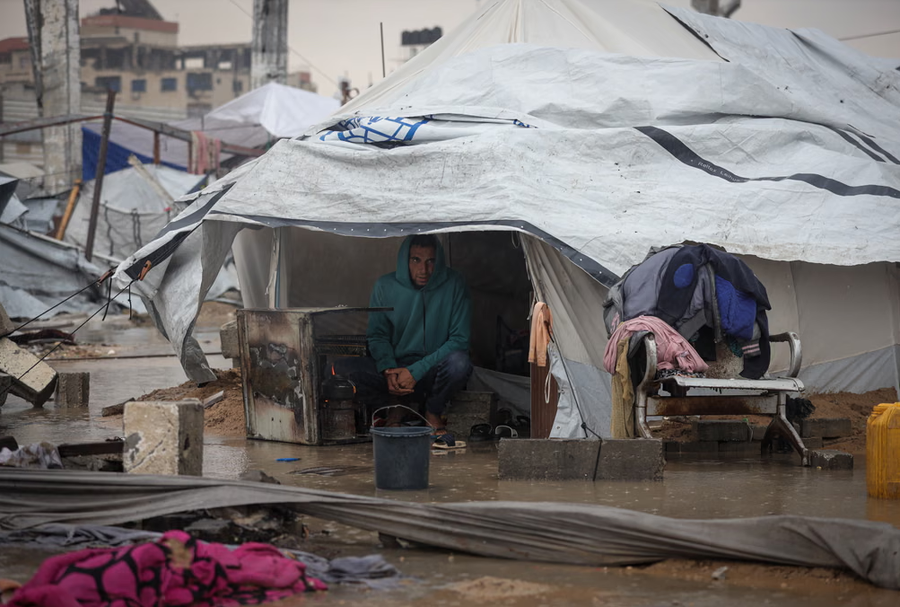
According to the International Organization for Migration, nearly 795,000 displaced people are at increased risk, as they are sheltering in low-lying, scattered areas where drainage is inadequate and there is a high risk of disease because floodwaters are mixing with sewage.
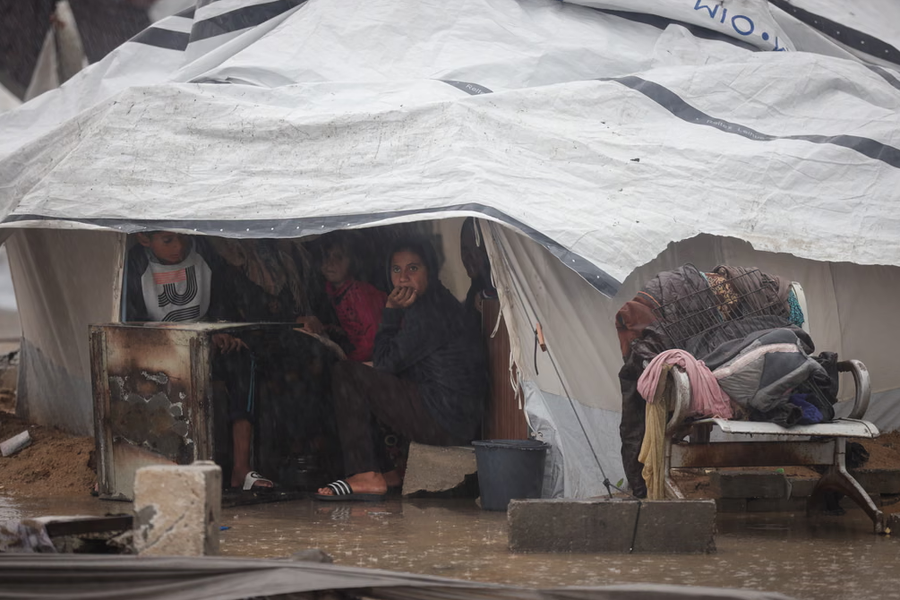
The UN says there are still strict restrictions on what can be brought into Gaza, two months after a ceasefire was declared. A joint distribution center, the Civil-Military Coordination Center, has been set up, involving officers from the US and other countries. But the UN says Israel has the final say on what can be brought in, leading to shortages of materials such as wood and plywood, sandbags and water pumps, essential for flood mitigation.
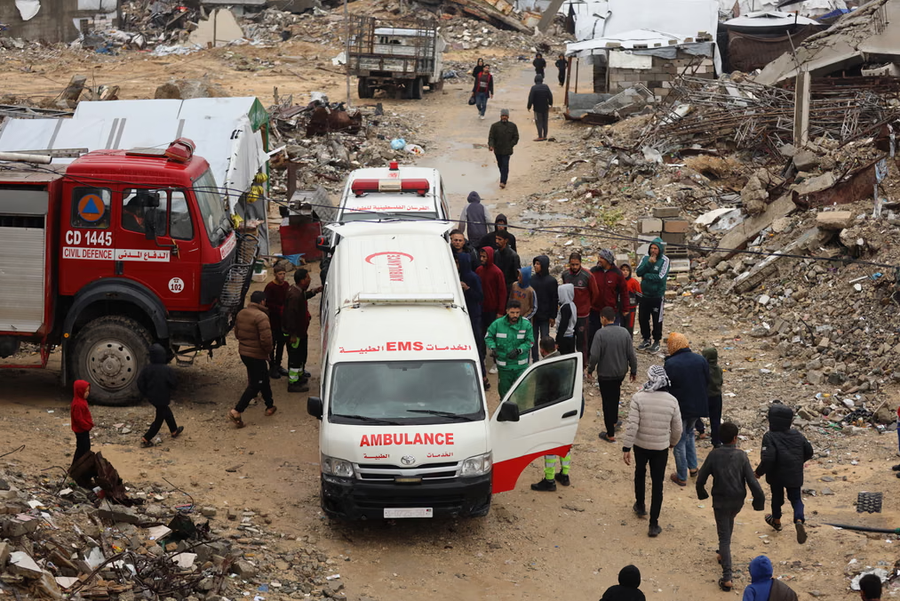
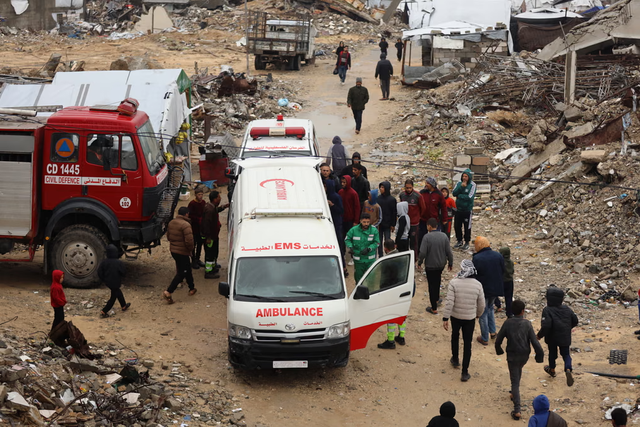
The storms have led to the collapse of several buildings that were still standing after two years of Israeli bombardment. In Beit Lahia in northern Gaza, a two-story building collapsed on Friday. Emergency workers pulled one body from the rubble, while searches continued for four other members of the same family, including children.
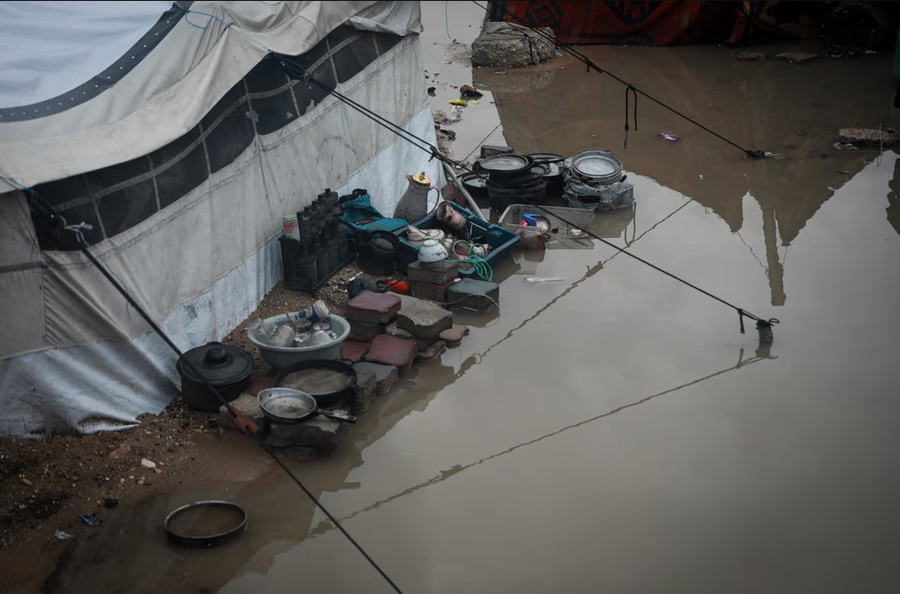
In Gaza City, residents piled their remaining belongings onto any elevated ground they could find, in an attempt to prevent them from being flooded.
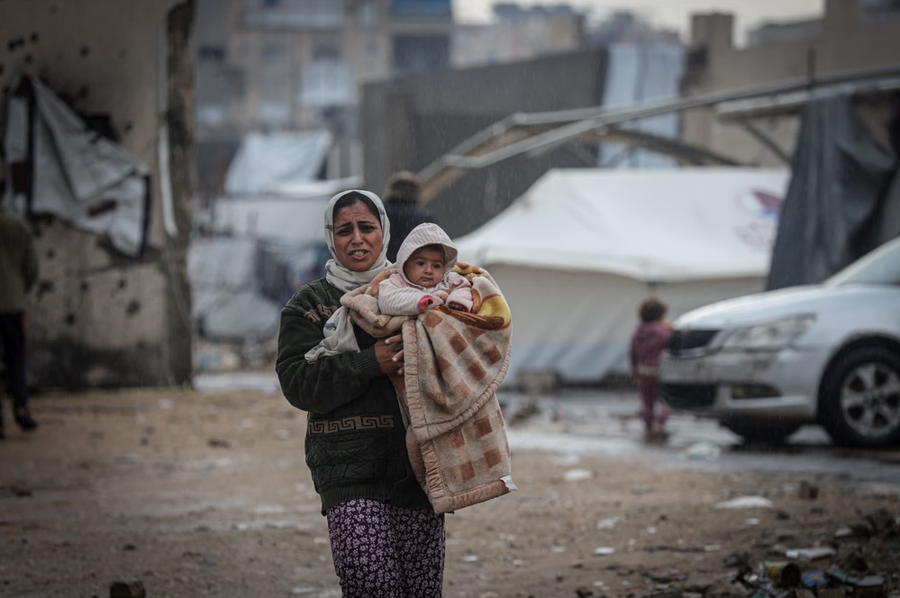
Fears are growing for the health of the many young, old and vulnerable, who are exposed to the elements. Palestinian officials said at least 300,000 tents are urgently needed for the approximately 1.5 million people who are still displaced.
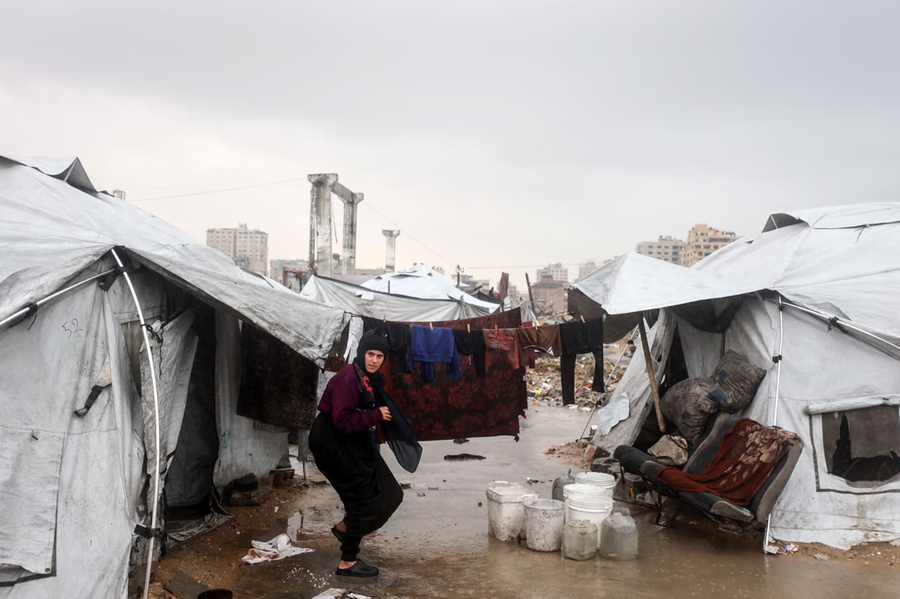
The floods have overwhelmed rudimentary sewage systems in coastal areas such as Deir al-Balah. The World Health Organization said more than 4,000 people live in high-risk coastal areas, with 1,000 people directly exposed to storm surges from the sea.
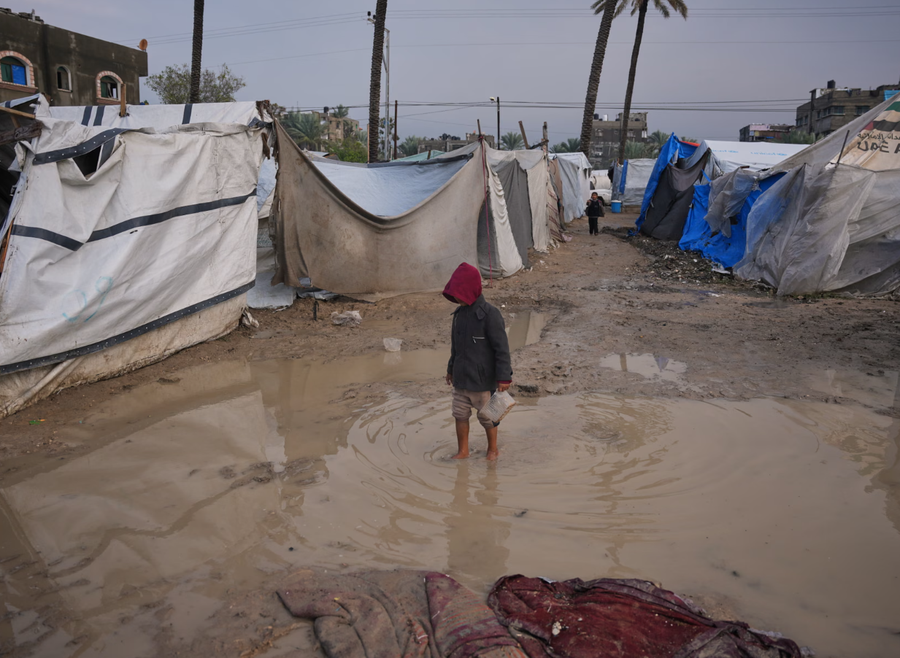
As storms batter Gaza, fears grow of a surge in deaths from exposure and pollution epidemics. WHO representative Rik Peeperkorn said: "Thousands of families have taken shelter in these low-lying, garbage-filled coastal areas, without drainage or protective barriers, with piles of garbage everywhere along the roads."






Edhe zoti është kundër tyre. Është e shkruar në bibël. OKB është thjesht një shushunjë që siç tha Trump në fjalimin e tij, njëherë tha ngrohje globale, pastaj the ftohje globale dhe tani thotë ndryshime klimatike. Hahahaha