


 Shkruar nga Pamfleti
US intensifies military action against Iranian forces to restore freedom of navigation...
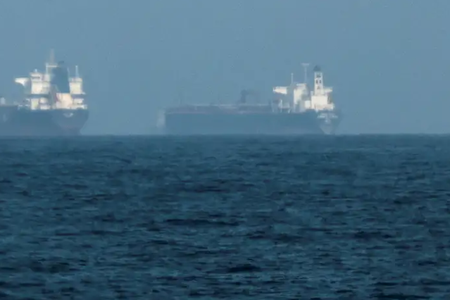
The United States has intensified operations to reopen the Strait of Hormuz, sending low-flying attack aircraft to strike Iranian naval vessels and Apache helicopters to shoot down Iranian drones, according to the Wall Street Journal.
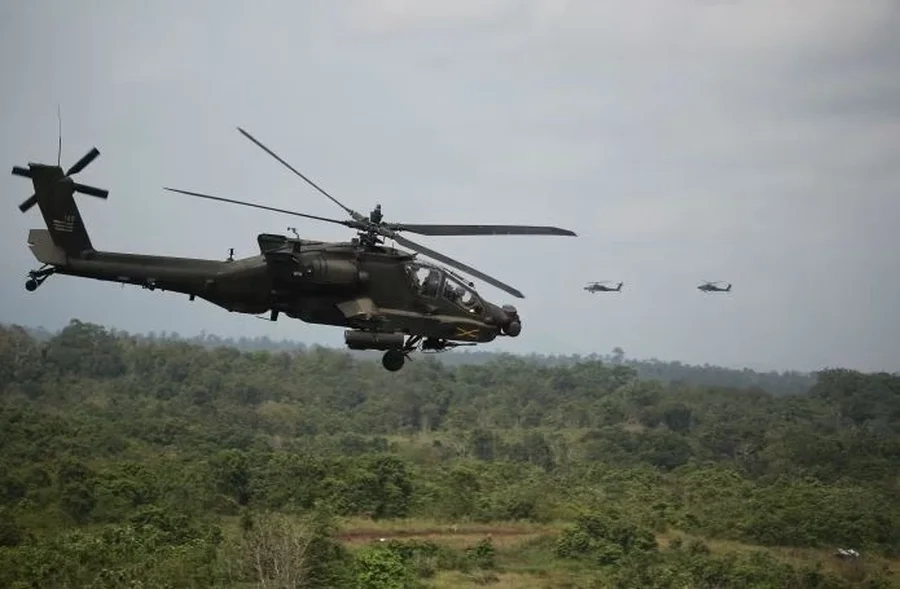
The US and its allies have stepped up efforts to open the strait, sending low-flying aircraft over the sea lanes to destroy Iranian warships and Apache helicopters to neutralize Iran's deadly drones, US military officials said.
The expanded operation is part of a multi-pronged Pentagon plan to reduce the threat from Iranian armed vessels, naval mines and cruise missiles, which have disrupted maritime traffic since early March. If the threat diminishes, the U.S. could send warships through the strait, as President Donald Trump has pledged to do, and then escort ships entering and leaving the Persian Gulf.
However, according to the Wall Street Journal, it is likely to take weeks to neutralize the Iranian strategic networks that have caused major disruptions in a key hub that processes about 20% of global oil exports and a significant portion of commercial shipping. The de facto closure of the strait has pushed Brent crude prices above $100 a barrel, temporarily reaching $119 before closing at $108.65, up 1.2% on Thursday, and has forced the Trump administration to grapple with the economic fallout of the conflict that began on February 28 in support of Israel.
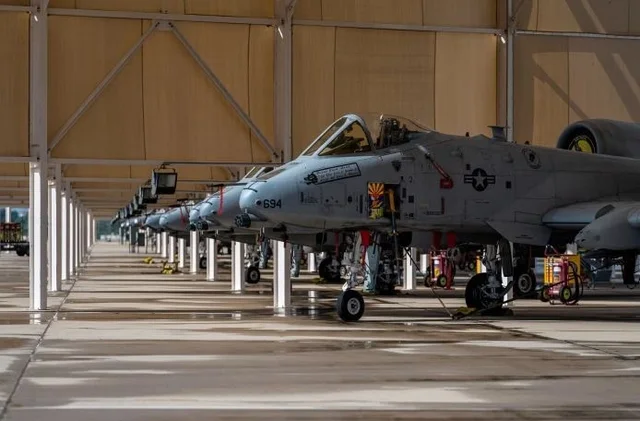
Gen. Dan Caine, chairman of the Air Force Joint Chiefs of Staff, announced the operation at a Pentagon news conference on Thursday. He said A-10 heavy attack aircraft, known as the “Warthog,” along with Apache helicopters, are operating over the strait and off the southern coast of Iran. “The A-10 Warthog is now engaged throughout the southern part, striking fast attack craft in the Strait of Hormuz,” he said.
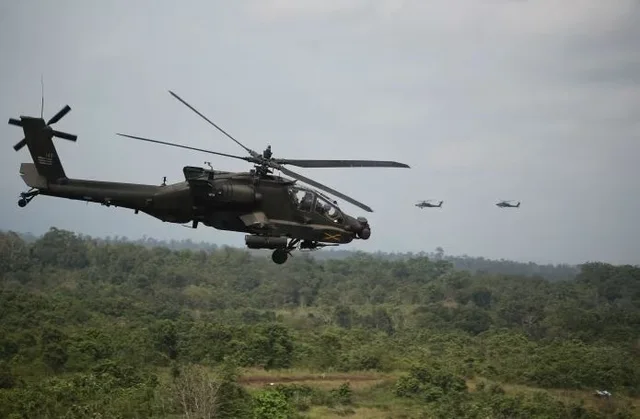
He added that the Apache "are involved in fighting in the southern part."
Caine also stated that some allies, without identifying them, use Apaches to counter "unidirectional drones," one of the most effective weapons that Iran has used to strike neighboring Arab states and their energy infrastructure in the Persian Gulf.
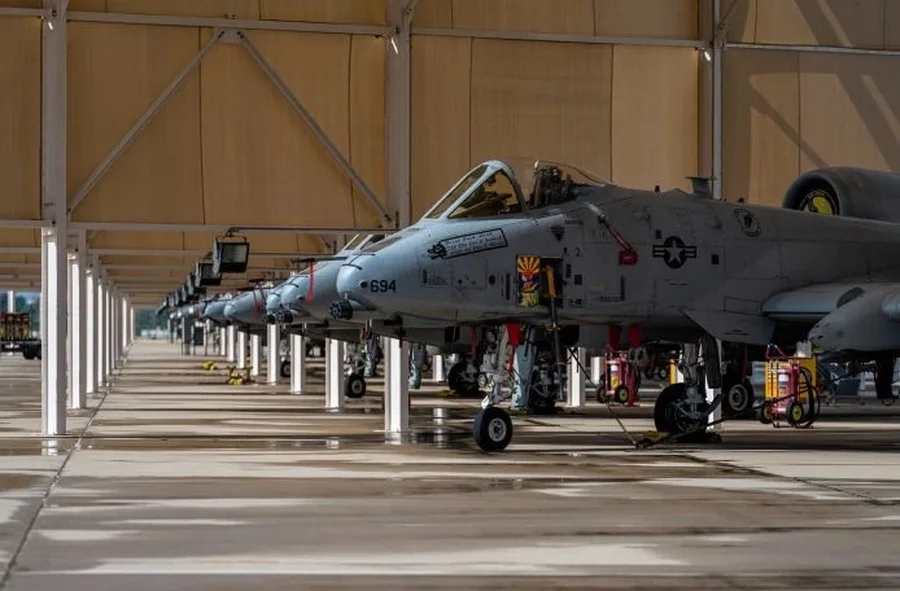
According to a U.S. official, both A-10 jets and Apache helicopters have been destroying Iranian fast attack craft harassing merchant shipping in the strait for several days. Fighter jets already in the region could also help neutralize these craft and missile threats, but air reinforcements are intensifying the campaign.
The US is also striking bases and fortified cruise missile systems operated by the Islamic Revolutionary Guard Corps, the paramilitary organization that oversees the defense of the strait along with the Iranian navy, which has its own fleet of attack vessels. According to Defense Secretary Pete Hegseth, the strikes have damaged or destroyed more than 120 Iranian warships.
However, Iran is believed to still have a large arsenal of naval mines, cruise missiles mounted on trucks and hundreds of intact devices hidden in underground installations along the coast and on islands. Iranian defense expert Farzin Nadimi said it would take weeks to achieve a level of security that allows for sustainable operations in the strait.
Iran has attacked dozens of ships in the area, often using small unmanned vehicles with explosives or aerial drones. Several other ships have been hit with missiles in the Strait of Hormuz, the Gulf of Oman and the Persian Gulf.
Control of the strait has taken on new significance as Iran has begun drawing up plans to allow passage to select ships, while parliament in Tehran is considering a law to impose transit fees. This could create opportunities for Iran to exploit its strategic position to strike deals with energy-dependent countries in the region.
According to security analyst Dan Kitrinovich of the Atlantic Council, this situation could create a form of forced dependency for states seeking access to Gulf energy. He noted that even after the fighting ends, it is unclear whether this dynamic will change significantly.
The Strait of Hormuz, with a width of only 38 kilometers at its narrowest point, remains an area where cruise missiles can be launched from hundreds of kilometers away and hit naval targets.
Meanwhile, Iran-allied Houthi rebels in Yemen waged a two-month campaign of attacks on international shipping last year with missiles, drones and unmanned aerial vehicles. The US struck more than 1,000 targets in Yemen but failed to completely halt the attacks until a ceasefire was declared in May.
According to reports, a rapid reaction unit of about 2,200 US Marines is en route to the Middle East, where it could play a role in reopening the strait, including taking control of islands off the southern coast of Iran. /Adapted from Pamphlet /





Lini një Përgjigje