


 Shkruar nga Davide Malacaria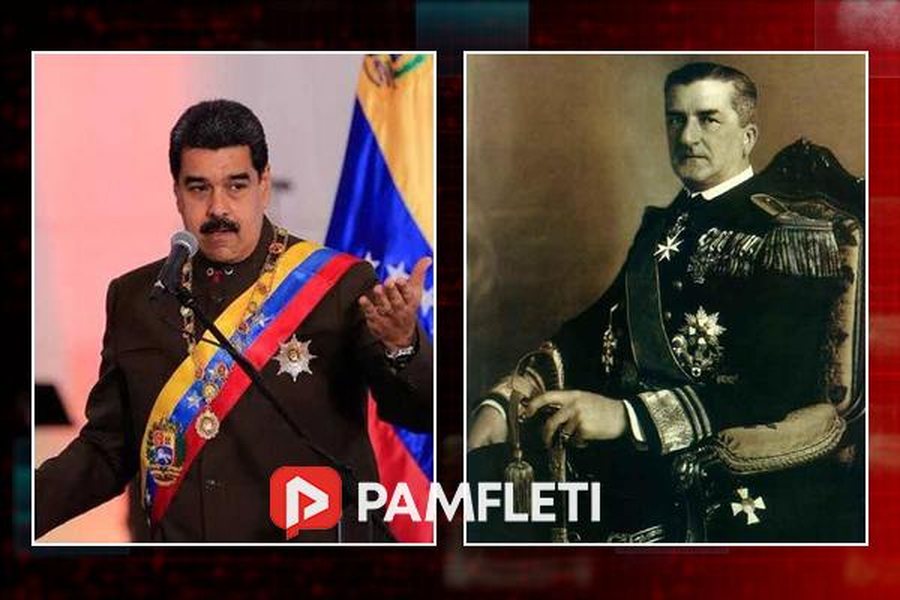
When the Nazis kidnapped Admiral Miklós Horthy...
What happened in Venezuela has a not-so-honorable historical precedent: in October 1944, the Nazis arrested the regent of Hungary, Admiral Miklós Horthy, shortly after the armistice he had signed with the Soviet Union.
In a blitzkrieg ordered by Hitler, Horthy was neutralized to restore Hungary's subservience to the Axis and force it to continue the war. Although Horthy urged his men not to resist, there was a brief exchange of fire. Few casualties, an arrested regent, and a state in submission.
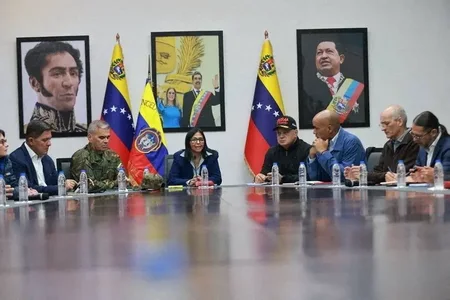
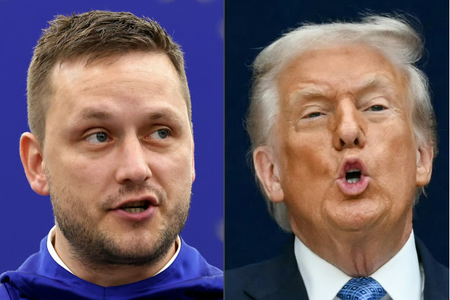
But unlike Hungary at the time, in Venezuela, the Chavista government has remained standing, currently led by Vice President Delcy Rodríguez. A detail that should not be underestimated. As in the cases of attacks on Iranian nuclear facilities, President Trump immediately declared victory, declaring that Rodríguez would cooperate with the US in the exploitation of the country's resources by American corporations. For Trump, the future of Venezuela is clear: "We will govern it."
This perspective seems to have been completely out of line with the expectations of Senator Marco Rubio, the initiator and fierce promoter of this intervention. Especially after the “cold shower” that President Trump gave to Maria Corina Machado, the favorite figure of the opposition and American neoconservatives to lead the country. Trump treated Machado as another Guaidó: “She has no support and no respect in her country.” This, despite the fact that Rubio had nominated Machado for the Nobel Peace Prize and had maintained constant contact with her political circle.
Even the Washington Post, which had long promoted American intervention, openly criticized the President for excluding Machado from the post-Maduro scenario.
For her part, Delcy Rodríguez, strongly condemning American aggression and new imperialism, called for the release of the kidnapped president, but expressed her willingness to establish "respectful relations" with the US, within the framework of Venezuelan law and the constitution.
It should be noted that before the intervention, Maduro himself had expressed his willingness to open the country to American investment. The possibility of an agreement is not closed, but it is clear that the US wants to condition this opening on Maduro's final departure.
However, it is clear that even after his abduction, the US is nowhere near having real or sustainable access to Venezuela’s reserves. Any escalation of the situation – whether through military intervention or regime change – could produce complete instability, moving the possibility of controlling the country’s resources further away, rather than closer.
Gjithçka duket si një kapitull i ri i “doktrinës Monroe 2.0”, të cilën Trump e ka përqafuar haptazi. Rrëmbimi spektakolar i Maduro-s ishte një mesazh i drejtpërdrejtë për të gjitha vendet e Amerikës Latine që nuk janë të përkulura ndaj Uashingtonit – me emra të përveçëm: Kuba dhe Kolumbia.
Një ndërhyrje e ngjashme në Kolumbi do të zhyste të gjithë kontinentin në kaos. Kjo është arsyeja pse SHBA mund të presë zgjedhjet e majit 2026, ku presidenti aktual i Kolumbisë, Gustavo Petro, shihet si jo shumë favorit.
Sa i përket Kubës, historia është më komplekse. Edhe pse regjimi i Díaz-Canel është dobësuar ndjeshëm, kthimi i Kubës në një fitore për Marco Rubio mbetet një ëndërr e largët, që nuk dihet nëse do të bëhet ndonjëherë realitet. Madje, në horizont është rikthyer edhe Groenlanda, që sërish ka hyrë në objektivin e Trump-it.
Operacioni i Venezuelës besohet se është mundësuar nga infiltrimi i CIA-s, ndonëse një ndërhyrje e tillë është e pamundur pa tradhti nga brenda ose një shkallë e lartë e papërgatitjes nga ana e forcave venezuelane, të cilat prej muajsh ishin në gatishmëri.
Burime ushtarake të cituara nga media italiane “Strana” pohojnë se askush nuk tentoi të rrëzonte helikopterët amerikanë që fluturonin mbi Caracas, ndonëse sistemet ajrore venezuelane konsiderohen ndër më të sofistikuarat në rajon. Nuk ka asnjë shenjë që SHBA i ka çaktivizuar këto sisteme, një veprim që do të kërkonte një sulm të gjerë raketor, gjë që nuk ndodhi.
Një tjetër analizë sugjeron se suksesi ushtarak në Venezuelë mund të përforcojë qëndrimin e ashpër të Trump ndaj Ukrainës, megjithëse presidenti aktual nuk dëshiron të rrezikojë një përballje të drejtpërdrejtë me Rusinë dhe kërkon që lufta të përfundojë përpara zgjedhjeve për Kongresin, për të favorizuar republikanët.
Në Moskë qarkullojnë spekulime se operacioni në Venezuelë mund të ketë qenë pjesë e një “marrëveshjeje të heshtur” mes Rusisë dhe SHBA, ku amerikanët i bëjnë presion Zelenskyt, jo Kremlinit. Por këto janë vetëm teori të pakonfirmuara, me përjashtim të një videoje të vjetër ku Zhirinovsky deklaronte: “Trump do të marrë Venezuelën, dhe ne do të marrim Ukrainën”.
Fakt është që SHBA nuk e ka marrë Venezuelën, por e ka rrëmbyer liderin e saj, Nicolás Maduro. Fati i tij mund të jetë ndonjë formë internimi, në Rusi apo Kinë, pas një gjykimi të paracaktuar në SHBA. Edhe nëse ky ishte një skenar i koordinuar mes palëve, mbetet për t’u parë nëse mund të funksionojë, apo do të zhysë Venezuelën në një krizë të re.
Mjafton të kujtojmë marrëveshjen e dështuar mes Biden dhe Putin për një sulm “blic” në Ukrainë që do të shmangte një luftë të gjatë, por që përfundoi në katastrofën që po shohim sot.
Ministri i Jashtëm rus, Sergej Lavrov, telefonoi menjëherë Delcy Rodríguez-in për të dënuar ndërhyrjen dhe për të kërkuar de-përshkallëzim. Kujtojmë se vetëm pak javë më parë, Rodríguez ishte në Moskë për të nënshkruar marrëveshjen e partneritetit strategjik mes dy vendeve.
The new year has begun with uncertainty and the shadow of conflict. In Ukraine, the appointment of Kyrylo Budanov as Zelensky’s chief of staff was seen as a signal of a possible resolution to the conflict. Then came Venezuela. And Maduro’s only message after the kidnapping: “Happy New Year.” /Adapted by “Pamphlet” from “Inside Over”


Lini një Përgjigje