


 Shkruar nga Pamfleti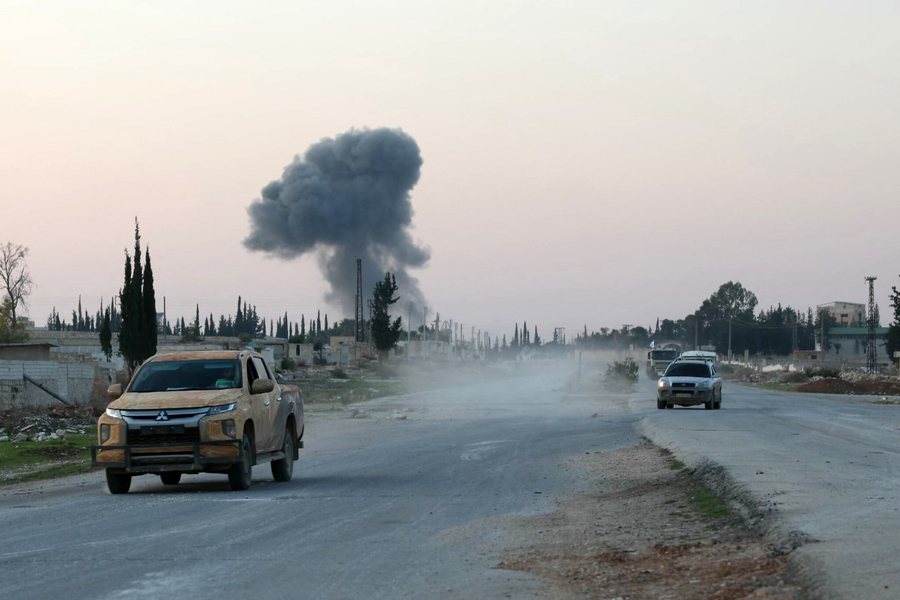
This is a big blow to the government, as it shows that its grip on power is fragile...
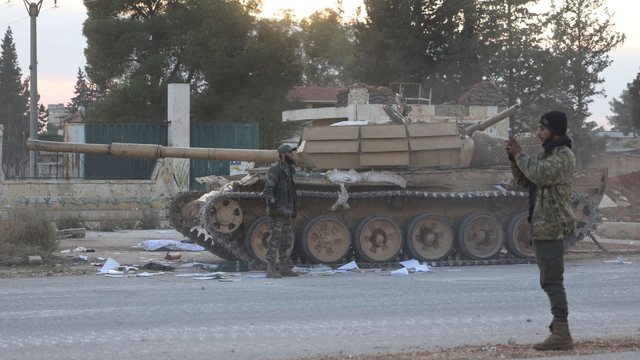
Rebel forces on Wednesday launched their biggest offensive against the Syrian government in years. They have taken control of "large parts" of the country's second largest city, Aleppo.
The surprise offensive brought the first Russian attacks on Aleppo since 2016 and saw Syria's army withdraw its troops from the city.
The attack was led by the Islamist militant group Hayat Tahrir al-Sham (HTS) – which has a long history in the Syrian conflict.
It seemed to be a conflict frozen in time, but the operation launched at high speed by Syrian opposition fighters turned everything upside down. This offensive is also a powerful reminder of the complexity of the Syrian conflict.
If rebel forces continue to push into Syria and mount a wider offensive, then we will see its political and military significance.
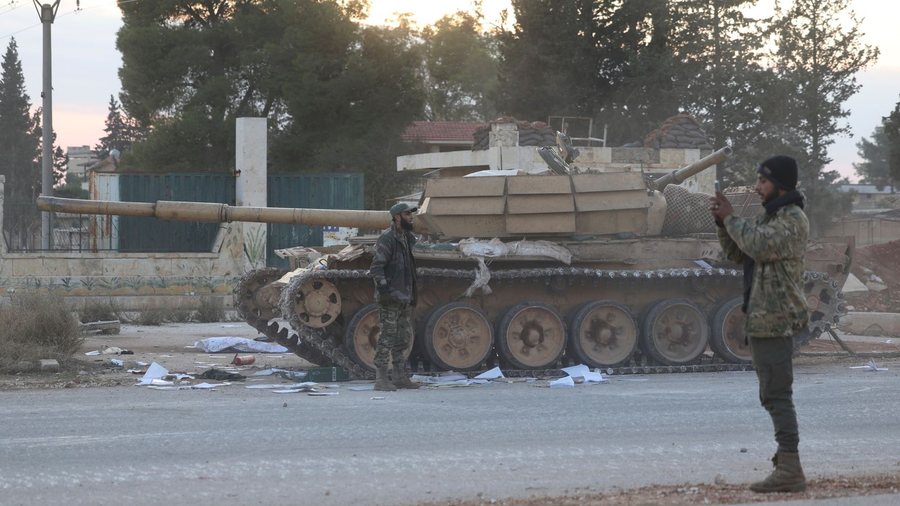
Aleppo was once the country's largest city, a key battleground in the civil war and a stronghold for the regime. This is a major blow to the government, as it shows that its grip on power is fragile.
The major offensive against the Syrian government also shows that the rebels have the determination and military capability to challenge the regime's authority in key strategic areas.
The rebels comprise many different groups that have been fighting the regime since the start of the Syrian uprising. The largest is Hayat Tahrir al Sham, which controls most of the opposition-held northwestern territory.
This group was linked to the Al Qaeda terrorist group, but has renounced these links.
Officially, the offensive began as a way to stop regime airstrikes in opposition-held territory. Even the rebels themselves are surprised by the government's lack of resistance and how successful it has been for them. The Syrian government described it as a "large-scale terrorist attack" while vowing to reverse the losses.
Why did it happen right now?
President Bashar al-Assad would most likely have lost the war had he not been rescued by the Russian air force and the Iranian Revolutionary Guards, as well as the support of militant groups - including Hezbollah.
Russia is fighting for resources in Ukraine and has diverted its air force. Iran and its proxies have been hit by Israel for trying to exploit the carnage of the October 7 Hamas attack on Israel.
The question now is whether the opposition fighters will be able to stand their ground and consolidate their position or perhaps launch further attacks.
At the moment, the situation remains unstable and uncertain.
The progress certainly challenges the established order, but it is not yet clear whether this is a setback for the regime, or the beginning of a major escalation phase / Adapted "Pamphlet" from "Sky News"




Lini një Përgjigje