


 Shkruar nga Pamfleti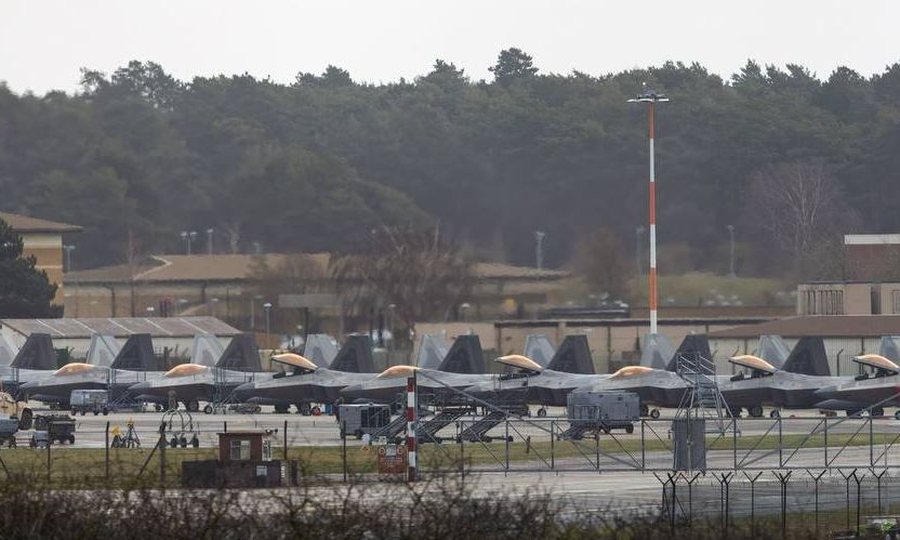
Negotiations in Geneva, public warnings from the White House and the relocation of F-22, F-35 aircraft and the aircraft carrier "Gerald Ford" near the Strait of Hormuz...
The Middle East is entering a new phase of diplomatic and military escalation following statements by US President Donald Trump and documented movements of US forces in the region. Trump's announced 10-15 day deadline for a nuclear deal with Iran is accompanied by a significant increase in US air and naval presence in Jordan, Greece and the strategic corridors of the Gulf.
Deadline announced by Trump
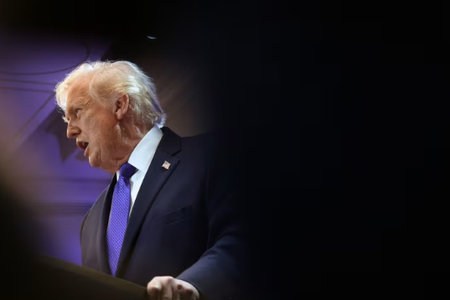
During the inaugural meeting of the Peace Council, Donald Trump declared that he was giving Iran “10 to 15 days, maximum” to reach a nuclear deal that he described as “substantial.” He added that in the absence of a deal, “bad things will happen.”
Vice President JD Vance stated that the Iranian side has not accepted the “red lines” set by the US administration. White House Press Secretary Caroline Leavitt stressed that diplomacy remains the first option, but the administration is prepared to take action if Tehran does not agree to a verifiable halt to uranium enrichment.
US special envoy for the negotiations, Steve Witkoff, in an interview with Fox News, stated that President Trump is wondering why Iran has not "put down its weapons" in the face of the increased US military presence in the region. According to him, Washington expects an official declaration from Tehran that it does not seek nuclear weapons and concrete steps to prove this.
The February 17 talks in Geneva
On February 17, US and Iranian delegations held a round of talks in Geneva on the nuclear program. Iranian Foreign Minister Abbas Araqchi stated that the parties agreed on “guiding principles” and that an Iranian counterproposal could be prepared within 2-3 days for approval by the top authorities in Tehran.
The White House clarified that there are still fundamental differences, including on the level of uranium enrichment, Iran's missile program and the sanctions relief mechanism. Araqchi warned that military action would directly complicate reaching an agreement.
These statements indicate that negotiations remain open, but with a visible gap on key technical and political issues.
Relocation of air and naval forces
In parallel with the negotiations, the US has increased its military presence in the region. According to posts published on the X platform, about a dozen F-22 aircraft passed through the United Kingdom on their way to the Middle East. F-35s, A-10s, refueling aircraft and special operations vehicles have been identified in the Gulf of Souda in Greece.
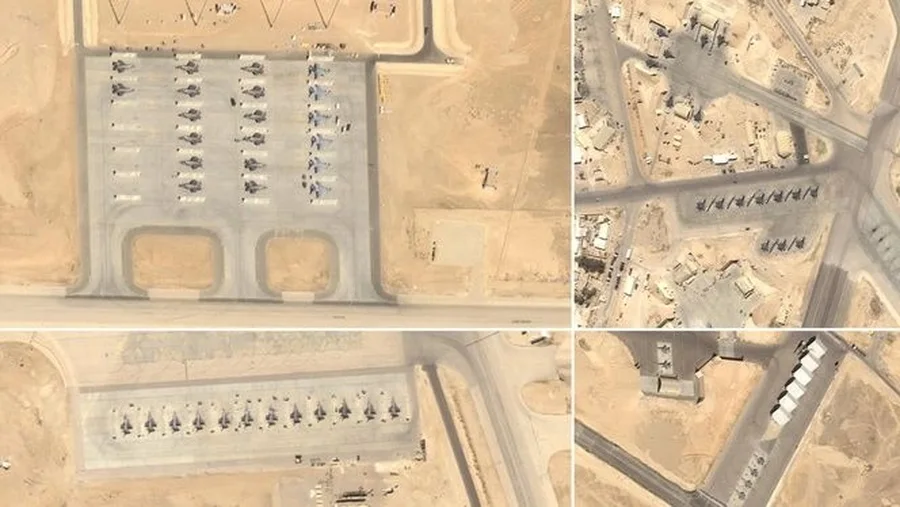
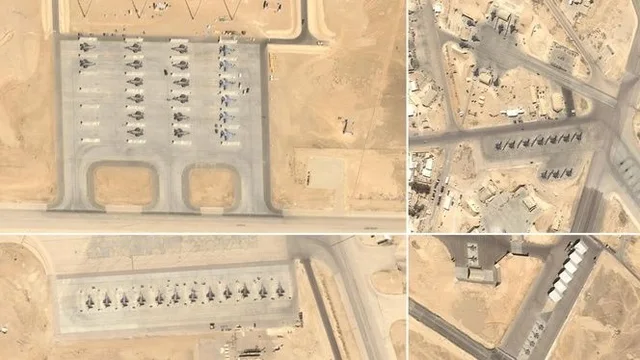
The French newspaper Le Monde, citing satellite images from Planet Labs and Airbus, reported that the concentration of US forces is reaching levels not seen since the invasion of Iraq in 2003.
On February 18, satellite imagery from Planet Labs showed 30 aircraft at Muwaffaq Salti Air Base in Jordan, including Growlers, F-15s and F-35s. On February 20, according to imagery released by Airbus, the number rose to 59 aircraft.
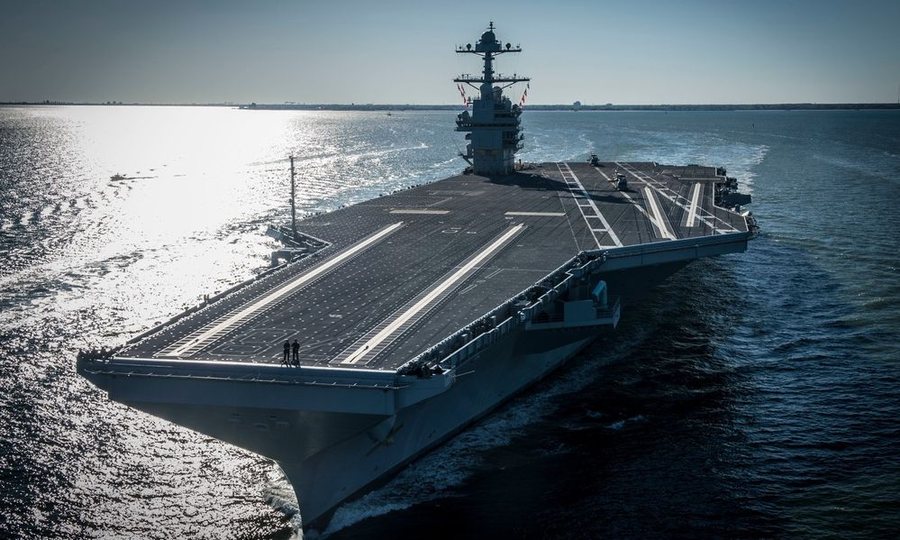
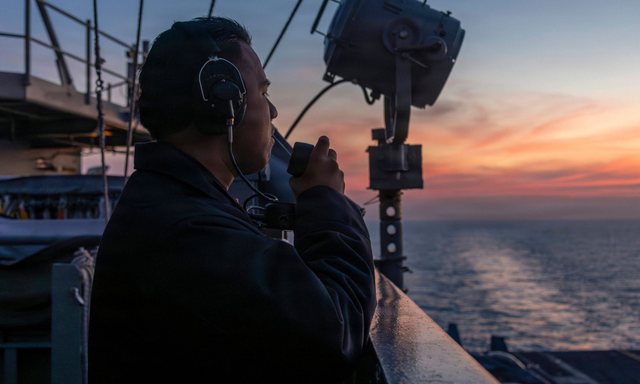
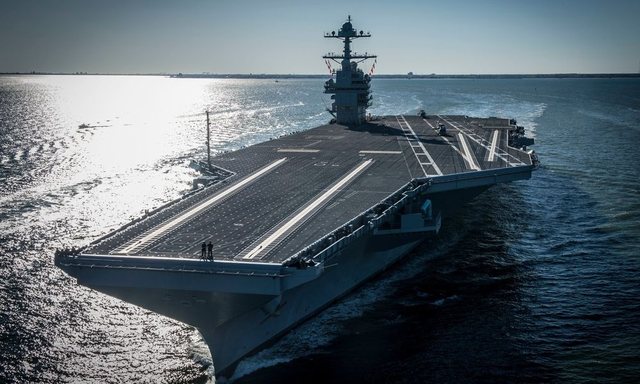
The aircraft carrier "Gerald Ford", considered the largest and most modern in the US fleet, is expected to arrive in Suda and on February 26 pass through the Strait of Hormuz, a key point for global oil transportation.
Analyst Seth Jones from the Center for Strategic and International Studies told the Associated Press that the US is focusing mainly on air and naval capabilities, without any significant deployment of large ground troops.
Diplomatic pressure and strategic message
The Trump administration is taking a two-pronged approach. On the one hand, it is holding negotiations in Geneva and seeking a formal declaration of nuclear disarmament. On the other hand, it is moving military capabilities to strategic points near Iranian territory and in maritime corridors that control global energy flows.
The 10-15 day deadline narrows the space for compromise and increases pressure on Tehran. The concentration of fighter jets in Jordan, the presence of assets in the Suda, and the planned passage through the Strait of Hormuz show that public warnings are accompanied by concrete operational preparations.
Developments in the coming days, including the Iranian counter-proposal and further movements of the US fleet, will determine whether the ultimatum announced by Trump will be met with a new nuclear agreement or a new phase of confrontation in the region. / Pamphlet /





Lini një Përgjigje