


 Shkruar nga Pamfleti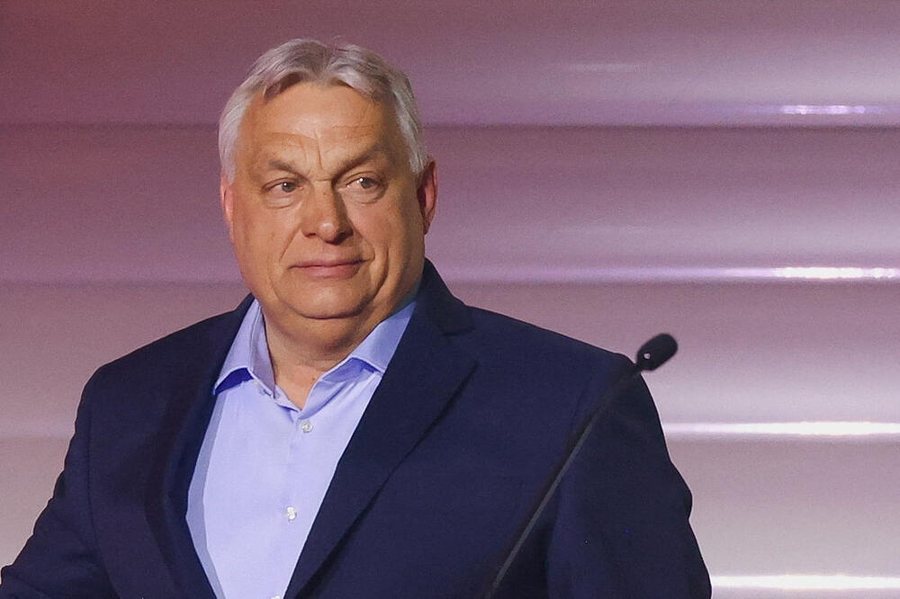
After the electoral defeat, the system he built begins to disintegrate, while he shows no public remorse.
Viktor Orban is facing the ruins of his political project. The system he built over the years is starting to fall apart, while his political and personal future remains uncertain. He continues to see himself as the leader of the "national camp."
When Orban first lost power in 2002, he experienced a deep personal crisis. At the time, he commented on the narrow defeat with the words: "The homeland cannot be in opposition!"
According to this view, only he and his party could represent the interests of the Hungarian nation. This idea became deeply rooted in public opinion.
This experience prompted Orbán, after returning to power in 2010 with a two-thirds majority, to build the “national cooperation order” (NER), with the aim of avoiding a similar defeat in the future. He changed the electoral system in favor of his Fidesz party, built a clientelistic network, a surveillance apparatus and a powerful propaganda machine. This system helped him stay in power for 16 years, according to an analysis by Deutsche Welle.
For this reason, the recent electoral defeat was unthinkable to him until election night on April 12. However, the result was so severe that Orbán, unlike his reaction 24 years ago, was initially almost speechless and appeared shocked.
He withdrew from public life for several days. Later, in an interview for the YouTube channel “Patriota”, he spoke of “pain and emptiness”, while warning at the same time “resistance to the destruction of what we have built”. As a mistake of his government, he mentioned only the failure to implement the expansion of the Paksh nuclear power plant, planned with the help of Russia.
In Hungary, public opinion is asking questions about his future and the system he built: will he remain in politics, is his career over, and what will happen to the Fidesz party and the network of interests associated with it.
After 16 years in power, many citizens feel liberated and are demanding change. However, Orbán has shown no remorse or accepted responsibility for the accusations of corruption and abuse of power.
He has given up his mandate as an MP, but has not resigned from the leadership of Fidesz, stating that he is “ready for the community” if asked. A decision on this is expected to be made at the party congress in June.
Analysts point out that Fidesz is deeply attached to his figure: without Orbán, the party risks disintegrating; with him, it remains identified as a structure criticized for authoritarianism and corruption.
In the meantime, he seems to be waiting for developments before making any decisions about his future. Scenarios such as fleeing to the US for asylum are considered unlikely, as they would severely damage his political legacy and family interests.
His family members and close associates own considerable wealth, while recent reports speak of suspicious financial movements among oligarchs associated with him, although without confirmed evidence.
Within Fidesz, reactions to the loss are varied, but so far there is no analysis that directly mentions corruption and abuse of power as the main factors in the defeat.


Lini një Përgjigje