


 Shkruar nga Luke Coffey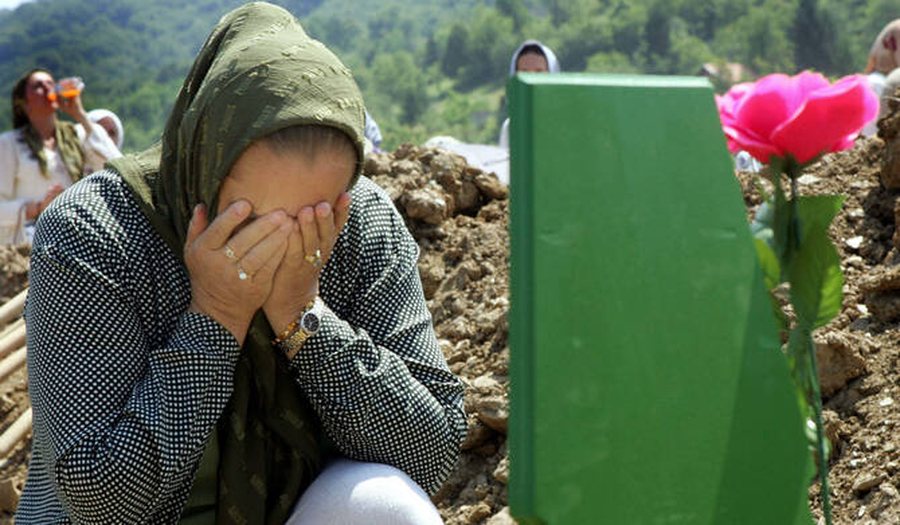
The Balkan region, especially Bosnia, is facing serious internal challenges and external influences that threaten its fragile stability. Preserving the hard-won peace requires continued commitment and institutional reform from the international community and local leaders...
Last week marked the anniversary of the Srebrenica genocide of July 1995. It is estimated that in just 12 days, ethnic Serb forces killed more than 8,000 Bosnian Muslim men and boys, while an estimated 30,000 women and children were displaced and many women were subjected to sexual violence.
This remains one of the darkest chapters in modern European history, and new revelations about this period continue to emerge. For example, late last year, prosecutors in Milan, Italy, opened an investigation into the so-called “Sarajevo Safari,” in which wealthy foreign businessmen allegedly paid large sums of money to Serbian soldiers for the opportunity to fire on civilians in Sarajevo from the hills above the city.
In 2024, the UN General Assembly adopted a resolution designating July 11 as the International Day of Reflection and Remembrance of the 1995 Srebrenica Genocide.
This year, commemorations were held at the UN and in communities around the world. In Srebrenica, a mass burial was held at the Srebrenica-Potočari Memorial Center for 10 newly identified victims, whose remains are now buried in the memorial cemetery.
More than three decades later, thousands of people are still haunted by the horrors that occurred. The Balkans remain a source of concern for policymakers, because the possibility of instability, and even renewed violence, never seems far away.
Perhaps the epicenter of the region's geopolitical challenges is Bosnia and Herzegovina. It emerged from the breakup of Yugoslavia in the 1990s, which sparked a bloody interethnic and interreligious conflict. Bosnia bore the brunt of the violence.
Apart from the Srebrenica genocide, it is estimated that Bosniaks made up the vast majority of the approximately 100,000 people killed during the Bosnian War. In November 1995, a peace agreement signed in Dayton, Ohio, reorganized Bosnia and Herzegovina as a single state.
single entity consisting of two entities: the Federation of Bosnia and Herzegovina, populated mainly by Bosniaks and Croats, and the Republika Srpska, which is mainly Serb.
Today, Bosnia and Herzegovina faces several serious internal challenges. The most important is the continued separatist ambitions of the Republika Srpska leadership. Such efforts have often received political support from neighboring Serbia and Russia, while most of the international community sees them as deeply destabilizing.
Po ashtu, ekziston shqetësimi se nëse do të shkëputet Republika Srpska, kjo mund të hapë “Kutinë e Pandorës” duke inkurajuar lëvizje të tjera separatiste anembanë Evropës dhe më gjerë për të kërkuar pavarësinë jashtë kornizave ligjore të vendosura.
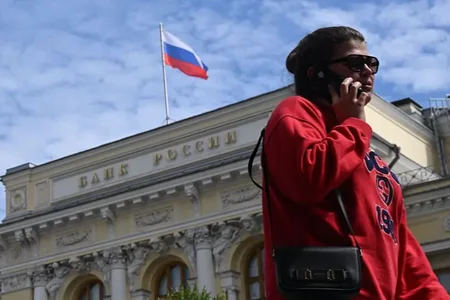
Këto shqetësime ndërlikohen nga përpjekjet e vazhdueshme të Rusisë për të përdorur Ballkanin Perëndimor si një burim paqëndrueshmërie për komunitetin transatlantik. Presidenti rus Vladimir Putin i trajton rregullisht udhëheqësit e Republikës Srpska si të ishin krerë shtetesh, duke i ftuar ata në Moskë për takime dypalëshe dhe ceremoni të profilit të lartë, përfshirë përkujtimin e këtij viti që shënon fundin e Luftës së Dytë Botërore.
Njëkohësisht, një debat tjetër politik me bazë sektare ka marrë hov mes komunitetit kroat të Bosnjës. Kroatët etnikë përbëjnë rreth 15 për qind të popullsisë së vendit dhe disa prej tyre kanë ripërtërirë thirrjet për krijimin e një entiteti të tretë krahas Federatës së Bosnjës dhe Hercegovinës dhe Republikës Srpska.
Ndonëse kroatët kanë shqetësime legjitime për përfaqësimin politik në nivel kombëtar, krijimi i një entiteti të tretë pothuajse sigurisht do të ishte destabilizues. Kur u negociua Marrëveshja e Dayton-it, udhëheqja kroate e Bosnjës nuk kërkoi një entitet territorial të veçantë.
Për më tepër, kroatët nuk janë i vetmi komunitet që përballet me mangësi në sistemin
politik të Bosnje Hercegovinës. Grupe të tjera pakicash, përfshirë hebrenjtë dhe romët, janë gjithashtu të përjashtuar nga përfaqësimi i plotë politik nën marrëveshjet e ndërlikuara të vendit për ndarjen e pushtetit mbi baza etnike.
Këto shqetësime legjitime nuk duhet të adresohen duke e rishkruar marrëveshjen e Dayton-it. Megjithëse reforma zgjedhore dhe përfaqësimi i përmirësuar politik meritojnë vëmendje serioze, krijimi i një entiteti të tretë pothuajse sigurisht do të përshpejtonte presionet separatiste në Republikën Srpska, do të minonte koherencën e shtetit boshnjak dhe do të ringjallte gjeografinë e rrezikshme politike të viteve 1990.
Në vend të rishkrimit të Marrëveshjes së Dayton-it, Bosnje Hercegovina duhet të fokusohet në ndërtimin e institucioneve që funksionojnë në mënyrë më efektive dhe që i përfaqësojnë më mirë të gjithë qytetarët e saj. Në vend të prezantimit të një decentralizimi edhe më të madh në një nga sistemet politike më të decentralizuara në botë, prioritet duhet të jenë reformat kuptimplota politike, kushtetuese dhe institucionale.
A ka qenë e përsosur Marrëveshja e Dayton-it? Sigurisht që jo. Por tani nuk është koha për ta braktisur atë. Brenda Bosnje Hercegovinës, në mbarë rajonin e gjerë apo mes komunitetit transatlantik, ka pak konsensus politik se çfarë duhet ta zëvendësojë atë.
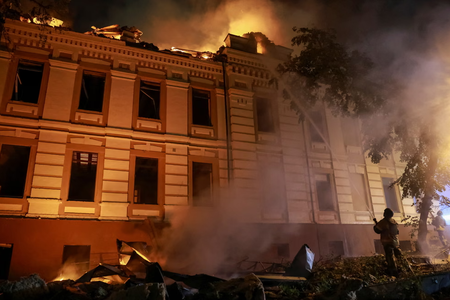
Duke pasur parasysh mjedisin e sotëm gjeopolitik, çdo përpjekje për të rihapur marrëveshjen e vitit 1995 do të ishte një shpërqendrim i madh në një kohë kur Evropa dhe Amerika e Veriut duhet të mbeten të bashkuara në adresimin e sfidave të tjera urgjente, veçanërisht luftës së Rusisë kundër Ukrainës.
It should also be remembered that, despite its shortcomings, the Dayton Agreement has preserved peace in Bosnia for more than three decades. What should be welcomed are internally driven reforms that meet the legitimate concerns of all Bosnian citizens, regardless of ethnicity, while simultaneously strengthening the country's democratic institutions and advancing its aspirations for NATO and EU membership.
Throughout modern European history, the Balkans have consistently shaped broader geopolitical events. The Balkan Wars of 1912-1913 helped create the conditions for the assassination of Archduke Franz Ferdinand in Sarajevo in 1914, which triggered World War I.
During World War II, developments in the region influenced the creation of socialist Yugoslavia and the complex role it later played during the Cold War. After the collapse of the Soviet Union, some of Europe's bloodiest conflicts in nearly half a century erupted in the Balkans, requiring continued American and European commitment to restore peace and stability.
Although the region is far from the bloodshed of the 1990s, this month's commemoration of the Srebrenica genocide should remind policymakers that the Balkans continue to matter. Maintaining peace there requires unwavering attention, sustained engagement and a commitment to preserving the stability that has been built, however imperfectly, over the past three decades./ Pamphlet by “Arab News”





Lini një Përgjigje