


 Shkruar nga Federico Rampini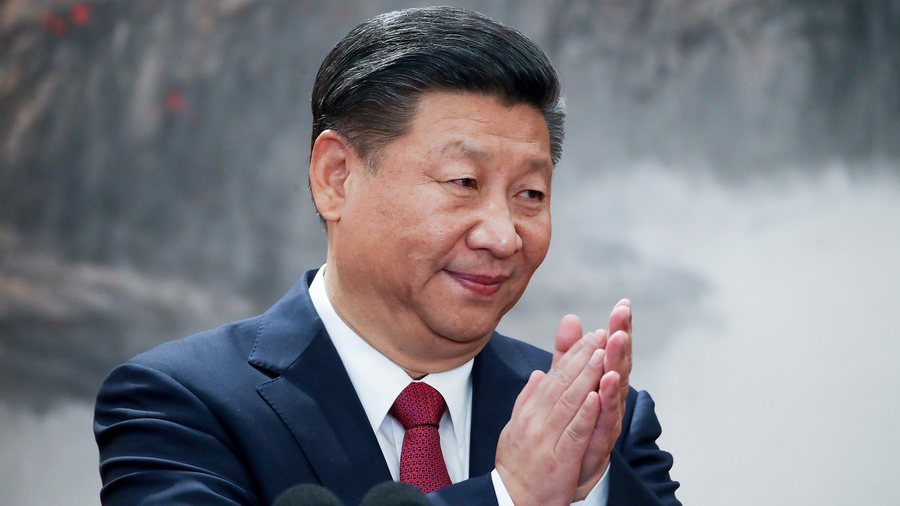
What does Xi Jinping have in store for America and the rest of the world?
On his Asian tour, Donald Trump is visiting some of America's historic allies, mainly Japan and South Korea, and on Thursday he will meet with the leader of China, the country's number one rival. It is clear that this American president has the same destabilizing influence in Asia as he has in Europe. He is challenging alliances in an attempt to rebalance relations on the military and trade fronts. Therefore, he could open up opportunities for a rival like China, even if the theory of its "fatal attraction" to autocrats has so far not translated into anything concrete.
With everyone’s attention disproportionately focused on what Trump says and does, China’s strategy is less studied and discussed. Beyond the obvious defensive measures to reach a deal with Trump, limiting the damage of American protectionism, what does Xi Jinping have in store for America and the rest of the world?
His predecessors, from Deng Xiaoping to Hu Jintao, adopted a cautious and measured foreign policy. To reassure foreign partners, they used seductive phrases: globalization as a “win-win game,” a game of positive sums where everyone benefits; international relations as a “harmonious” system; Chinese growth as “peaceful.” But since his rise to power more than a decade ago, Xi has been notable for abandoning modesty and embracing a more nationalistic language.
To give you a glimpse of the authentic Chinese vision, today I offer you the theory of an authoritative scholar closely linked to the regime: Jin Canron, author of an essay with the obvious title: "Why China's Rise May Not Be Peaceful." He belongs to the school of what Chinese diplomats have called the Wolf Warriors, a new generation of ambassadors trained to be aggressive.
Jin Canron is a hawkish theorist within the Communist Party, often the most representative of Xi’s thinking. This speech was brought to my attention by a trio of contemporary China experts I follow: Thomas des Garets Geddes, James Farquharson, and William A. Callahan. Jin Canron himself has previously distinguished himself by attacking the so-called “pacifist” wing within the party, whose influence he seeks to eradicate from the elite.
The main points of his position are these:
1. If China wants to create new global norms and institutions, violence will likely be necessary, history shows that this almost always happens.
2. From a diplomatic perspective, Beijing's choice to use the term "peaceful development" is pragmatic, so as not to arouse concern in other states.
3. However, an exclusive emphasis on peace is at odds with the reality of what may be necessary for China's rise. While peace is preferable to war, denying the possibility of conflict is self-deception: it limits China's future strategic options.
Here are some excerpts from his essay:
"Indeed, among today's great powers, China is the one that most firmly adheres to the path of peaceful development, it is its fundamental national policy. However, today we face a problem: in human history, cases of great powers emerging peacefully are very rare.
Human nature has both a rational and an irrational side. Throughout history, the rise of almost all great powers has been accompanied by war: the United States is no exception. In 1898, the United States deliberately provoked a conflict by declaring war on Spain and invading Cuba, Guam, the Philippines, and other territories. It is surprising that Spain, at the time, was largely in agreement with the US demands and was willing to bow or bow down at the behest of the US, one might say, completely submissive. However, the United States chose to teach it a harsh lesson.
Given all this, whether China can achieve national reunification and the great rebirth of the Chinese nation without resorting to war remains, frankly, an open question. On certain issues, we may have no choice but to demonstrate our strength.
My view of history is this: violence is the fundamental logic of historical movement. What distinguishes humans from animals is the possession of institutions, but the creation of institutions is ultimately inseparable from violence. Economic activity takes place within the framework of institutions, and all economic behavior must conform to political norms; otherwise, it reverts to primitive economic forms.
For China to emerge, it must create its own institutions and norms within the international community. However, history shows that the creation of new institutions and norms is almost always accompanied by violent measures. Can China really escape this historical pattern? I have my doubts. The Chinese are also human beings, and no matter how capable they are, they cannot transcend the fundamental laws of human society. We will naturally try to rely on our diligence and ingenuity to achieve development, but on issues of fundamental national interest, we must also be willing to flex our muscles when necessary.
Në fazën fillestare të reformës dhe hapjes (reforma dhe hapja është përkufizimi i Deng Xiaopingut për politikat pas vdekjes së Maos: kalimi në një ekonomi tregu dhe rritja e tregtisë së jashtme, red.) ne promovuam konceptin e "zhvillimit paqësor". Më pas, me arritjet e zhvillimit, të paktën një pjesë e bashkësisë ndërkombëtare filloi të njohë realitetin e Ngritja e Kinës. Por nëse do të vazhdonim të theksonim thjesht "zhvillimin paqësor", do të bëhej gjithnjë e më e vështirë të adresonim shqetësimet e jashtme në lidhje me fuqinë në rritje të Kinës.
Pikërisht në këtë kontekst, disa studiues vendas propozuan konceptin e "ngritjes paqësore". Thënë thjesht, brenda kornizës së përgjithshme të "zhvillimit tonë paqësor", ne e njohim realitetin e "rritjes" së Kinës, ndërsa theksojmë natyrën e saj "paqësore". Megjithatë, në atë kohë, shumë diplomatë të rangut të lartë e kundërshtuan atë, duke argumentuar se ishte një veprim i pamatur: termi "ngritje" ishte shumë provokues dhe mund të rriste lehtësisht tensionin dhe vigjilencën në bashkësinë ndërkombëtare. Prandaj, qeveria qendrore ndaloi së përdoruri termin dhe u kthye te formula e "zhvillimit paqësor".
Në realitet, duket më shumë si një përpjekje vetëmashtruese për të shmangur konfliktin. Duke pasur parasysh interesat tona të vërteta, nuk mund të garantojmë absolutisht që Kina mund të ngrihet në mënyrë paqësore. Së pari duhet të pranojmë faktin e ngritjes së Kinës, duke e bërë të qartë gjithashtu se do të angazhohemi me ndërgjegje për ta arritur atë në mënyrë paqësore. Megjithatë, nuk duhet të bëjmë premtime absolute për "ngritjen paqësore". Në fund të fundit, çdo premtim absolut rrezikon të na lidhë duart.
Konsideratat e mësipërme janë thjesht mendimet e mia të përkohshme. reflektime—një shkollë mendimi e ofruar për referencë. Mos më keqkuptoni: Unë nuk kam ndërmend të propagandoj për luftë.
Pse Kina moderne mbeti prapa në shekujt 19 dhe 20? Pse kaq shumë vende arritën ta pushtonin atë? Pse Japonia guxoi të niste një luftë agresioni në shkallë të plotë? Arsyeja themelore është se forca industriale e Kinës në atë kohë ishte shumë më e ulët se ajo e Perëndimit. Pas themelimit të Republikës Popullore në vitin 1949, udhëheqësi Mao Ce Dun e identifikoi saktë këtë kontradiktë qendrore dhe i kushtoi energji të madhe industrializimit, duke krijuar në fund të fundit sistemin më të madh industrial në botë. Pikërisht sepse kemi ndërtuar këtë bazë gjithëpërfshirëse industriale, nuk kemi më frikë nga asnjë kundërshtar.
Today, we must further consolidate our industrial advantages and, based on this strong production capacity, develop more advanced military and technological capabilities. We have repeatedly asked Japan to reflect on its history, but since it refuses, so be it. If conflicts arise between China and Japan in the future, we will resolve them with absolute force. /Adapted from Corriere/







Lini një Përgjigje