


 Shkruar nga Pamfleti
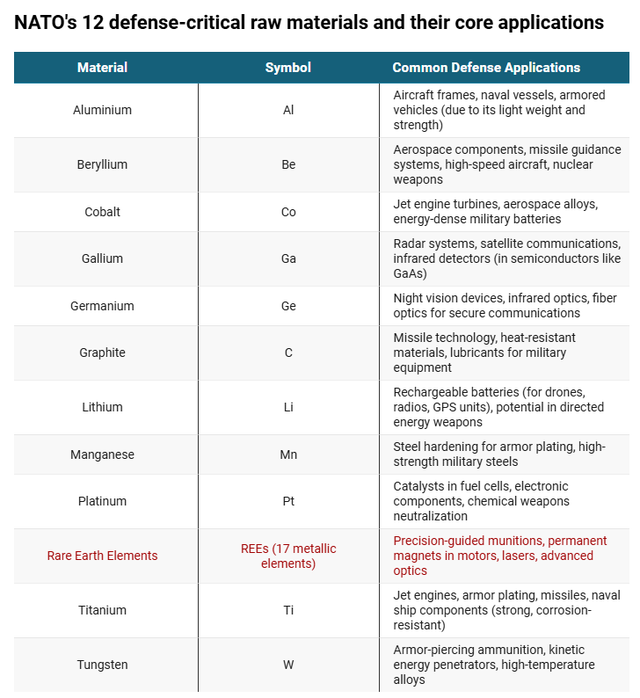
The European Commission's latest list of critical raw materials, published in 2023, lists 34 materials vital to the bloc's economy, 12 of which NATO also considers essential for defense.
Rare earth minerals are small in volume but powerful enough to redraw the map of global security. As rearmament and defense plans multiply, in Brussels and European capitals, the push for these minerals has become critical to protecting Europe's defense industries and making them war-ready.
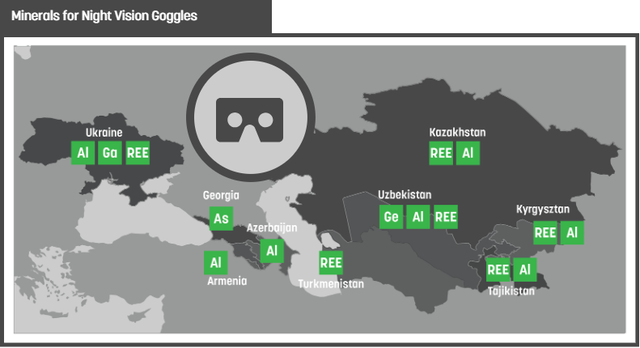
The resources have significantly influenced modern warfare technology and will continue to shape the future of military readiness in the air, sea and space. They are hidden in everything from precision-guided munitions to night-vision optics. But China’s near-total monopoly on the production of rare earth minerals and Russia’s control over other critical raw materials are likely to jeopardize Europe’s ambitious defense plans.
China's 'Trump' card
In April, after a long dispute with the US over batteries and electric vehicles, as well as record-high tariffs imposed on Chinese products, China finally hit Washington and Brussels right where it hurts.
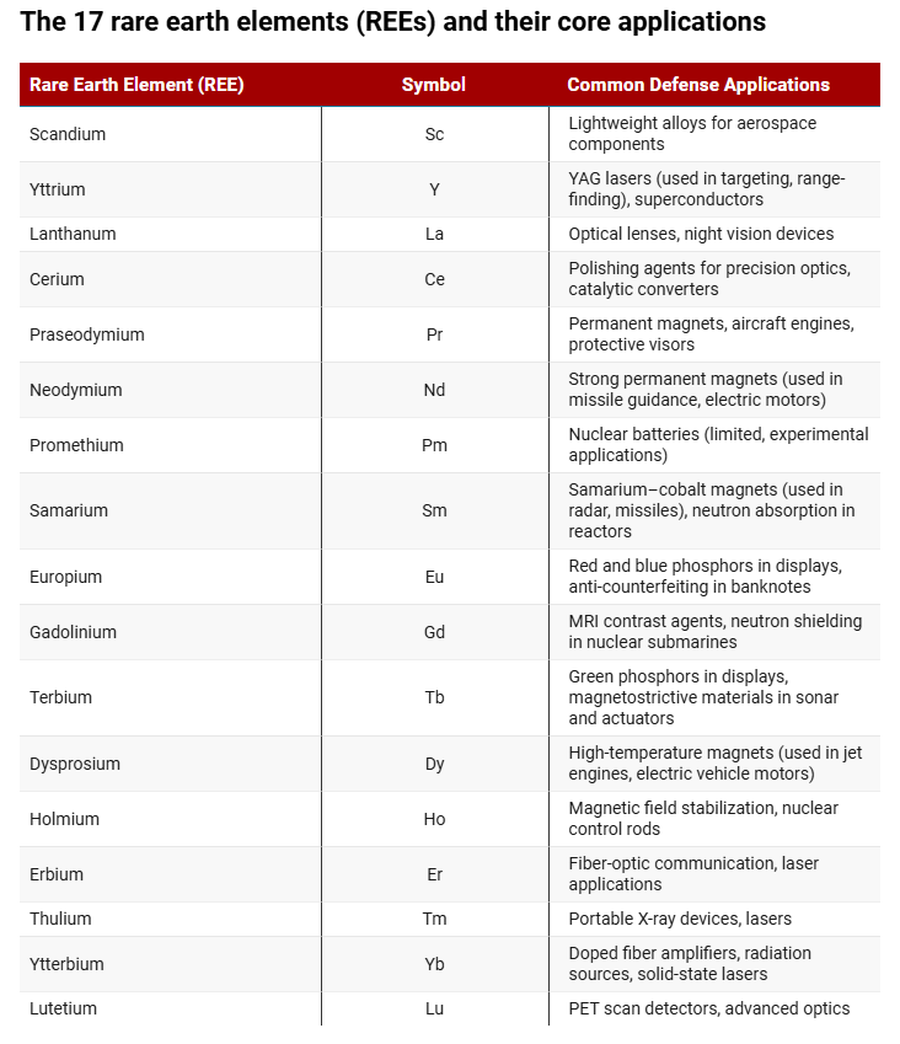
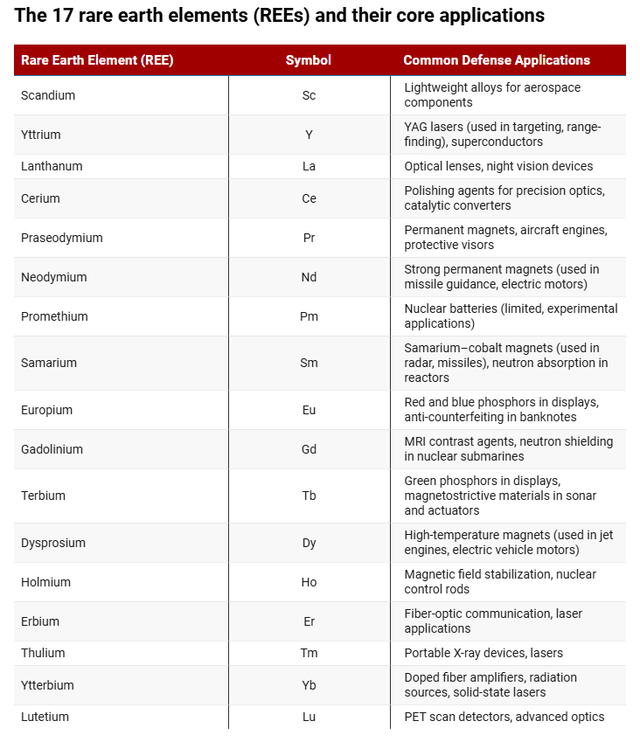
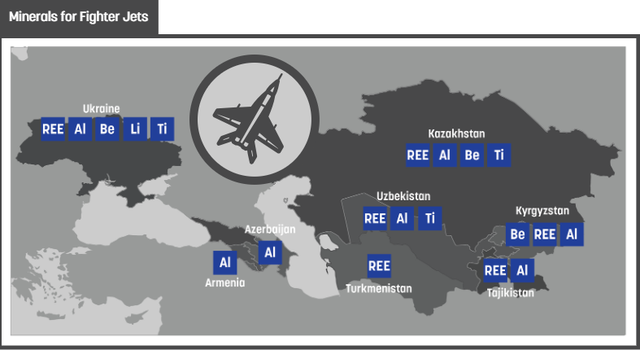
Beijing did not grant export approvals for seven of the 17 rare earth elements (REE) and magnets, samarium, gadolinium, terbium, dysprosium, lutetium, scandium and yttrium, used by NATO allies to operate fighter jets and missile systems.
Unlike other materials, REEs are not found in large, concentrated quantities and are often mixed with other elements, which makes them not only complex but also costly to extract and process.
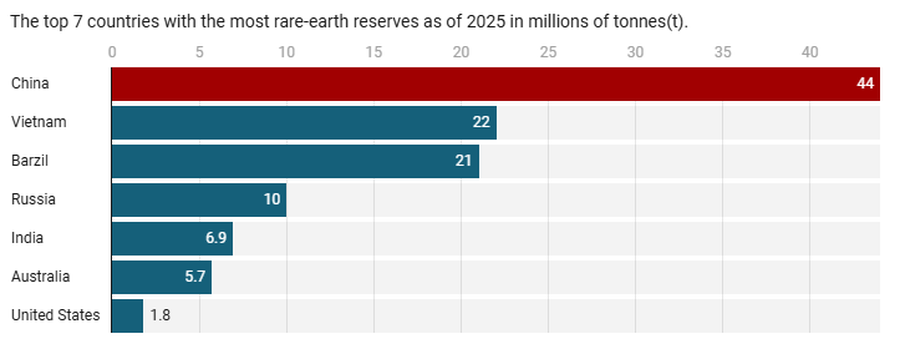
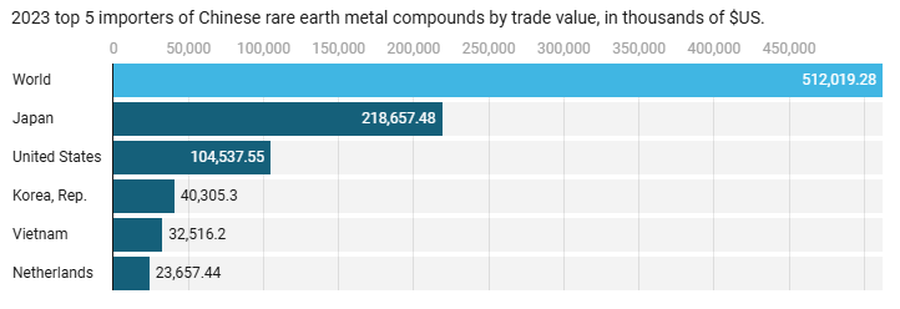
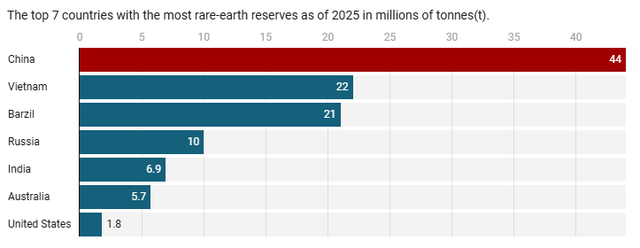
As a result, whoever controls the processing has a significant market advantage. This is the case of China, which has invested heavily in it since the 1980s, leaving the rest of the world still struggling to catch up to this day. By 2023, Beijing controlled approximately 60% of global rare earths production, more than 85% of the processing capacity and held about 30% of the world's known reserves, solidifying its position as the leading supplier to the critical minerals industry.
Military materials and applications
The European Commission's latest list of critical raw materials, published in 2023, lists 34 materials vital to the bloc's economy, 12 of which NATO also considers essential for defense.
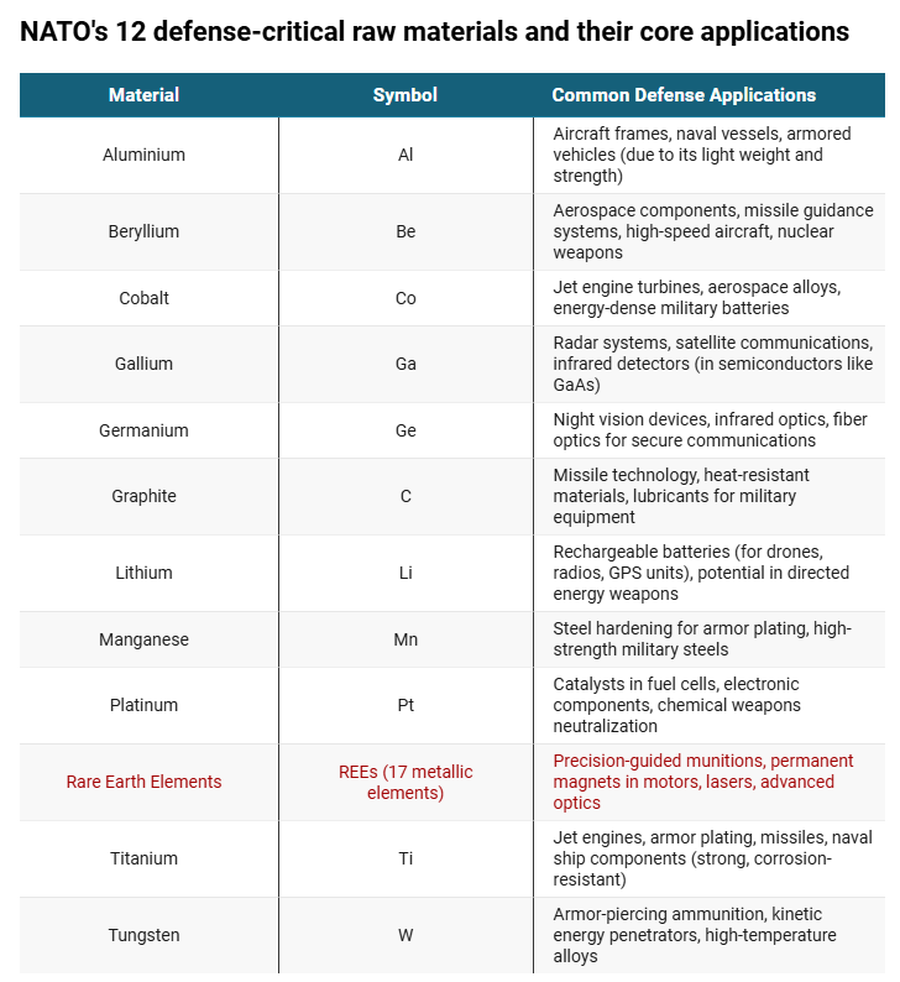
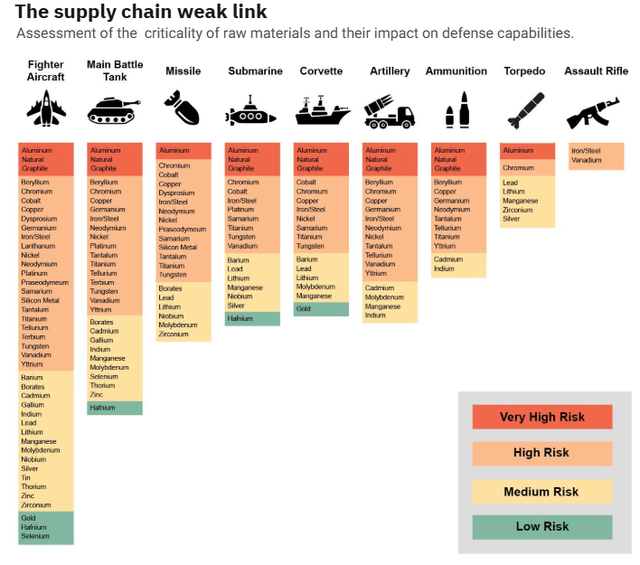
For the military, the criticality of materials lies on a spectrum, ranging from 'low risk' to 'very high risk', depending on how essential they are to operations and how likely it is that their supply will be disrupted.
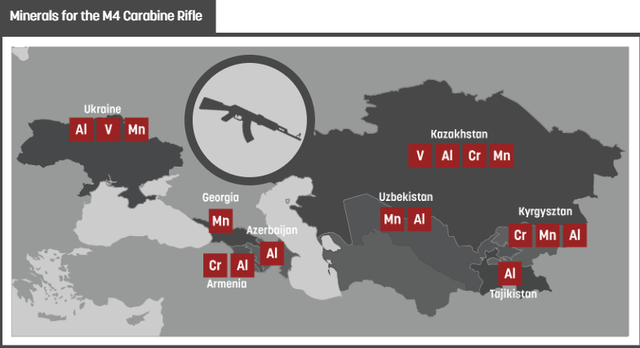
Graphite and aluminum, for example, are most commonly used in military applications and are considered 'high risk'.
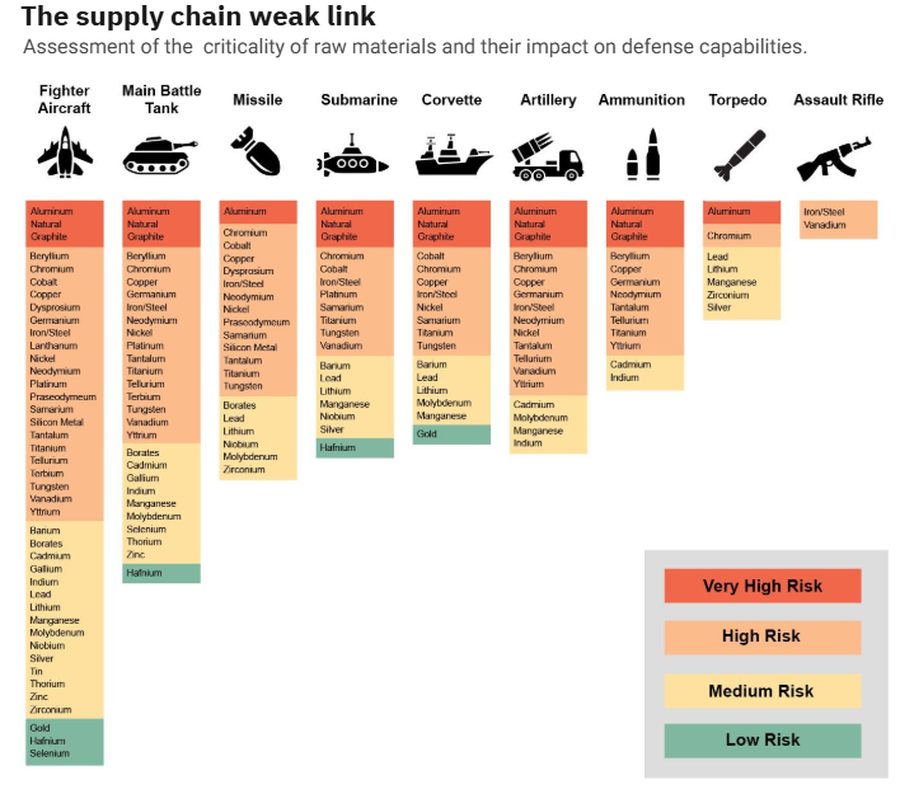
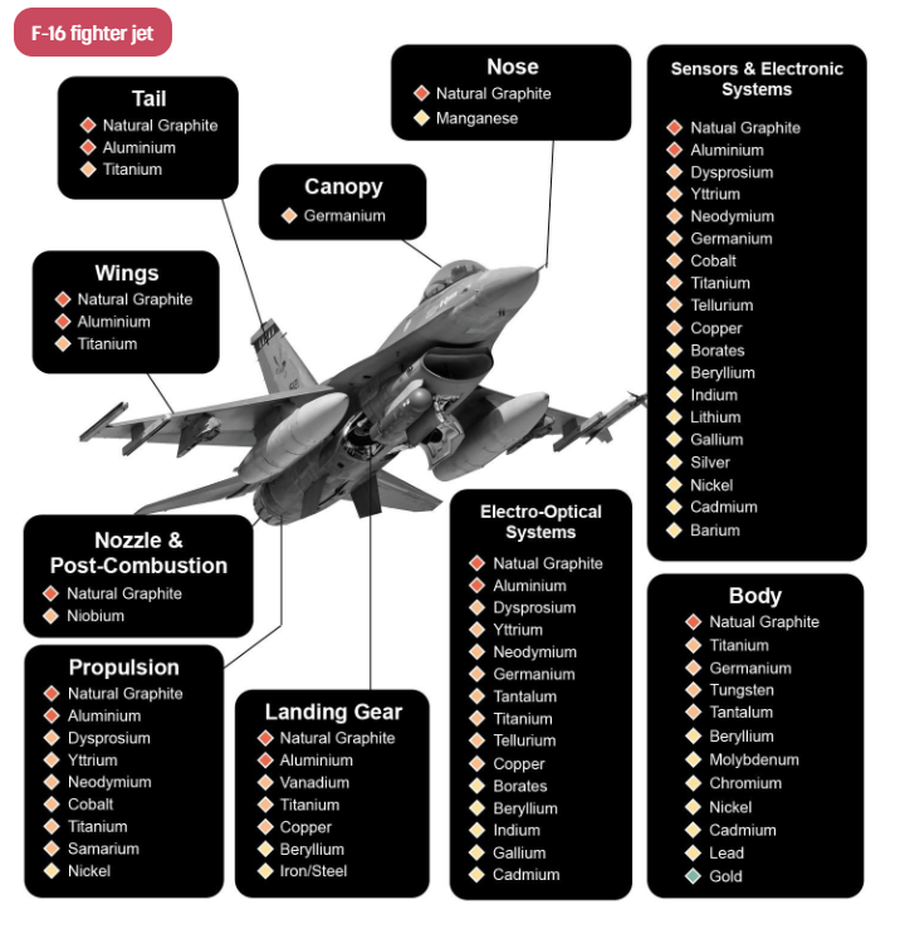
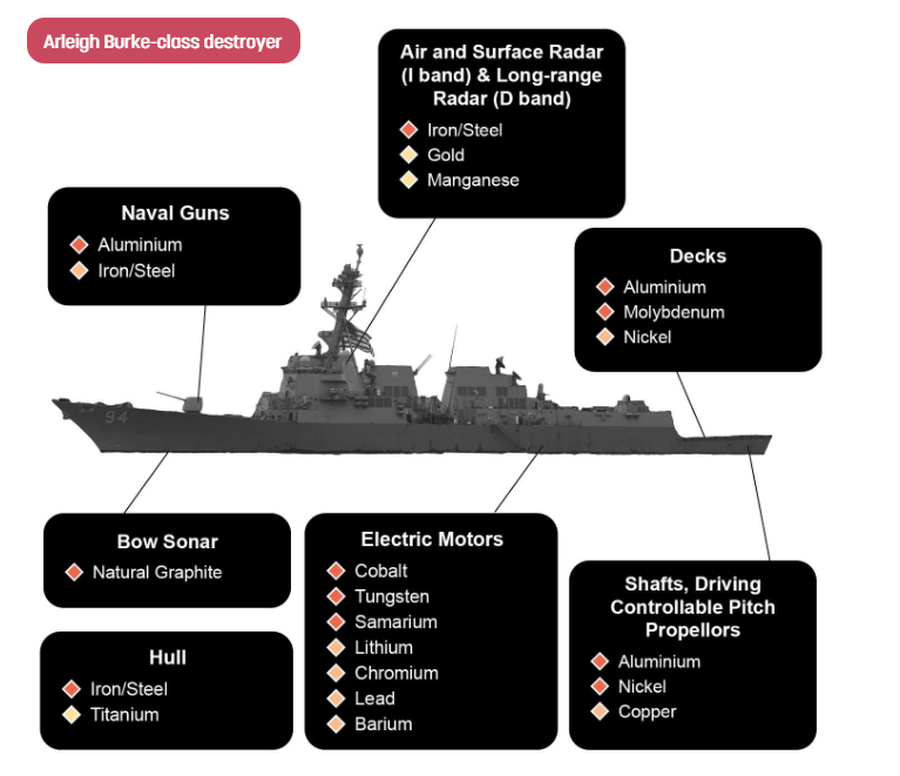
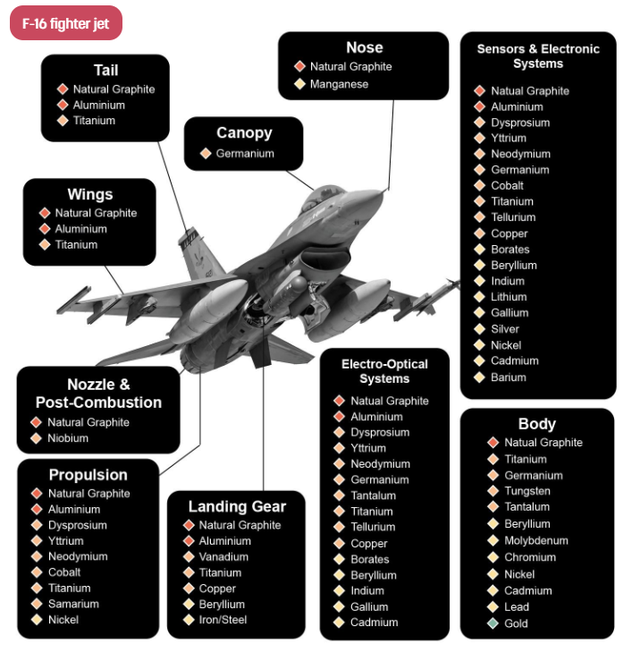
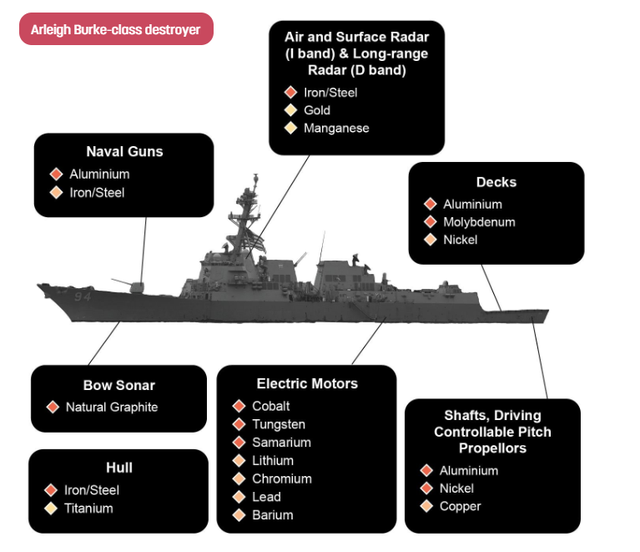
In addition to raw materials, REEs also play a crucial role in the composition of military equipment. According to the Center for Strategic and International Studies (CSIS), an F-35 fighter jet contains more than 900 pounds of REEs, while a DDG-51-class destroyer uses approximately 5,200 pounds, and a Virginia-class submarine requires nearly 9,200 pounds.
-Alternatives
While Brussels has invested money in domestic mineral production, it remains far from meeting the mineral resources needed by its military and industry.
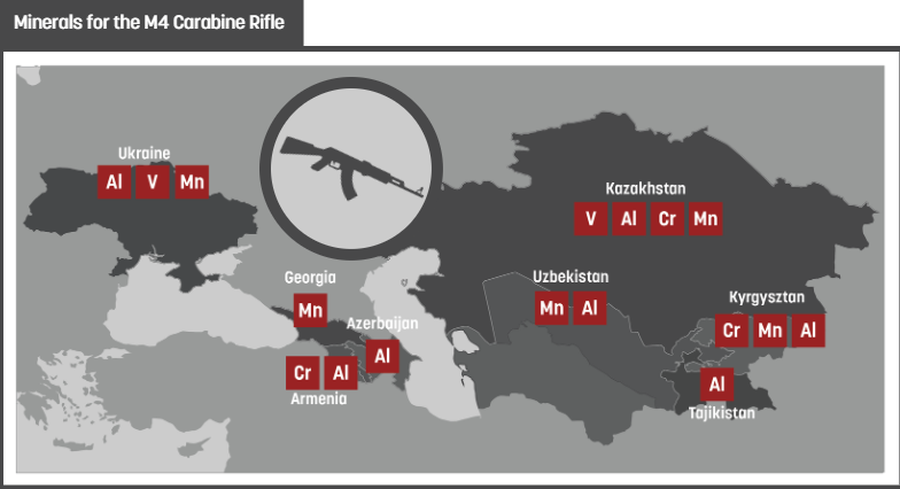
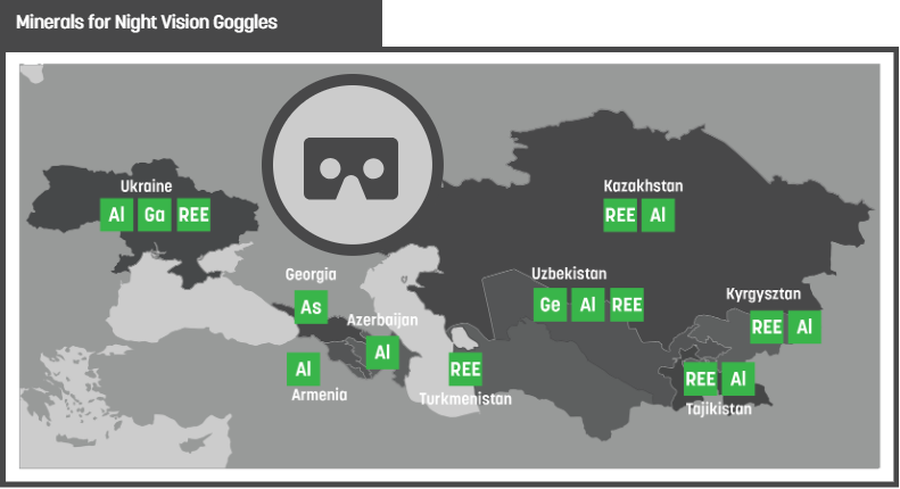
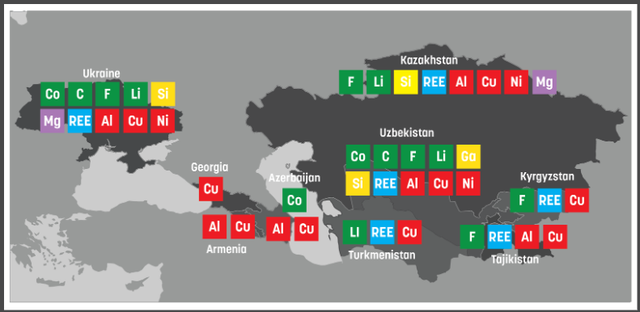
In the short term, only supply chain diversification, through partnerships with resource-rich regions such as Central Asia, the Caucasus, and Ukraine, offers a way out.
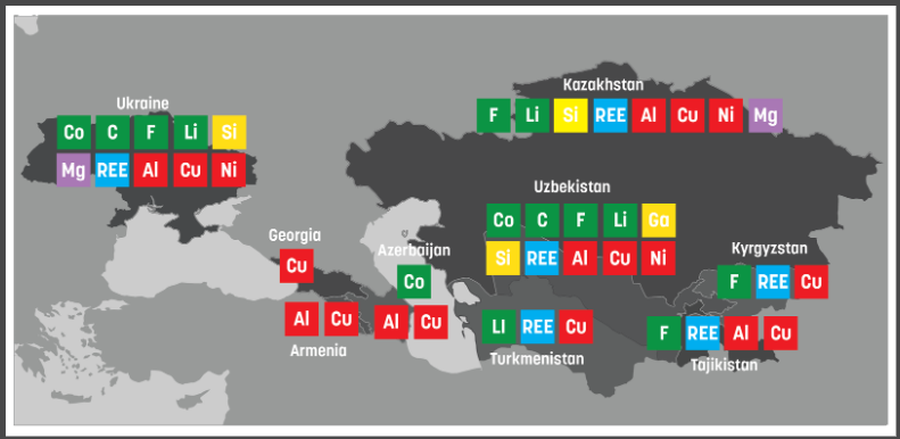
Central Asia, for example, has many mines already in operation. Ukraine, by contrast, has fewer active sites and an underdeveloped infrastructure, while also facing the constant threat from Russia.
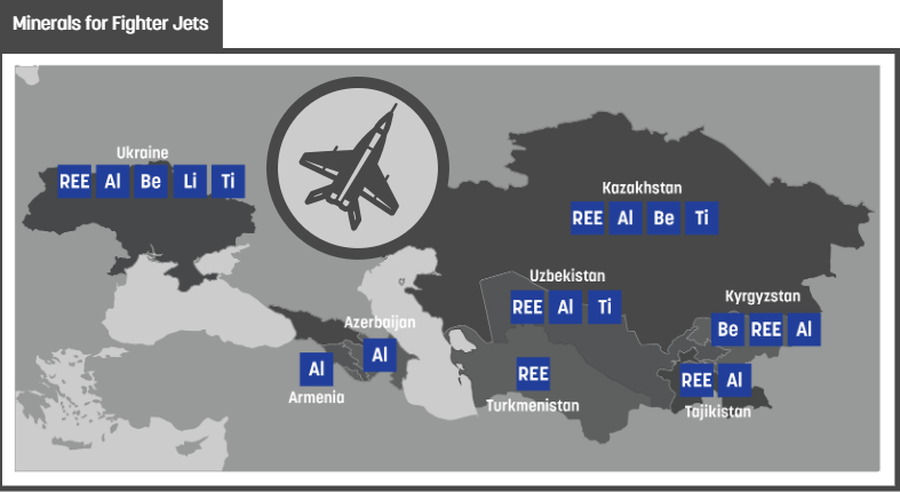
However, agreements with these countries could be as important to European defense as tanks or fighter jets./ Adapted from "Pamphlet" by "Euroactiv"






Lini një Përgjigje