


 Shkruar nga Pamfleti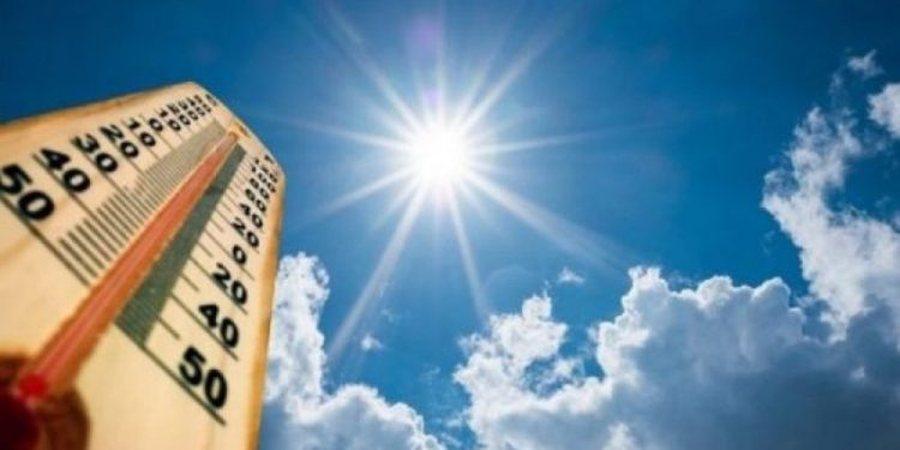
Temperature strips read 38 degrees Celsius for the second day in a row, but the midday crowds in central Osijek seemed unfazed by the danger being signaled.
"We work in the sun, it's not a problem for us," said Davor, 47, a bicycle courier with food delivery service Wolt.
Although many people who live there may not know it, this small Croatian town is the heat death hotspot in Europe. In the past two decades, hot weather has proved more deadly in Osijek than in any other city in Europe, a study in the Lancet medical journal found. Researchers modeled temperature and mortality data from the 854 largest cities in Europe and found that Croatians were more likely to die from the heat.
Despite the danger, little has been done to keep people safe – or to understand why they are dying at such a high rate. Doctors and scientists say the health crisis is much bigger than people realize, with the public unaware of how hard the heat is hitting and politicians unprepared for it to get worse.
"In the last century there were some risks, but not so much," said Lidija Srnec, a climate scientist at the Croatian Meteorological and Hydrological Service, pointing to a color-coded chart of temperature alerts on a computer in her office in Zagreb. .
"But as today approaches, red alert periods are more numerous and last longer."
As carbon pollution has blocked the atmosphere, trapping the sun's rays like a greenhouse, Europe has baked in ferocious heat. Hot weather killed 70,000 people across the continent last summer, and the death toll in 2023, the hottest year on record, could be even higher. Doctors say the human cost of a heat wave depends not only on climatic factors, but also on how vulnerable people are and how well they react.
Osijek, a city of 100,000 near Croatia's border with Serbia, doesn't stand out as a city that should suffer from the heat of hell. The agricultural region of Slovenia in which it is located is hotter than the capital, Zagreb, but not as hot as coastal Dalmatia, which is home to the tourist magnets of Dubrovnik and Split. Local residents say that the quality of healthcare is typical for the country. The average resident has gotten older, especially since Croatia joined the EU in 2013, but the researchers controlled for age.
Adding to the mystery, Osijek is home to nature that should keep it fresh. The city sits on the banks of the Drava River, which flows into the Danube 12 miles downstream, and overlooks Kopački Rit, one of Europe's largest wetlands. Urban planners built parks in the city when it was under the rule of the Austro-Hungarian Empire.
"Osijek is full of green areas," said Matijana Jergović, an epidemiologist at the Andrija Stampar Public Health Teaching Institute in Zagreb. She grew up in a working-class neighborhood of Osijek, surrounded by concrete, she said, but often escaped to nearby rivers and forests.
The conundrum is not only a problem for Croatia. The hunt for answers in Osijek and Zagreb, where the hot weather has proved slightly less deadly, could help heat-struck cities across Europe adapt as the climate becomes less hospitable to humans.
On a blustery August morning this year in Osijek, as pigeons dipped their beaks into a fountain and a rough dog lay on the periodic streams of water, the streets were sparse but the terraces were packed. An Indian chef, who had worked in much hotter conditions in Dubai, said the Croatian heat was not so bad. Osijek, he added with a shrug, "I feel at home in Uttarakhand."
Doctors offer several theories to explain the number of deaths. For starters, the bodies of water surrounding Osijek are slow or still, which makes the air humid. More water in the air means fewer sweat beads evaporate from the skin and draw heat away from the body. Scientists have warned that the "wet bulb" temperatures that make up the heat and humidity are in some parts of the world close to the limits of what the human body can take.
The Lancet study did not factor humidity into its models, but recent studies suggest it does not change much, said Pierre Masselot, of the London School of Hygiene and Tropical Medicine, the study's lead author.
"Epidemiologically, humidity does not appear to play a major role in mortality directly, although it cannot be denied that it has an impact."
Then there are pre-existing diseases. Doctors call heat a silent killer because only a fraction of the deaths it causes are recorded as such. While some people die of heat stroke on farms or construction sites, with death certificates citing heat as the cause, many others die in hospital beds and nursing homes while battling heart and lung disease. Hot days push lean bodies into overwork and warm nights prevent them from recovering. The result is an increase in excess mortality that only appears in the statistics.
Shkencëtarët thonë se kjo mund të ndodhë në dy mënyra në Osijek. Një studim i të mbijetuarve të luftës në Vietnam në vitin 2020 zbuloi se ekspozimi ndaj luftës ishte i lidhur me sëmundjet e zemrës më vonë në jetë – veçanërisht te gratë, të cilat për një sërë arsyesh vdesin me ritme më të larta se burrat nga valët e të nxehtit. Në Osijek, ku disa ndërtesa janë gërmuar nga predhat që ranë gjatë luftës së pavarësisë së Kroacisë me Jugosllavinë në 1991, banorët mund të mbajnë plagë të fshehura që i bëjnë ata të prekshëm nga nxehtësia.
“Prindërit tanë na futën në autobusë dhe nuk e dinin se në cilin qytet do të përfundonim”, tha Jergović, i cili iku në Austri për tre muaj në moshën 13-vjeçare dhe ndihmoi fëmijët e tjerë refugjatë të gjenin familje pritëse atje.
Ushqimi mund të jetë një faktor tjetër. Kroacia ka përqindjen më të lartë të njerëzve që janë mbipeshë ose obezë në Evropë. Në bregdetin e saj, njerëzit preferojnë një dietë mesdhetare me peshk, perime dhe verë në vend të mishit, patateve dhe birrës. Por Osijeku dhe qytetet e tjera sllave krenohen me një kuzhinë të yndyrshme më afër asaj të Evropës Qendrore. Menutë në dritaret e restoranteve të Osijekut ofrojnë një ushqim të përzemërt që bllokon arteriet dhe rrit presionin e gjakut.
Dinko Pesić, nga grupi lokal mjedisor Zeleni Osijek, tha se banorët e moshuar të Sllavonisë, në veçanti, i shohin salsiçet e derrit të yndyrshëm dhe gjellët pikante si tradita që nuk duan të heqin dorë.
“Dieta nuk është e përshtatshme për motin përgjithmonë të përkeqësuar.”
Shkencëtarët thonë se shpjegimet janë, për momentin, pak më shumë se supozime të arsimuara. Por ata paralajmërojnë se problemi do të përkeqësohet pa veprime urgjente sot.
Në brigjet e Dravës, një ulërimë e vazhdueshme lajmëron një aspekt të keq të përkeqësimit të motit në Kroaci. Branimir Hackenberger, një biolog në Universitetin e Osijekut, i cili modelon popullatat e insekteve, tha se një person që ulet buzë lumit gjatë verës mund të pickohet 300 herë në orë nga mushkonjat.
“Në Osijek, ne kemi më shumë sulme të mushkonjave në një orë sesa në Burkina Faso.”
Kroacia është goditur nga valët e të nxehtit të verës të ndjekur nga përmbytjet e shpejta që kanë ndihmuar në shumimin e mushkonjave. Insektet nuk mbartin ende sëmundje të tilla si malaria, tha Hackenberger, por kushtet ekologjike për përhapjen e sëmundjeve infektive janë tashmë atje.
Përtej uljes së ndotjes së saj nga gazrat serrë, Kroacia ka pak kontroll mbi rritjen e temperaturave. Ajo që mund të bëjë sot, thonë ekspertët, është të ndërmarrë hapa të thjeshtë për të shpëtuar jetë gjatë valëve të të nxehtit, të tilla si paralajmërimi i banorëve dhe kontrollimi i popullatave vulnerabël.
The Croatian health ministry said it was aware of the Lancet study but had not analyzed why Osijek in particular and Croatia in general were hit so hard. He said he already had an early warning system and recommendations for heat protection. He did not say when his heat health action plan would be published.
People can adapt their behavior, experts say. Standing outside a soccer stadium during a match in Zagreb, Željka Štaub, a nurse with a mobile medical company, advised people to drink water and avoid going outside if they could.
"Today, we should pay attention to people drinking beer in the sun," said Štaub.
In the long term, cities can stay cool by reducing traffic, warming their streets, and replacing concrete and asphalt with parks and trees. The urban heat island effect raises the temperatures of cities above their surroundings by generating heat and absorbing sunlight.
Hackenberger said Osijek had moved in the wrong direction. Driving down a road lined with trunk trees and two-story houses towering over them, he said two decades ago the local government had replaced tall trees in some districts with short trees that provided little shade. No one had thought about the heat to come.
"Thirty years ago, we wouldn't have been able to see these roofs," he said. "It would have been all green."/ The Guardian







Lini një Përgjigje