


 Shkruar nga Pamfleti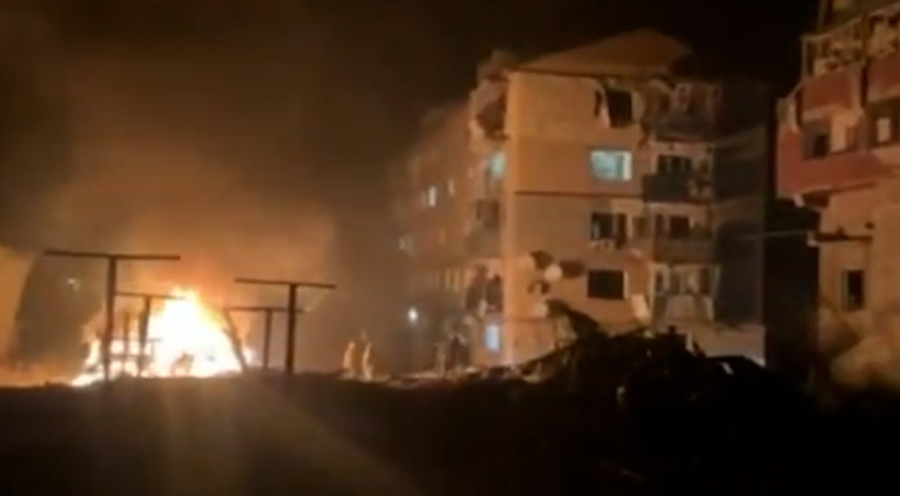
Berlin is bracing for a new influx of Ukrainian refugees this winter. They will flee not because their spirits are broken, but because life in a Ukrainian winter is simply not possible without light and heat...
Gold and darkness are the cruel weapons of Russia’s energy terror campaign aimed at crushing Ukraine this winter. The Kremlin has been trying to systematically destroy Ukraine’s electricity, heating and transportation systems for three years now, so far without success. But this winter could be the one when Ukraine’s air defenses are finally defeated. Russia’s attack strategies have been honed to a pinnacle of destruction, with a range of devastating new tactics aimed at rendering entire cities and regions uninhabitable.
First, and most spectacularly, Russian forces are becoming increasingly adept at evading air defenses by sending ballistic and cruise missiles and drones in unprecedented swarms.
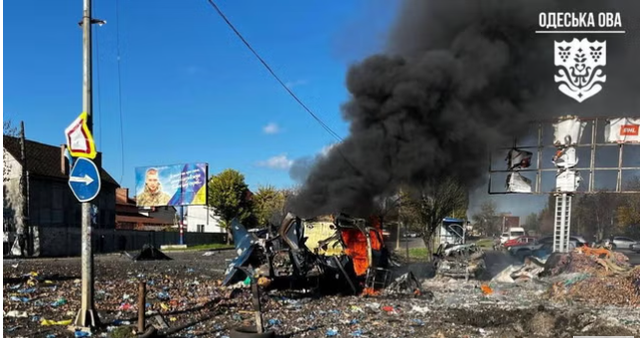
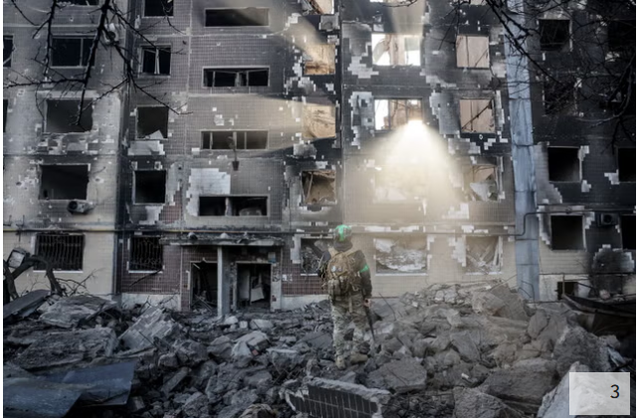
Last week, for example, Kiev was subjected to relentless bombardment for more than five hours, with 430 drones and nearly 20 missiles hitting power grids, railway lines, and gas-fired power plants, as well as crashing into apartment buildings. At least eight civilians were killed.
Another attack, just days ago, knocked out electricity to half the capital for most of the day. In response to a week of escalating attacks, large parts of Ukraine’s power grid were forced to shut down for up to 16 hours while large-scale repairs were carried out. As temperatures drop, the Kremlin’s attacks are becoming more relentless.
What is devilishly effective about the Russian attack strategy is that the basic habitability of a city operates on the principle of a tipping point. Three hours a day without electricity, for example, is livable, but eight hours is not. In many Ukrainian cities, the heating system is centralized, with entire neighborhoods relying on a common supply. If these systems are hit in the middle of winter, the pipes freeze and then burst, making evacuation inevitable.
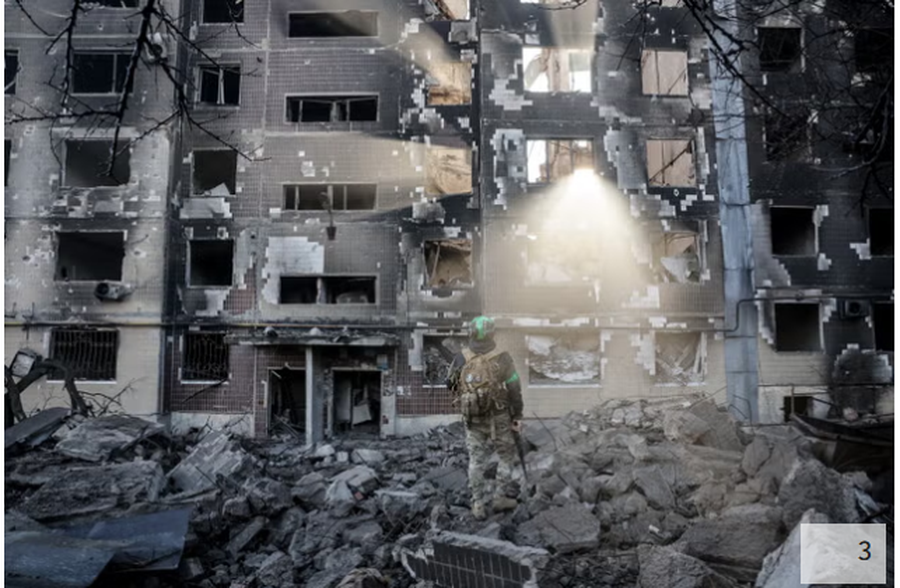
"Power outages have become routine, we charge batteries, fill bathtubs with fresh water, children are used to doing homework by torchlight," says Anna Khomenko, a translator and curator from Kiev.
"But when the power goes out, we have to climb seven floors. The streets are dark and icy. Maybe it's time to finally leave."
Khomenko says many of her friends and colleagues are also considering leaving the country.
“Është shumë e qartë se Putini synon ta bëjë dimrin sa më të padurueshëm për Ukrainën, të shkatërrojë moralin dhe të thyejë rezistencën e popullit ukrainas”, tha ministri i mbrojtjes i Gjermanisë, Boris Pistorius, javën e kaluar, duke shtuar ai nuk po ia del mbanë në këtë.
Ndoshta nuk po ia del ende, por sipas një zyrtari të lartë gjerman, Berlini po përgatitet për një fluks të ri refugjatësh ukrainas këtë dimër. Ata do të ikin jo sepse shpirti i tyre është i thyer, por sepse jeta në një dimër ukrainas thjesht nuk është e mundur pa dritë dhe ngrohje.
Rusët me sa duket kanë ndërtuar një sistem të frikshëm spiunazhi dhe mbikëqyrjeje, sepse saktësia e sulmeve të tyre, së bashku me efektivitetin e tyre, është rritur gjithashtu. Më e keqja nga të gjitha, duket se ka një plan të qëllimshëm nga Kremlini për të mos synuar asnjë nga nënstacionet e mëdha të energjisë elektrike 750kV të Ukrainës, të cilat lidhin rajonet me njëra-tjetrën dhe formojnë bazën e rrjetit kombëtar të energjisë.
Shumica e stacioneve 750kV kanë mbetur pothuajse të padëmtuara deri më tani. Mund të ketë vetëm një arsye për këtë dhe nuk është durimi humanitar.
Përkundrazi, Vladimir Putin ka të ngjarë të presë pjesën më të ftohtë të dimrit për të dhënë një goditje fatale duke lënë pa energji krahina të tëra dhe duke i shkëputur ato nga fqinjët e tyre në mënyrë që të mos jenë në gjendje të ndajnë pushtetin.
Edhe ndërtesa e administratës presidenciale në rrugën Bankova të Kievit nuk është imune. Ndërsa Volodymyr Zelensky po jepte një intervistë me një gazetar perëndimor javën e kaluar, ndërtesa u zhyt në errësirë. Errësira ishte simbolike, pasi reputacioni i vetë Zelensky-t ka vuajtur pas një skandali të madh korrupsioni që ka parë disa nga aleatët e tij më të ngushtë politikë dhe partnerët e biznesit të akuzohen për përvetësimin e rreth 100 milionë dollarëve (76 milionë paund) nga fondet e destinuara për ndërtimin e mbrojtjeve për termocentralet e Ukrainës.
Që nga fillimi i luftës, Ukrenergo, kompania kombëtare e energjisë elektrike e vendit, ka siguruar 1.5 miliardë euro (1.32 miliardë paund) ndihmë perëndimore për të ndërtuar mbrojtje nga rrjeti dhe ka ndërtuar 60 strehimore betoni për të mbrojtur transformatorët kritikë.
Por sipas Byrosë Kombëtare Kundër Korrupsionit të Ukrainës, një skemë e madhe ryshfeti që përfshin Timur Mindich, bashkëthemeluesin, së bashku me Zelensky, të kompanisë së prodhimit televiziv Kvartal 95, së bashku me ministrin e drejtësisë Herman Halushchenko dhe të paktën 7 të tjerë, përfituan nga kontratat e fortifikimit mbrojtës.
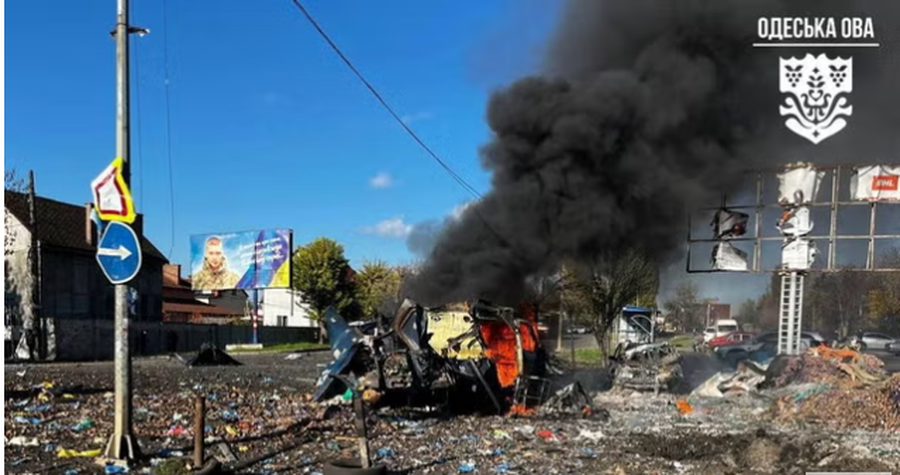
Kombinimi i ndërprerjeve të rënda të energjisë dhe akuzave për përfitim nga lufta në nivelin më të lartë në qeverinë e Ukrainës po shndërrohet në një krizë serioze politike.
At the same time, Ukraine is mounting a significant counterattack, with a campaign of long-range strikes on oil refineries and terminals deep inside Russia. New technology has given Ukraine the ability to strike more than half of western Russia’s refineries, with a significant impact on domestic oil refining and fuel availability.
So far, however, Russian air defenses have been able to defeat up to 95 percent of Ukrainian drones, and given the small Ukrainian ammunition load, only about half of the drones that have reached their target have caused significant damage.
However, according to a recent report by Dr. Jack Watling of the Royal United Services Institute in London, "there is good reason to believe that Ukraine could improve the effectiveness of its attacks in 2026, but the question is to what extent the combination of sanctions and attacks will create a cash flow problem for the Kremlin."
In other words, both sides have stepped up their air offensive game in what is increasingly becoming an all-out war. On the ground, Russian troops continue a slow and bloody advance through the Donbass and, more quickly and dangerously, south to Zaporizhzhia.
"Despite official courage, the situation is more than complicated and less than controlled," wrote former deputy defense minister Vitaliy Deynega, founder of Come Back Alive, a Ukrainian foundation that supports the military, on Facebook. Ukrainian forces "must leave these [besieged] cities as soon as possible," he added.
Putin still believes he can bring Kiev to its knees, which is why he has rejected even the generous peace terms offered by Donald Trump in Alaska. The war will be won or lost not on the slow-moving battlefront, but in the skies over Ukraine’s cities, where the Russians believe they can deliver a truly lethal blow against the country’s critical infrastructure. The resilience of ordinary, suffering Ukrainians is about to face its most serious test yet. /Adapted from Independent/






Lini një Përgjigje