


 Shkruar nga David Zikusoka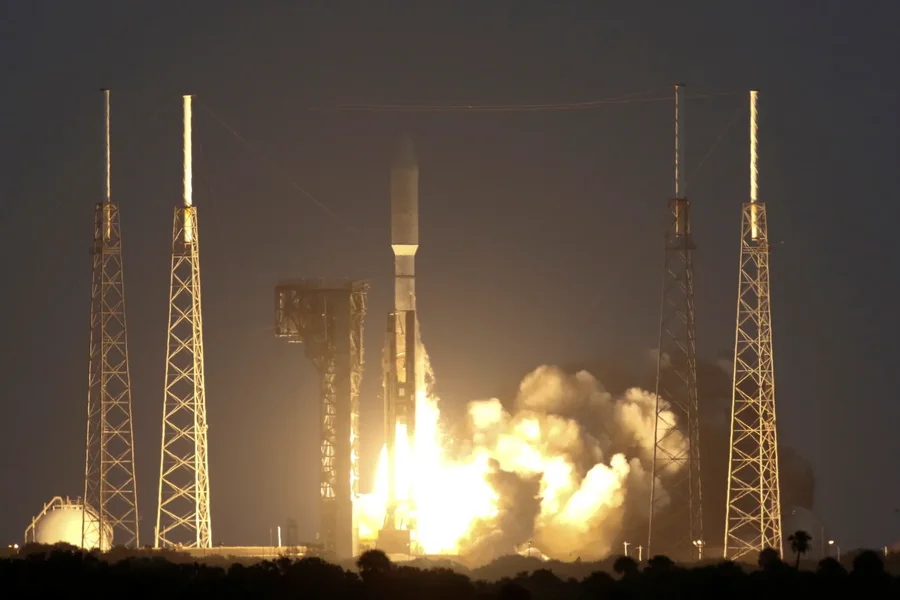
Satellites with advanced intelligence-gathering capabilities can be as small as a lunchbox or a backpack.
Last year, the Department of Defense announced an ambitious plan to launch 1,000 new satellites over the next decade. During the same period, the National Reconnaissance Office, which runs the spy satellites, plans to quadruple the size of its fleet of several dozen satellites.
The US government can only expand its fleet so quickly, as the satellites have become too many
cheaper to manufacture and easier to launch into space. Many of these new satellites are intended for surveillance, and with all this new equipment in the sky, the United States will be able to maintain what is known as a "continuous observation" capability.
And in the parlance of the intelligence community, that means it can surveil targets at all times without being noticed. This project will provide the United States with access to large amounts of data transmitted from space. Meanwhile, advances in Artificial Intelligence (AI), big data and cloud computing will help process all that information and tell people what to look at.
By enabling the United States to track troop movements and weapons deployments in real time, the next generation of spy satellites could offer an unprecedented chance to thwart and disrupt attempts to launch a surprise war. Current systems are updated less frequently, opening the door to new developments that are missing today.
But having such a powerful surveillance system at your disposal brings with it a new risk. With so many satellites sending so much information back to Earth, the system can become overwhelmed, forcing officials to make endless decisions and fostering micro-management and distraction.
On the other hand, if America's adversaries got their hands on these technologies, they could threaten the US military's freedom of action, making it harder for it to hide their movements. To prepare for this new era, the Biden administration must change not only how the National Security Council analyzes information, but also how it uses it to make decisions.
Project CORONA, the CIA's earliest spy satellite system, could photograph Soviet territory and return reels of film to Earth. But the time from collection to their use was measured in days and even weeks. The construction in the 1970s of school bus-sized satellites that could transmit digital images solved this time constraint, but they were limited in number.
The handful of satellites the US could send into space still left huge gaps in coverage. Today the Pentagon and the intelligence community can use nearly 6 satellites that use infrared rays and 6 radar satellites that can see at night and through clouds.
These systems are great, but they cost at least hundreds of millions of dollars each. Although they are capable of collecting and transmitting high-quality data instantly, they are not that many in number. Now a combination of advanced technologies—reusable missiles, ever-smaller semiconductors, and high-powered Artificial Intelligence—is making it possible for the United States to rapidly equip itself with the capability of continuous surveillance anywhere on the globe.
The cost of launching rockets has fallen greatly since the time of NASA's space shuttle program, from about $27,000 for 453 grams of weight to $1,200 for the same weight. Thanks to the miniaturization of semiconductors, the size of spy satellites has also decreased.
Satellites with advanced intelligence-gathering capabilities can be as small as a lunchbox or a backpack. Meanwhile, AI has enabled the merging of humans and machines, where computer algorithms rapidly analyze data and identify relevant pieces of information for analysts.
Private satellite launch companies such as SpaceX and Rocket Lab have used these technologies to build so-called "mega-constellations," where hundreds of satellites work together to provide intelligence data to the public, businesses, and non-governmental organizations.
These companies are updating open source databases on a planetary scale and many times a day. Some of these companies can provide new data from almost anywhere on the globe within 30 minutes of a request. For example, the Planet company controls about 200 satellites that orbit the Earth and are about the size of a wooden bread holder. They produce digital pictures from around the Earth once a day. Each satellite can take 10,000 pictures a day, photographing an area the size of Mexico. When a Chinese spy balloon flew over the United States in early 2023, Artificial Intelligence company Synthetaic quickly searched Planet's database for photos of the trajectory the balloon had followed from China to the US. Synthetaic's hardware algorithms were able to identify the path the balloon had followed.
Falë tyre vendi i mundshëm i lëshimit të saj ishte ishulli Hainan në Kinën Jugore. Ndërsa sektori privat vazhdon të përparojë me shpejtësi, qeveria amerikane po përpiqet të vazhdojë me planet e saj ambicioze për të zgjeruar me shpejtësi numrin e satelitëve në hapësirë gjatë dekadës së ardhshme.
Departamenti i Mbrojtjes parashikon një botë ku nuk do të ketë më boshllëqe në mbulim, pavarësisht nga moti, dhe 24 orë në ditë. Katërfishimi i flotës së satelitëve nga Zyrat Kombëtare të Zbulimit do të japë 10 herë më shumë imazhe se sot. Një mega-konstelacion prej qindra apo mijëra satelitësh, do të ishte në gjendje të transmetonte vazhdimisht informacione rreth një objektivi.
Me këtë aftësi, Shtetet e Bashkuara mund të mbikëqyrin gjithçka, nga bazat ku mbahen nëndetëset me raketa balistike bërthamore të Kinës deri tek objektet e Gardës Revolucionare iraniane që mund të kërcënojnë trupat amerikane në Irak dhe Siri.
Të kombinuar me gjeneratën e ardhshme të armëve hipersonike që Shtetet e Bashkuara po testojnë dhe po nxjerrin në terren, këta satelitë të rinj do ta lejojnë ushtrinë amerikane të godasë objektiva me rreze të gjatë përgjatë afateve të shkurtra kohore dhe me më pak rrezik për ushtarakët e saj.
Komandantët do të ishin në gjendje të shikonin të gjithë Paqësorin Perëndimor nga lart, duke i gjurmuar të gjitha anijet në hapësirën e betejës. Pra këta satelitë do të mundësonin një koordinim të paprecedentë në të gjithë shërbimet ushtarake, si dhe me aleatët në operacionet komplekse luftarake duke informuar sistemet e avancuara të komandës dhe kontrollit të drejtuar nga të dhënat.
Por me mundësitë e reja, vjen edhe një rrezik i ri: mbështetja e tepërt tek një teknologji e tillë mund të krijojë zakone të këqija. Sulmi i Hamasit mbi Izraelin më 7 tetor 2023, tregoi grackat që nxit varësia nga teknologjia e avancuar. Për vite të tëra, Izraeli përdori një sistem mbikëqyrjeje të teknologjisë së lartë për të vëzhguar kufirin e tij me Rripin e Gazës.
Por kjo teknologji ushqeu tek liderët izraelitë një besim të rremë dhe ndikoi tek vendimi për të zhvendosur në Bregun Perëndimor ushtarë izraelitë që monitoronin Gazën. Mbështetja e tepërt tek të dhënat e inteligjencës të mbledhura në hapësirë, mund ta shtyjë qeverinë amerikane të bëjë gabime të ngjashme.
Për më tepër, sistemet e aktivizuara nga Inteligjenca Artificiale mund të bëjnë gabime.
Po sikur një objekt që perceptohet si lëshues i lëvizshëm i raketave, të jetë në fakt një mashtrim me pamje realiste apo me keq akoma një autobus i mbushur me civilë?
Anasjelltas, por sikur një sistem i tillë të dështonte në njëfarë mënyre të gjurmojë vendosjen e një lëshuesi të lëvizshëm raketor bërthamor?
To respond to this uncertain future, the Biden administration should develop guidelines for the types of data sets that will be used to train algorithms for satellite image recognition. Meanwhile, the American army must think about how to operate in such conditions. / Adapted "Pamphlet" from "Foreign Affairs"
Note: David Zikusoka, defense expert at the Competition Special Studies Project. Previously, he served in various positions in the White House and the Department of Defense.








Lini një Përgjigje