


 Shkruar nga Pamfleti
The new head of the Revolutionary Guard is said to have sidelined Tehran's moderates, imposing a hardline against the US. He is known for his links to terrorist acts abroad and is sanctioned by the European Union.
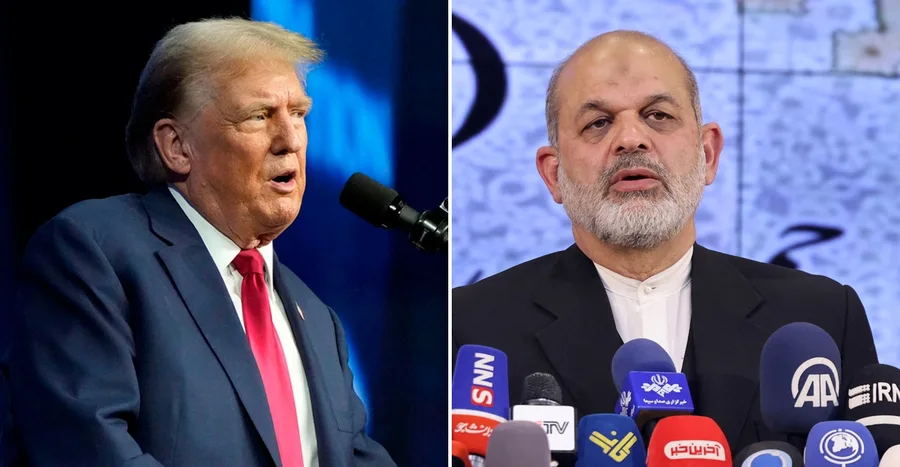
Following the US-Israeli airstrikes that weakened Iran's political and military leadership and caused the deaths of dozens of senior officials, General Ahmad Vahidi is emerging as a senior leadership figure while Donald Trump continues to insist that he cannot determine with whom he will sign the end of the war, even though he is seen as the central figure pulling the strings behind the scenes of the Islamic Republic.
According to analysts, Vahidi, who took over as head of the Islamic Revolutionary Guard Corps after the killing of Mohammad Pakpour on the first day of fighting, has activated his inner circle, creating an informal military council and taking control of both Iran’s military response and its negotiating team. With the 67-year-old and his allies in control, Tehran has taken an even tougher stance, refusing (at least until Friday) to participate in peace talks with the United States and stepping up attacks on ships passing through the Strait of Hormuz.

In fact, it is precisely this stance and the obstacles he raises in negotiations that are said to have made Vahid a key target in US-Israeli military plans in the event that hostilities resume.
He has sidelined Tehran's moderates.
Vahidi, who is under severe Western sanctions and has been linked to terrorist attacks in Argentina, represents the most extreme wing of the Iranian regime, which has alienated moderates in Tehran (Pezekian) and even those leading negotiations with the United States (Araghchi). Analysts estimate that even if an agreement is reached with the Iranian delegation, it may not have any real impact as long as Vahidi and his allies remain in control.
Ahmad Vahidi was the commander of the elite Quds Force in the 1990s, strengthening Iran's influence in the Middle East before handing over the reins to Qassem Soleimani. Both men are considered crucial in creating and strengthening Iran's "proxies" abroad, including Hezbollah in Lebanon and the Houthis in Yemen.
Ndryshe nga dy krerët e mëparshëm të Gardës Revolucionare , Vahidi ka luajtur gjithashtu një rol aktiv në sistemin politik të vendit, duke shërbyer në pozicione të larta, të tilla si ministër i mbrojtjes dhe ministër i brendshëm në dy qeveri të ndryshme. Në dhjetor të vitit të kaluar, ai u emërua zëvendëskryetar i Gardës nga Udhëheqësi Suprem Ali Khamenei, i cili u vra së bashku me kreun e atëhershëm të korpusit, Mohammad Pakpour, në sulmet e 28 shkurtit.
Si e mori situatën në duart e veta përmes Mojtabës?
Pas vdekjes së Khameneit, thuhet se Vahidi e promovoi djalin e tij, Mojtaba Khamenei, si pasardhës, pavarësisht raportimeve se vetë ajatollahu nuk e donte një zhvillim të tillë. Megjithatë, Mojtaba u plagos në të njëjtat sulme dhe nuk është shfaqur në publik, gjë që, sipas Khosro Esfahani, drejtor kërkimor i Unionit Kombëtar për Demokraci në Iran, e ka bërë atë në mënyrë efektive një "mjet" të regjimit.
"Nëse Mojtaba është gjallë dhe kjo është një "nëse" e madhe, ai nuk është gjë tjetër veçse një kukull. Ai është udhëheqësi i parë suprem i krijuar nga inteligjenca artificiale në historinë e njerëzimit", tha Esfahani për New York Post, duke iu referuar fotove "të fabrikuara" që regjimi kishte publikuar të Mojtabës pas emërimit të tij.
"Ai nuk ka kapital politik, asnjë mbështetje publike dhe asnjë ndikim në vendimmarrje. Regjimi ia atribuon dhe do të vazhdojë t'i atribuojë deklarata atij. Nëse ai është gjallë, dhe kjo është e dyshimtë, ai po vepron si një kukull", shtoi Esfahani.
Ndikimi në ekipin negociator që u takua në Pakistan për Pashkë
Ndikimi i Vahidit në negociata ishte i dukshëm kur ai siguroi pjesëmarrjen e Mohammad Bagher Zolghandr, sekretar i Këshillit Suprem të Sigurisë Kombëtare dhe një veteran i Gardës, në delegacionin iranian. Sipas Institutit për Studimin e Luftës (ISW), Zolghandr u ngarkua me detyrën për të siguruar që negociatorët të ndiqnin vijën e ashpër të Gardës.
Ky qëndrim u konfirmua kur ai denoncoi Ministrin e Jashtëm Abbas Araghchi, i cili dyshohet se kishte lënë hapësirë për lëshime në bisedime. Reagimi i ashpër çoi në kthimin e delegacionit në Teheran, ku qëndroi deri dje, kur më në fund u kthye në Pakistan për të provuar një rifillim të mundshëm të bisedimeve me SHBA-në.
"Zolghandr ia dërgoi ankesën udhëheqësve të lartë të Gardës, pothuajse me siguri përfshirë Vahidin, duke pretenduar se Araghchi e kishte tejkaluar mandatin e tij gjatë negociatave duke shprehur fleksibilitet në lidhje me mbështetjen e Iranit për Boshtin e Rezistencës", raportoi ISW për bisedimet fillestare të paqes.
“Zemërimi i Zolghandrit i shtyu udhëheqësit e lartë në Teheran, përfshirë ish-kreun e Shërbimit të Inteligjencës së Gardës dhe anëtarin prej kohësh të rrethit të ngushtë të Mojtabës, Hossein Taeb, të bënin thirrje që delegacioni negociator të kthehej në Teheran”, shtoi grupi i ekspertëve.
"Good cop" and "bad cop" tactics
Analysts believe that Iran is implementing a "good cop, bad cop" tactic, with Vahid taking a hardline stance and the speaker of parliament and (at least until recently) a key member of the negotiators, Mohammad Ghalibaf, appearing more conciliatory. However, it is notable that both come from the same Revolutionary Guard structures and have supported similar strategies.
"A comparative study of the two main actors in the spotlight, Vahidi and Ghalibaf, shows that they have climbed the ranks of the Revolutionary Guard together and have historically supported identical policies and strategies," Isfahani stressed.
Link to deadly terrorist acts abroad
Vahidi was one of nine senior Iranian and Hezbollah officials accused of helping to plan the 1994 bombing of the Asociación Mutual Israelita Argentina (AMIA) Jewish community center in Buenos Aires, which killed 85 people. Interpol issued a “red notice” against Vahidi, calling on police authorities worldwide to find and arrest him, making the current Guard commander an internationally wanted terrorist.
In addition to the infamous 1994 bombing, Argentine investigators have also linked Vahid to the 1992 bombing of the Israeli embassy in Buenos Aires, which left 29 dead and dozens injured.
Vahid was also sanctioned by the US for his ties to Iran's nuclear and missile programs, and faced a second wave of sanctions in 2022 following the regime's violent crackdown on protesters over the death of Mahsa Amini.
The European Union also imposed sanctions on Vahid that same year over the regime's use of live ammunition in protests, which resulted in the deaths of nearly 500 people, according to human rights groups.



Lini një Përgjigje