


 Shkruar nga Pamfleti
Complete analysis of the 1986 accident, technical and human causes, radiation spread and global consequences
The explosion at the Chernobyl nuclear power plant on April 26, 1986, was the worst accident in the history of civilian nuclear power and a turning point for global safety. Four decades later, it continues to be studied as an example of the combination of technical, human and institutional failures.
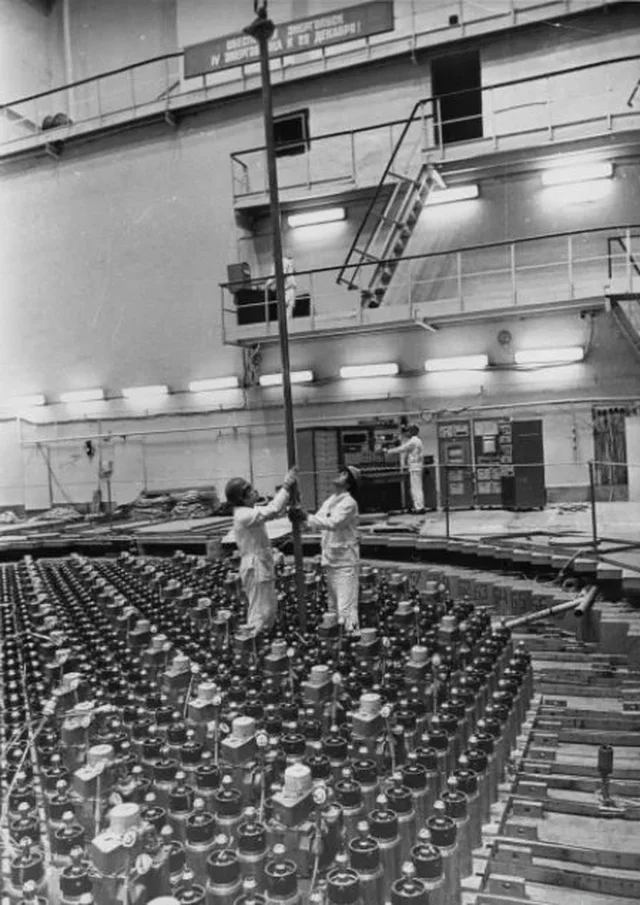
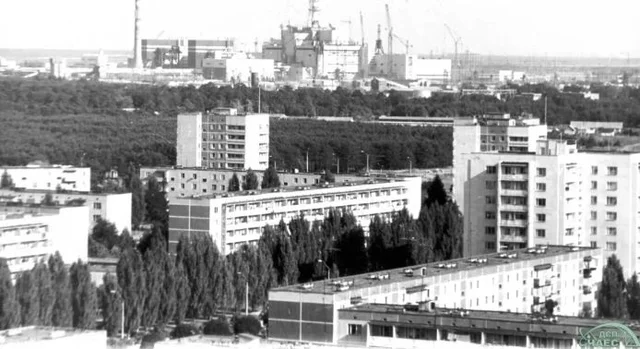
In April 1986, reactor No. 4 at Chernobyl, near the city of Pripyat in present-day Ukraine, was preparing for routine maintenance. As part of this, operators planned a test to verify whether the generator turbines could continue to produce power for a few seconds after the power supply was cut off.
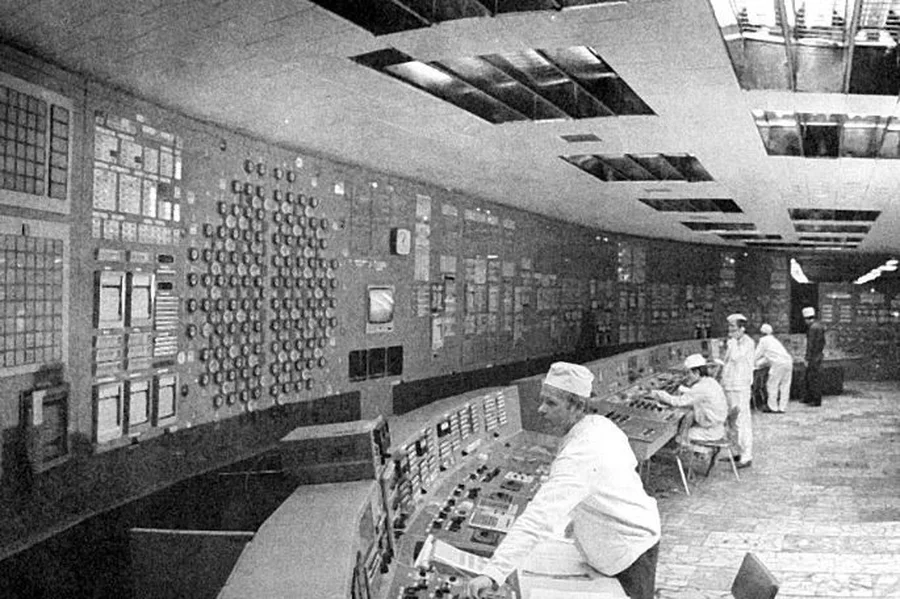
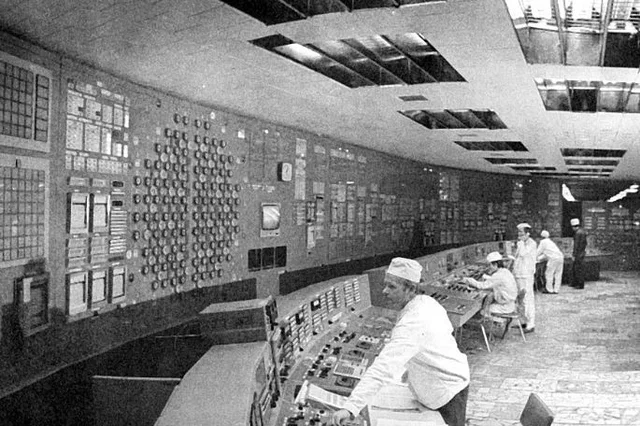
The power reduction procedure began on April 25, gradually reducing it from the maximum level of 3200 MWt. In the early hours of April 26, the power had dropped to about 200 MWt. At 01:23, after the parameters stabilized, the operators started the test by closing the turbine supply valves. For about 30 seconds, everything remained within the predicted limits.
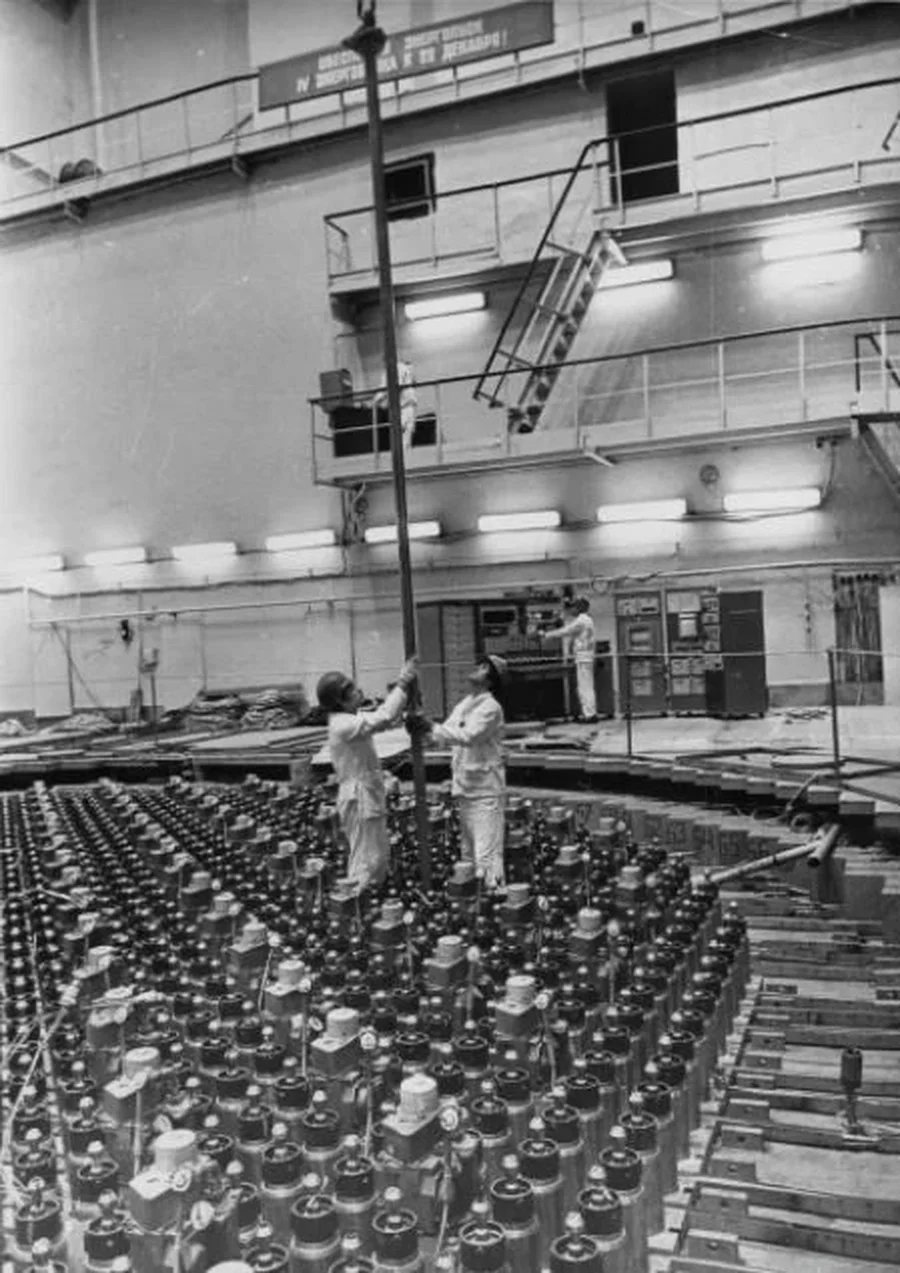
The operator then activated the reactor's emergency shutdown system. Although the reasons remain unclear, this action could have been related to the completion of the test or the next phase of the shutdown. However, due to design features and operating conditions, the system did not work as intended. Instead of stopping the reaction, the reactor's power increased immediately.
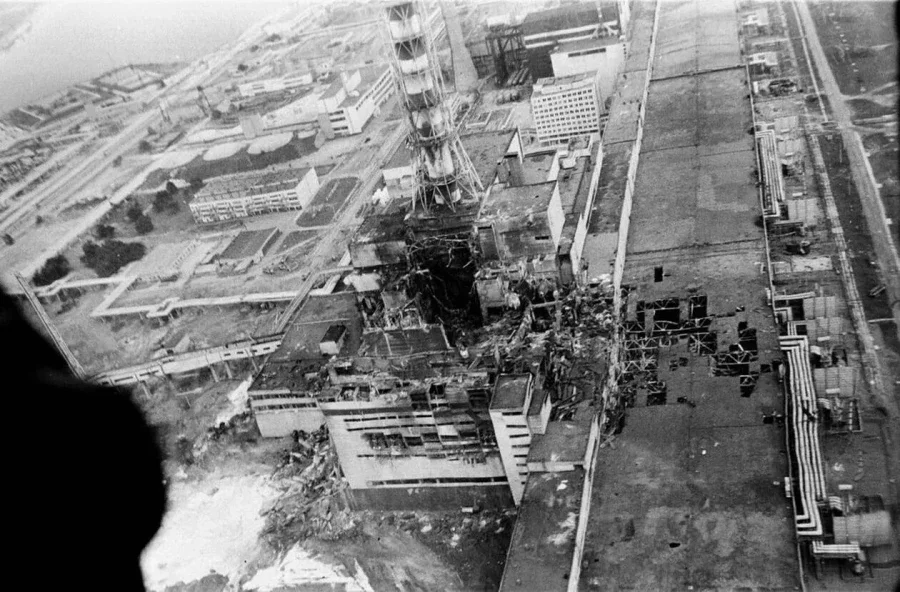
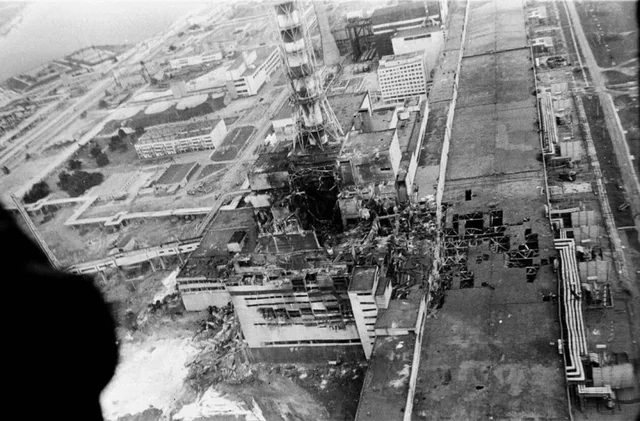
The rapid increase in temperature caused deformation and cracking of the fuel elements, leading to a steam explosion that destroyed the reactor core. Three seconds later, a second explosion occurred. As a result, a large amount of nuclear fission products was released into the atmosphere. Radioactive emissions continued for about ten days, constituting the largest uncontrolled release in a civilian activity.
The reports of the International Atomic Energy Agency's Nuclear Safety Advisory Group (INSAG-1, 1986 and INSAG-7, 1992) identify a combination of factors that led to the accident. These include the physical characteristics of the reactor, design features, and the fact that the reactor was operating outside safety parameters. The report states that "the physical characteristics of the reactor allowed for unstable behavior."
RBMK reactors had a unique design: they used water as a coolant and graphite as a moderator. Unlike most modern reactors, where increasing steam reduces reactivity, in RBMK the opposite happened. Increasing steam bubbles (cavities) reduced neutron absorption, increasing the chain reaction and the reactor's power.
Një tjetër faktor kritik ishte konfigurimi i shufrave të kontrollit. Gjatë testit, në bërthamë ndodheshin vetëm 8 shufra, ndërkohë që minimumi i kërkuar ishte 15. Kjo e bëri reaktorin jashtëzakonisht të paqëndrueshëm. Për më tepër, dizajni i shufrave të kontrollit mund të rrisë përkohësisht reaktivitetin në momentin e futjes së tyre, duke kontribuar në shpërthim.
Faktorët njerëzorë luajtën gjithashtu rol të rëndësishëm. Fillimisht, raporti INSAG-1 i atribuoi aksidentin një serie gabimesh dhe shkeljesh të procedurave. Megjithatë, raporti i përditësuar INSAG-7 sqaroi se veprimet e operatorëve pasqyronin kulturën e përgjithshme të sigurisë në Bashkimin Sovjetik, ku presioni institucional dhe mungesa e rregullimit të pavarur ndikuan në vendimmarrje.
Ngjarja u bë publike ndërkombëtarisht vetëm pas disa ditësh. Më 28 prill 1986, nivele të larta rrezatimi u regjistruan në centralin Forsmark në Suedi, mbi 1000 kilometra larg. Fillimisht u dyshua për një problem lokal, por analizat zbuluan se ndotja vinte nga jashtë vendit.
Institucionet suedeze aktivizuan mekanizmat e emergjencës dhe, pas analizave të mëtejshme, përjashtuan centralet e tyre si burim. Më pas, disa centrale në Bashkimin Sovjetik u identifikuan si burime të mundshme. Vetëm në mbrëmjen e 28 prillit, agjencia sovjetike TASS publikoi një deklaratë të shkurtër që konfirmonte aksidentin.
Ndërkohë, në Bashkimin Sovjetik, autoritetet po përballeshin me pasojat. Zjarret dhe dëmet u menaxhuan pa informim të menjëhershëm publik. Vetëm më 14 maj, lideri sovjetik Mihail Gorbaçov pranoi publikisht aksidentin.
Reja radioaktive u përhap në të gjithë Evropën dhe më tej, duke arritur deri në Amerikën e Veriut dhe Japoni. Fillimisht u përbë nga elementë shumë të paqëndrueshëm si jodi dhe gazrat fisnikë, ndërsa më vonë përfshiu elementë më të rëndë si zirkoni dhe ceriumi. Shpërndarja u ndikua nga erërat dhe reshjet, duke krijuar nivele të ndryshme ndotjeje në rajone të ndryshme.
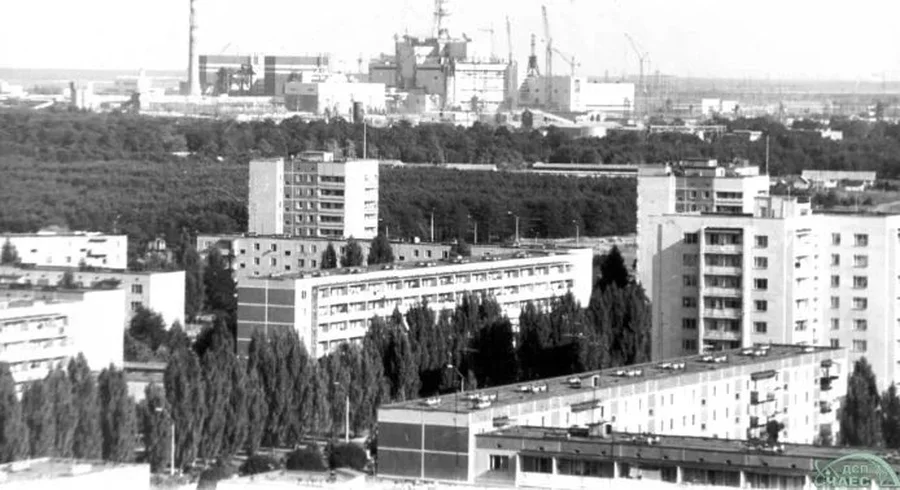
Evakuimi i Pripjatit nisi rreth 36 orë pas shpërthimit. Banorëve iu kërkua të merrnin dokumentet dhe sendet më të nevojshme, me idenë se largimi do të ishte i përkohshëm. Evakuimi përfundoi brenda rreth dy orësh e gjysmë, por qyteti mbeti i braktisur përgjithmonë.
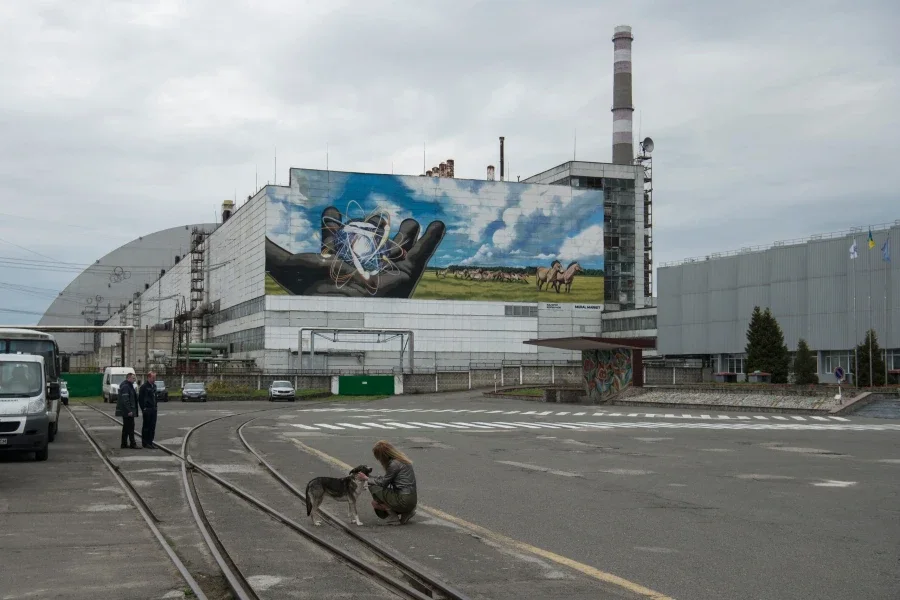
Sipas vlerësimeve të Forumit të Çernobilit, deri në 4,000 vdekje mund të lidhen me efektet afatgjata të rrezatimit, përfshirë kancerin dhe leukeminë. Përtej kësaj, pasojat sociale, ekonomike dhe mjedisore janë të gjera dhe afatgjata.
Aksidenti ndikoi thellësisht industrinë bërthamore globale. U krijuan mekanizma ndërkombëtarë bashkëpunimi, si Shoqata Botërore e Operatorëve Bërthamorë, dhe u përforcuan standardet e sigurisë. Sipas drejtuesve të industrisë, këto masa kanë ndërtuar një kulturë më të fortë sigurie në nivel global.

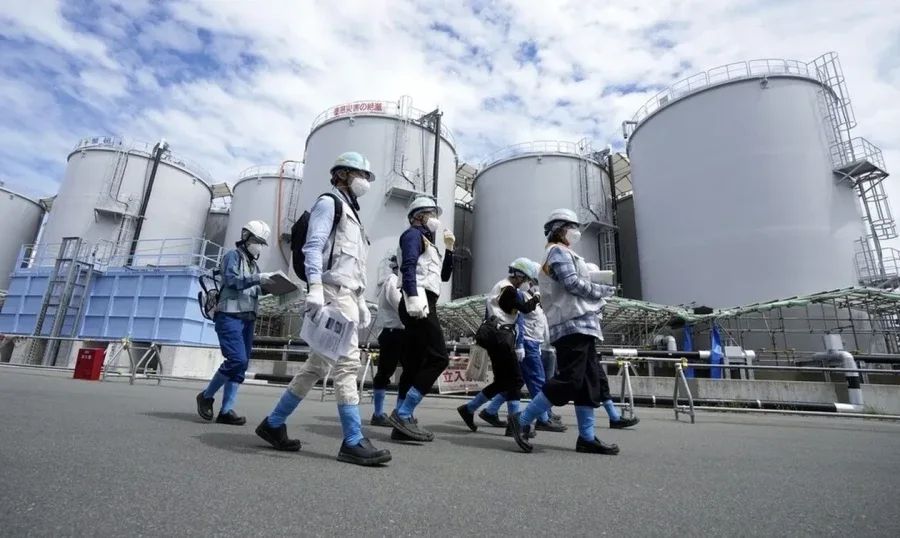
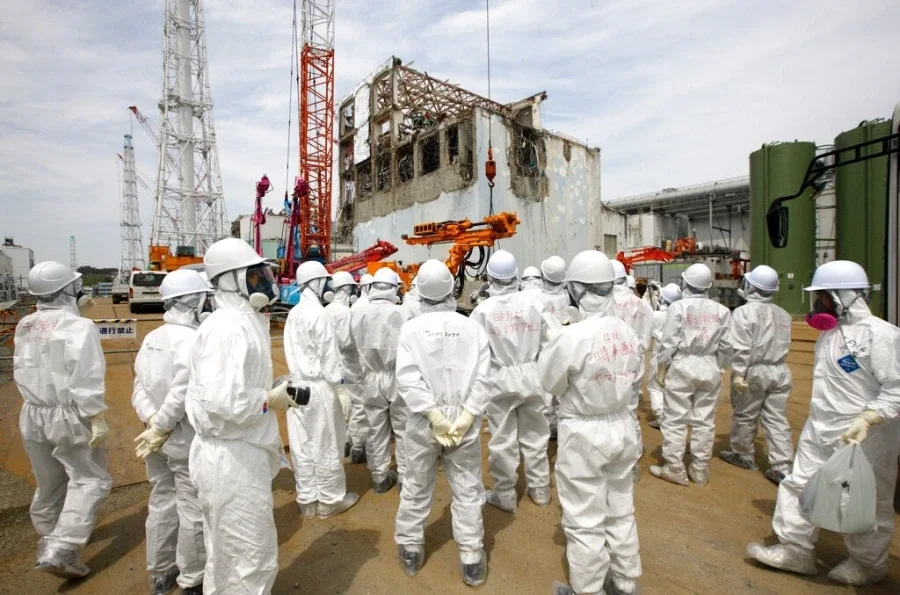
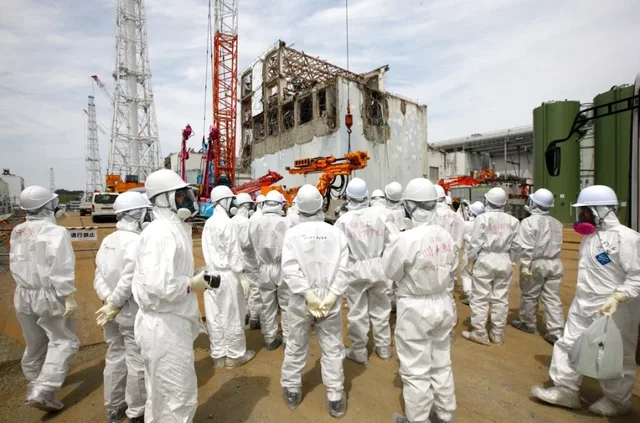
However, the Fukushima accident in 2011 showed that risks remain. An earthquake and tsunami led to the failure of cooling systems, causing reactor cores to melt. Investigations revealed problems in emergency preparedness and in the relationship between regulators and operators.
Today, RBMK reactors have undergone technical improvements, including accelerated control rod insertion and changes to the fuel. These measures have significantly reduced the technical risk of a similar accident.
However, experts emphasize that the human factor remains critical. Working conditions, training and safety culture continue to be crucial elements. As specialists note, most nuclear accidents are related to the interaction between technology and human decisions.
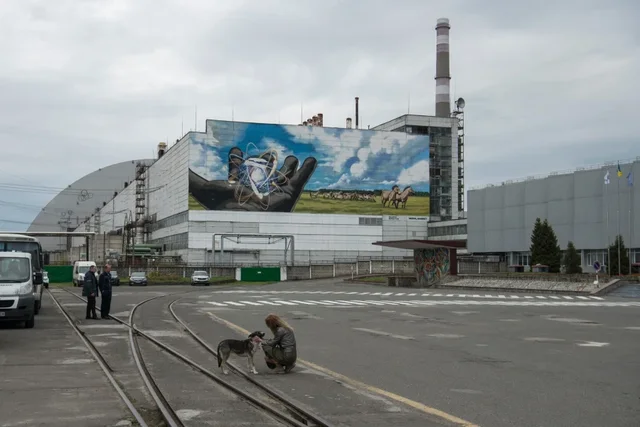
Chernobyl remains a symbol of nuclear danger and a constant reminder of the importance of safety. Although the probability of a similar accident has been significantly reduced, experts agree that an absolute guarantee does not exist.








Lini një Përgjigje