


 Shkruar nga Federico Rampini
Among the reasons for the interest of this analysis is the timing that links the military operations to a long-awaited summit: Trump's visit to Xi at the end of the month.

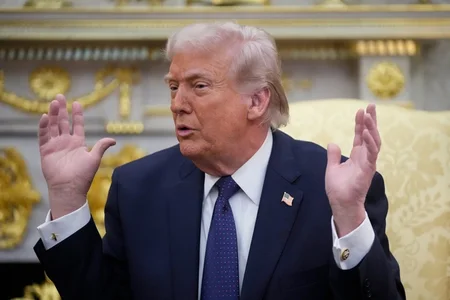
Geopolitics, attention to symbols, diplomatic etiquette and ceremony. Everything gets mixed up when an authoritative source from Beijing suggests this calendar: Donald Trump's announcement or prediction that the war could last four weeks would make it end just before the American president arrives at Xi Jinping's court.
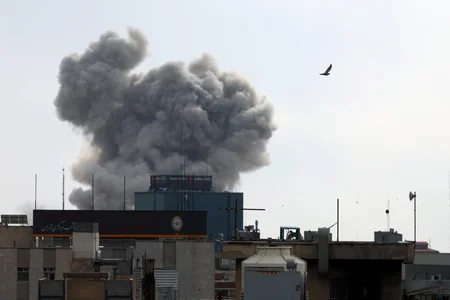
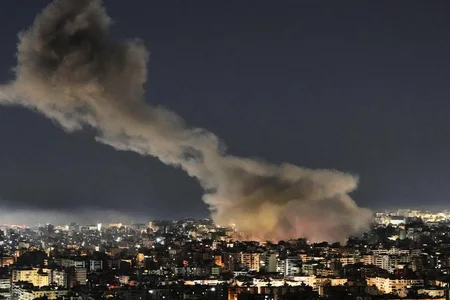
The American attack on Iran cannot be understood if viewed only through the lens of the Middle East, Europe, or domestic American politics. There is a fourth angle: seen from the Far East, this war takes on a different meaning. In a way, it becomes more rational.
I borrow the analyses circulating in Asian media, such as that of a well-known Japanese China observer, Katsuji Nakazawa; in Nikkei Asia he wrote an article that draws attention from the title and subtitle: "Why Xi Jinping Can't Cancel Trump's Visit After Attack on Iran. China's Domestic Economic and Political Problems Limit Its Criticism of America."
Among the reasons for the interest of this analysis is the timing that links the military operations to a long-awaited summit: Trump's visit to Xi at the end of the month.
Venezuela and Iran, the Japanese expert recalls, have for years represented two pillars of Beijing's energy and geopolitical strategy: regimes hostile to the United States and at the same time valuable suppliers of oil. To strike one and destabilize the other means to intervene directly in one of the structural weaknesses of Chinese power.
The timing of the crisis is telling. The military operation against Tehran came as the White House was preparing Trump's trip to Beijing. The US president is expected to be a guest in China from March 31 to April 2. Just three days: not long enough for a classic state visit full of ceremonies and meetings, but enough to suggest that Washington may have sped up the clock on the eve of the offensive against Iran.
Trump seems to have calculated that Xi cannot afford to cancel or postpone that meeting, even after a US strike that eliminated Iranian Supreme Leader Ali Khamenei. In other words, the White House believes it has identified a weak spot in the Chinese leadership.
For Xi, the visit has enormous symbolic and political value. The Chinese leader has long been waiting for the opportunity to reintroduce his doctrine of "great power diplomacy," a formula by which Beijing aims to treat the United States as an equal in a global duopoly. Xi's image as an indispensable interlocutor on the world stage is almost as important as the concrete results of diplomacy. It would be fair to say that Putin is not alone in feeling the need for legitimacy...
Kur Trump ka evokuar një lloj G-2 me Kinën, një drejtori për të rregulluar çështjet globale, ai ka bërë që në veshët e liderit komunist të tingëllojë një muzikë e butë.
Bindja amerikane se Pekini vështirë se do të reagojë me ashpërsi nuk lind sot. Që në fillim të vitit Trump kishte vënë në provë durimin kinez me operacionin spektakolar në Venezuelë. Më 3 janar forcat speciale amerikane kryen një bastisje në Karakas duke kapur presidentin Nicolás Maduro dhe bashkëshorten e tij Cilia Flores, të cilët më pas u transferuan në New York për t’u përballur me akuza të lidhura me narkotrafikun.
Episodi ishte poshtërues për Pekinin sepse ndodhi vetëm pak orë pasi Maduro kishte pritur një delegacion ministror të nivelit të lartë të dërguar nga qeveria kineze. Megjithatë reagimi zyrtar i Kinës mbeti i moderuar. Një sinjal që në Uashington u interpretua si provë se Pekini preferon të shmangë një përplasje të drejtpërdrejtë me administratën Trump.
Ajo që është në lojë është mbi të gjitha energjia. Kina sot është importuesi më i madh në botë i naftës dhe varet rreth 70% nga furnizimet e jashtme. Irani dhe Venezuela janë ndër partnerët e saj më të rëndësishëm. Nëse Uashingtoni arrin të ndikojë politikën e brendshme të këtyre dy vendeve ose të kontrollojë pjesërisht eksportet e tyre, mund të ndikojë në sigurinë energjetike të Kinës. Në rastin venezuelian ky mekanizëm tashmë është në funksion.
Kujdesi i Pekinit shihet edhe në gjuhën diplomatike. Ministria e Jashtme kineze ka kritikuar operacionin amerikan në Iran, por duke shmangur sulmet personale kundër Trump. Edhe ministri i Jashtëm Wang Yi ka mbajtur një ton të matur. Një qëndrim që bie në kontrast me dhunën verbale që Pekini ka përdorur ndaj bashkëbiseduesve të tjerë, për shembull Japonisë, kur kryeministrja Sanae Takaichi ka përmendur mundësinë që një krizë për Tajvanin të përbëjë një kërcënim ekzistencial për Tokion (dhe kështu mund ta detyrojë të ndërhyjë).
Pas kësaj përkujdesjeje shihen vështirësitë e brendshme të Kinës. Ekonomia vazhdon të rëndohet nga kriza e gjatë e pasurive të paluajtshme; fitimet e ndërmarrjeve ngadalësohen; konsumi mbetet i dobët; papunësia e të rinjve mbetet e lartë. Në këtë kontekst një vizitë e Trump e shoqëruar nga një grup i madh sipërmarrësish amerikanë do të përfaqësonte për Xi një sinjal besimi ndërkombëtar. Nëse udhëtimi do të anulohej, vëmendja globale do të përqendrohej edhe më shumë te brishtësitë e ekonomisë kineze.
Samiti i fundit mes Trump dhe Xi, i zhvilluar në Busan tetorin e kaluar, kishte prodhuar një armëpushim të përkohshëm në luftën tregtare mes dy fuqive. Por bëhet fjalë për një ekuilibër të brishtë. Përveç problemeve ekonomike, Pekini përballet edhe me tensione brenda aparatit ushtarak. Spastrimi i fundit i gjeneralit Zhang Youxia, për vite një nga aleatët më të besuar të Xi dhe në krye të Ushtrisë Çlirimtare Popullore, ka zbuluar përplasje të brendshme mbi menaxhimin e forcave të armatosura.
Complicating matters further is the issue of Taiwan. Washington is preparing a massive arms sale to the island, with a package reportedly worth around $11 billion. For Xi, it would be a subtle political blow ahead of the Communist Party congress in 2027, when he aims to seek a fourth term as leader.
Some American analysts read the offensive against Iran as a proxy move against China. According to a commentary published by the Hudson Institute, Operation Epic Fury aims to weaken Chinese influence in the Middle East and will allow the United States to focus more strategic resources on the Indo-Pacific.
In this interpretation, attacking Iran is not the goal, but the beginning of a broader strategy: the opening of what some call the "Indo-Pacific century," the great confrontation between Washington and Beijing.
The stakes are once again on Taiwan. Trump wants to prevent China from attempting to do to the island what the United States did to Venezuela and then to Iran: a swift move capable of upsetting regional balances. By hitting Beijing's main ally in the Middle East, Washington is sending a warning signal.
It is no coincidence that China buys most of Iran's oil at low prices. For Beijing, these supplies represent a kind of strategic insurance: a useful energy reserve in the event of Western sanctions during a crisis over Taiwan.
In this triangle between Washington, Beijing and Tehran, interesting historical parallels are intertwined. In January 1979, the United States and China established formal diplomatic relations just as the pro-American Shah was overthrown by the Iranian revolution. In the 1980s, Beijing became one of Tehran's main suppliers of weapons during the Iran-Iraq war. And June 4, 198, the day of Ayatollah Khomeini's death, coincided with the suppression of the Tiananmen Square protests.
Today, the death of his successor Khamenei in an American attack once again brings these three countries back into the same geopolitical scenario.
If the conflict with Iran drags on, Trump's trip to Beijing could be postponed even further. But one thing already seems clear: the American offensive is not just a Middle Eastern issue. It is a calculated risk in a global competition. And while the world watches the consequences of the Iranian crisis, there is another point of observation: in the Taiwan Strait and the balance of power in the Pacific./ Corriere della Sera


Lini një Përgjigje