


 Shkruar nga Pamfleti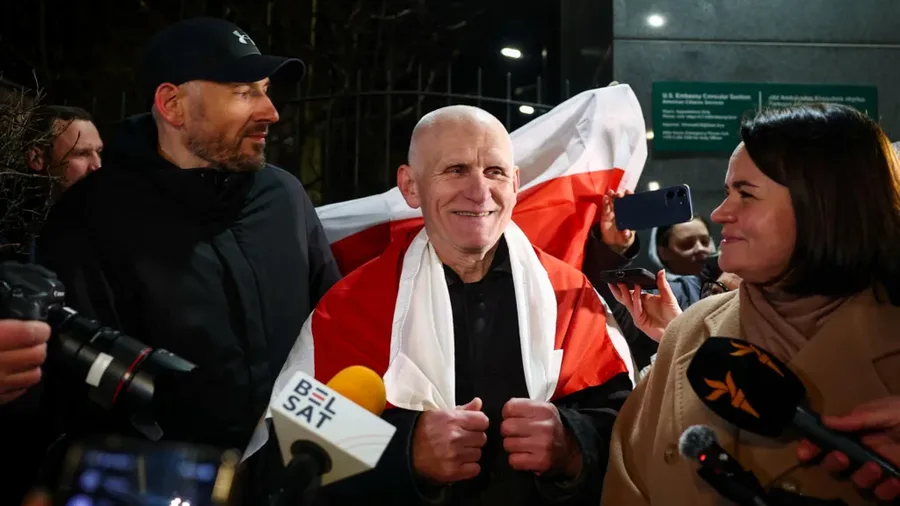
Following the news of the release of 123 political prisoners in Belarus, including renowned activist Maria Kolesnikova and Nobel Peace Prize winner Ales Bialiatski, new details are being made public about how their release was organized and about the course of the agreement directly related to the lifting of sanctions by the US.
According to Ukrainian authorities, Kolesnikova and 113 other prisoners were handed over to Ukraine, and will then be transferred for medical treatment and temporary accommodation in Poland and Lithuania. The news was confirmed by the Ukrainian Coordination Headquarters for the Treatment of Prisoners of War, in a statement on Telegram.
Meanwhile, a smaller group, including Bialiatski, was flown directly to Vilnius, the capital of Lithuania, where they were met by the exiled Belarusian opposition leader, Svetlana Tikhanovskaya. After hugging Bialiatski, he briefly declared: “Thousands of people are still imprisoned... that’s why our fight continues.”
After a brief phone call with her sister, Tatiana Khomich, who has been the strongest voice for her release, Maria Kolesnikova expressed gratitude to the US administration, President Trump, and the Belarusian authorities for reaching the agreement.

According to Belarusian media, the agreement includes the immediate lifting of sanctions on the export of potash, a key product for the Belarusian economy and one of the country's strategic exports. John Coale, President Trump's special envoy for Belarus, stated that the lifting of sanctions would continue if the normalization process moves forward.
Analysts see the deal as a major diplomatic success for authoritarian President Alexander Lukashenko, who has been in international isolation for years. The EU and the US do not recognize him as president after the rigged 2020 elections, which led to mass protests and brutal arrests, including those of Kolesnikova and Bialiatski.
The agreement with the US is seen as part of a major shift in US policy towards Belarus, which seeks to engage Minsk in talks, including on the issue of the war in Ukraine. Coale also said he had discussed with Lukashenko the possibility of Belarus mediating with Moscow in a possible peace process.
From Vilnius, Svetlana Tikhanovskaya commented on the agreement between the US and Minsk: “Sanctions are the only means to force dictators to do something. Lukashenko does not release people because he has become more humane. He will sell them as dearly as he can.”
She warned that US sanctions are reversible and could be reinstated if the Belarusian regime does not implement the agreement.
The agreement to release prisoners and lift sanctions comes at a delicate moment, when the EU is following the line of isolation, while the US is testing direct engagement with the Lukashenko regime, which remains a close ally of Russia.
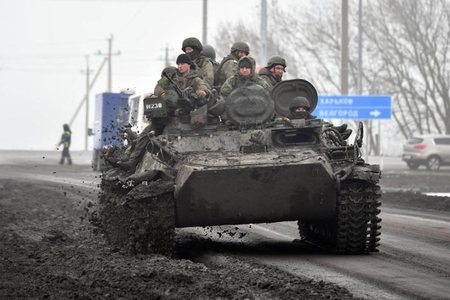
In 2022, during the beginning of the invasion of Ukraine, the territory of Belarus was used for missile launches and the movement of Russian troops, which made the country part of the conflict in the eyes of the West.


Lini një Përgjigje