


 Shkruar nga Pamfleti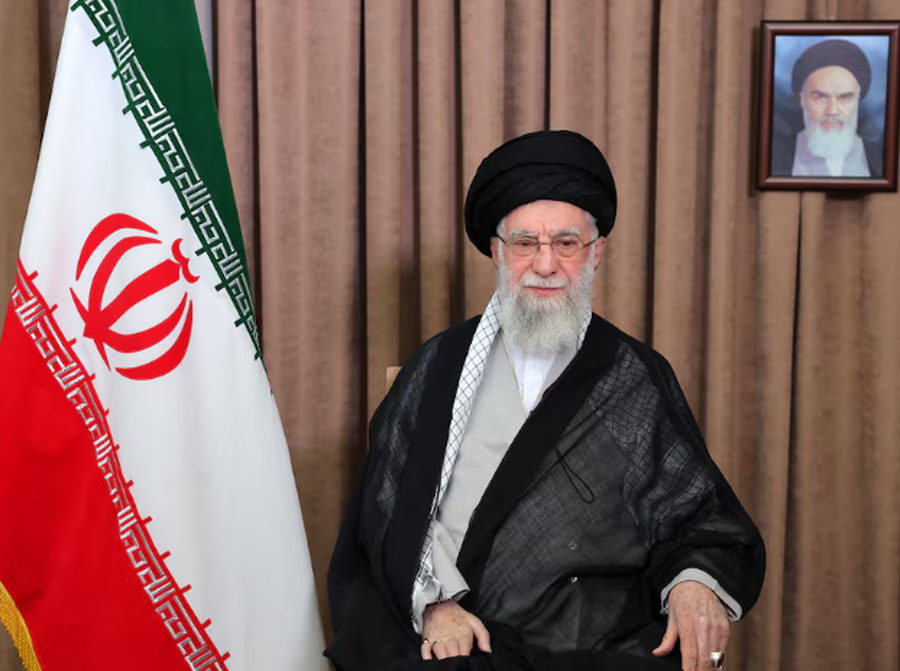
Ali Khamenei has suppressed unrest and survived external pressure before, but as his envoys try to avert US air strikes through talks, he faces the most serious crisis of his 36 years in power.
Ali Khamenei, Iran's Supreme Leader, has suppressed domestic discontent and resisted foreign pressure before. But as his envoys move swiftly to avert threatened US air strikes through ongoing talks, he faces the most serious crisis of his 36-year rule.
The population, disillusioned and weary, faces an economy battered by sanctions. Mass protests in January were violently suppressed, at the cost of thousands of lives lost. Israeli and American attacks last year hit valuable nuclear and missile facilities. Iran's regional policy remains in shambles, while former allies and proxies in the region have weakened or disappeared.
As the threat of war looms over the Middle East, the 86-year-old's fierce commitment to the Islamic Republic, his unwavering hostility to the West and his ability to drag out negotiations with maneuvers will influence the fate of the region.
Preserving the Islamic Republic of Iran at all costs
This year, Khamenei ordered the deadliest crackdown since the 1979 Islamic Revolution, declaring that protesters "must be put in their place," before security forces opened fire on demonstrators chanting "Death to the dictator!"
US President Donald Trump's threats to bomb Iran again come just months after Khamenei was forced into hiding last June, following attacks that killed several close aides and Revolutionary Guard commanders.
This attack was among the many indirect consequences of the attack on Israel by the Iranian-backed Palestinian group Hamas on October 7, 2023, which not only ignited the war in Gaza but also prompted Israel to hit back hard at other regional proxies of Tehran.
With Hezbollah weakened in Lebanon and Bashar al-Assad toppled in Syria, Khamenei's influence in the Middle East has shrunk. Now he faces American demands that Iran give up its most important remaining strategic leverage: its arsenal of ballistic missiles.
Iran has also offered notable concessions on its nuclear program, which it says is purely civilian but which the West and Israel see as a path to an atomic bomb. However, Khamenei has also refused to discuss giving up its missiles, which Iran sees as its only remaining deterrent against an Israeli attack. That insistence could itself invite US air strikes.
Ndërsa intensifikohet grumbullimi ushtarak amerikan, llogaritjet e Khamenei-t do të mbështeten te një karakter i formuar nga revolucioni, vitet e trazirave dhe lufta me Irakun, dekada përplasjesh me Shtetet e Bashkuara dhe një grumbullim i pamëshirshëm i pushtetit.
Khamenei sundon që nga viti 1989 dhe mban autoritetin përfundimtar mbi të gjitha degët e qeverisë, ushtrinë dhe gjyqësorin.
Edhe pse zyrtarët e zgjedhur administrojnë punët e përditshme, asnjë politikë e madhe — sidomos ajo që lidhet me Shtetet e Bashkuara — nuk ecën përpara pa miratimin e tij të drejtpërdrejtë. Aftësia e Khamenei-t për të menaxhuar sistemin kompleks iranian të sundimit klerikal, të kombinuar me elemente të kufizuara të demokracisë, siguron që asnjë grup tjetër të mos i sfidojë vendimet e tij.
Si udhëheqës, Khamenei dikur ishte larg të qenit “suprem”
Në vitet e para të sundimit, shumëkush e konsideronte Khamenei-n të dobët dhe një pasues të pamundur të themeluesit të ndjerë të Republikës Islamike, Ajatollah Ruhollah Khomeini, i njohur për karizmën e tij.
Kur u emërua Udhëheqës Suprem, Khamenei ende nuk e kishte arritur gradën fetare të ajatollahut, gjë që ia vështirësoi ushtrimin e pushtetit përmes autoritetit religjioz, siç e parashikonte sistemi teokratik.
Pasi u përpoq për një kohë të gjatë të dilte nga hija e mentorit të tij, ai e imponoi veten duke ndërtuar një aparat sigurie të fuqishëm, i përkushtuar vetëm ndaj tij.
Khamenei nuk i beson Perëndimit, veçanërisht Shteteve të Bashkuara, të cilat i akuzon se synojnë ta rrëzojnë.
Në një fjalim tipikisht luftarak pas protestave të janarit, ai e fajësoi Trumpin për trazirat, duke thënë: “Ne e konsiderojmë presidentin e SHBA-së kriminel për viktimat, dëmet dhe shpifjet që i shkaktoi kombit iranian.”
Megjithëse ideologjikisht i ngurtë, ai ka treguar gatishmëri të tërhiqet kur mbijetesa e Republikës Islamike vihet në rrezik.
Koncepti i “fleksibilitetit heroik”, që Khamenei e përmendi për herë të parë në vitin 2013, lejon kompromise taktike për të çuar përpara synimet e tij, duke pasqyruar vendimin e Khomeini-t në vitin 1988 për të pranuar armëpushimin pas tetë vitesh lufte me Irakun.
Mbështetja e kujdesshme e Khamenei-t për marrëveshjen bërthamore të vitit 2015 me gjashtë fuqitë botërore ishte një tjetër moment i tillë, pasi ai llogariti se lehtësimi i sanksioneve ishte i domosdoshëm për të stabilizuar ekonominë dhe për të forcuar kontrollin e tij mbi pushtetin.
Trump u tërhoq nga pakti i vitit 2015 gjatë mandatit të parë, në vitin 2018, dhe rivendosi sanksione shkatërruese ndaj Iranit. Teherani reagoi duke shkelur gradualisht të gjitha kufizimet e dakorduara të programit bërthamor.
Struktura e sigurisë besnike, çelësi i pushtetit të Khamenei-t
Në periudha presioni në rritje, Khamenei është mbështetur vazhdimisht te Garda Revolucionare Islamike (IRGC) dhe te Basij, një forcë paramilitare me qindra mijëra vullnetarë, për të shuar kundërshtimin.
These structures suppressed the protests that erupted after the re-election of Mahmoud Ahmadinejad as president in 2009, amid accusations of vote manipulation.
In 2022, Khamenei acted equally harshly through the arrests, imprisonments, or executions of protesters angered by the death in custody of Mahsa Amini, a young Iranian-Kurdish woman.
Again, the Guard and Basij suppressed the latest wave of protests in January.
His power is also linked to the pre-state financial empire known as Setad, which is under Khamenei's direct control. Worth tens of billions of dollars, it has expanded significantly during his rule and has invested billions in the Revolutionary Guard.
Scholars outside Iran describe Khamenei as a secretive ideologue who fears betrayal — an anxiety fueled by an assassination attempt in June 1981, when a bomb hidden in a tape recorder paralyzed his right arm.
Khamenei himself, according to his official biography, survived severe torture in 1963, when at the age of 24 he served the first of many prison sentences for political activity during the Shah's rule.
After the Revolution, as deputy defense minister, Khamenei became close to the Guard during the Iran-Iraq war (1980–1988), which claimed a million lives on both sides.
He won the presidency with the support of Khomeini, but was unexpectedly selected as successor when the supreme leader died, lacking both mass popularity and the highest clerical credentials.
Karim Sadjadpour, of the Carnegie Endowment for International Peace, said this “accident of history” had transformed a “weak president” into an “initially weak supreme leader,” and then “into one of the five most powerful Iranians of the last 100 years.” /Adapted from Reuters /



Lini një Përgjigje