


 Shkruar nga Pamfleti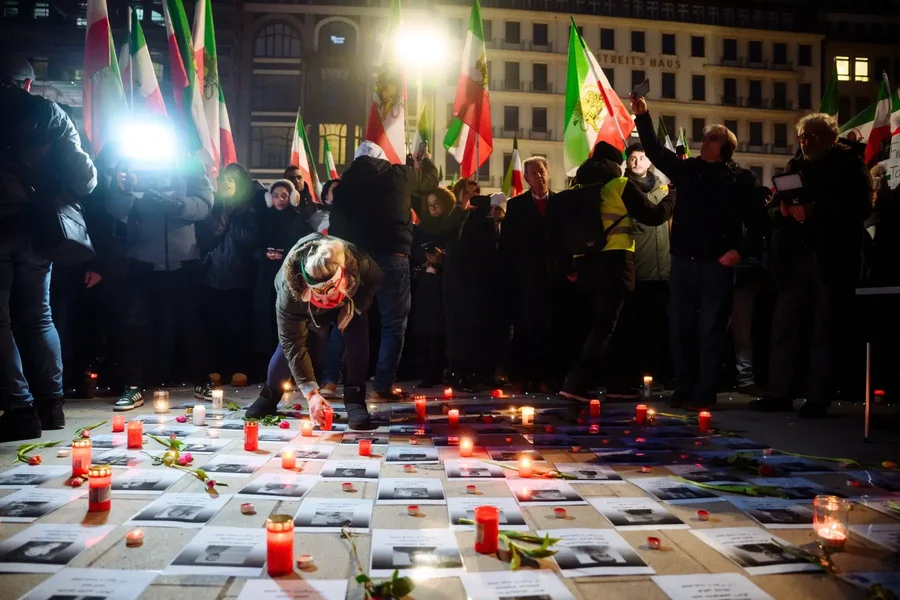
The nationwide internet shutdown in Iran continues, as the reported death toll from the latest protests rises and has passed 30,000.
Digital rights watchdog NetBlocks said 400 hours of data were lost during the internet outage in Iran, adding that “brief surges in network connectivity” could create a false impression of a broader internet restoration. It said tools such as VPNs had enabled limited internet communication.
Human rights groups say the internet shutdown has made it very difficult for protesters to organize and has restricted the flow of information, making it difficult to independently verify victims.
The US-based human rights organization HRANA says the confirmed death toll now stands at 5,459, while the number of victims still under investigation is 17,031.
However, a report published by Time magazine says the death toll in the protests in Iran could exceed 30,000, according to two senior Iranian health officials it spoke to.
The report, published on January 25, shows that most of the deaths occurred on January 8–9, when the government’s crackdown on nationwide protests reached its peak. Due to widespread censorship and prolonged internet outages, the reported death toll from the protests cannot be independently verified.
The figures reported by Time significantly contradict the official death toll of 3,117 announced by Iran's Supreme National Security Council, but are more in line with international estimates.
The United Nations has suggested a significantly higher death toll, and Mai Sato, the UN special rapporteur on human rights in Iran, said on January 22 that the number of civilians killed could exceed 20,000. Additional details have also been released on the number of protesters injured in the crackdown.
The semi-official Iranian news agency ISNA reported that Qasem Fakhrayi, director of Farabi Hospital in Tehran, said the number of patients with eye injuries from rubber bullets had risen to about 1,000 on January 9, compared to about 55 cases in the previous days. Nearly 200 injured people were transferred to other hospitals due to lack of capacity.
Maryam Sabbaghi, the hospital's head nurse, announced that all beds were occupied, stretchers were borrowed from another facility, and patients were placed in the corridors. The economic impact of the internet outage has also increased.
Majidreza Hariri, head of the Iran-China Chamber of Commerce, said that traders were only allowed to access the internet for 20 minutes a day under official supervision, a level that, according to him, is insufficient for business development.
Ali Hakim-Javadi, head of the Computer Trade Organization of Iran, said the outage is causing daily losses of 20–30 trillion rials ($18–28 million at the current free market rate).
Meanwhile, the Coordinating Council of Teachers' Union Associations has published the names of more than 40 students it says were killed during the crackdown, citing information from reliable sources. The umbrella organization of independent teachers' unions in Iran says the list will be gradually updated.
The violence has also prompted criticism from a senior Sunni cleric inside Iran. Molavi Abdolhamid Esmailzehi, the imam of Friday prayers in Zahedan, called the killings a "systematic massacre."
"This tragedy has created a deep and irreparable rift between the people of Iran and the government ," he said.





Lini një Përgjigje