


 Shkruar nga Pamfleti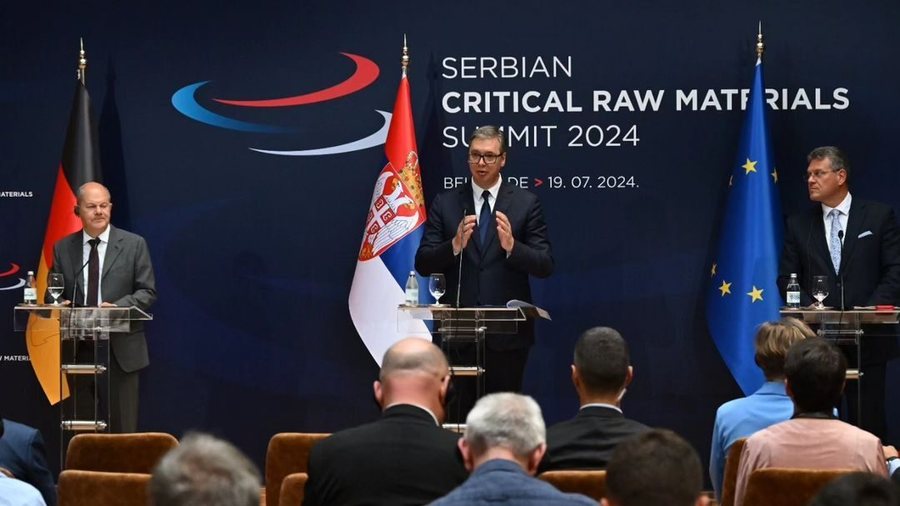
When looking at the history of the human race and its civilizational development, it is easy to see that certain periods are named after the dominant mineral raw material that was used in a given period. Thus, throughout the past there have been stone, copper, bronze and iron ages of human prehistory.
If we look at modern civilization, it is likely that the time of the first two industrial revolutions in the last two centuries will be called the "Coal Age" and the "Oil Age", and perhaps that period will be collectively called the "Fossil". Current events show us that we are heading towards a new era that can be called the "Lithium Age".
Lithium is an alkali metal that has a low specific gravity and has the lowest density of all the solid elements. We owe the discovery of this chemical element to the Swedish scientist Johan Arfwedson, who two centuries ago discovered the presence of an unknown element in the minerals petalite, spodumene and lepidolite. The element was named lithium because it is isolated from stone (Greek litos – stone), and secondly the Latinized form was more often used. A company from Germany, Chemetall GmbH began commercial production of lithium a century ago. Its use was in the form of a lubricant and in the glass industry.
Dominant in battery production
When it was discovered in the USA that tritium, the isotope of hydrogen used to produce the hydrogen bomb, can be obtained from lithium, the more intensive exploitation of this ore raw material began.
Today, lithium is used for various purposes, but its role is dominant in the production of lithium batteries. The advantages of these batteries are many. It should be noted that the lithium battery is not sensitive to harmful external effects and has a very long life.
In addition to being used in consumer electronics, these batteries have been used in military electric vehicles and aircraft. The development of the electric car industry has placed lithium batteries in a very important place and brought lithium as a raw material to the level of constant demand. In the last quarter of a century, this element has been intensively sought after, and at the same time the advantages and disadvantages of using lithium in a certain area began to be considered.
Në vitet e fundit, vendet e Ballkanit Perëndimor, veçanërisht Serbia, janë përmendur shpesh si zona të mundshme të shfrytëzimit të litiumit. Së fundmi, kancelari gjerman Olaf Scholz udhëhoqi një delegacion që nënshkroi një “memorandum” në Beograd, ku thuhet se nxjerrja e litiumit do të sjellë përfitime të mëdha për ekonominë serbe, por edhe do të mundësojë mbijetesën e industrisë gjermane të automobilave në tregun botëror. Makinat elektrike kërkojnë sasi të mëdha të litiumit për bateri dhe Kina ka “parakaluar” vendet e BE-së për t’u shfaqur si prodhuesi më i madh i baterive dhe automjeteve elektrike.
Depozitat më të mëdha të litiumit që shfrytëzohen në planet janë në Australinë Perëndimore, shkretëtirën Atacama në Kili, Rrafshnaltën e Tibetit në Kinë dhe Argjentinë. Depozita potencialisht të mëdha janë në Bolivi dhe Afganistan, por valorizimi i tyre është ende në fillimet e tij. Australia prodhon gjysmën e litiumit në planet. Depozitat më të mëdha në Evropë janë në rajonin e Carinthia në Austri, afër qytetit të Wolfsberg dhe afër Cinovec (Zinwald), 100 kilometra nga Praga, në kufirin e Republikës Çeke dhe Gjermanisë. Depozita të mëdha gjenden gjithashtu në malet xeherore gjermane dhe në Francë. Pikërisht për këtë mund të shtrohet pyetja pse ekonomia e BE-së, veçanërisht e Gjermanisë, kërkon litium nga Ballkani dhe jo nga minierat e veta? Realisht, mund të ketë dy arsye: kursimi i burimeve të veta dhe lëvizja e “teknologjisë së pistë”.
Kur flasim për rajonet ballkanike, përveç Serbisë perëndimore, lokacione potenciale për nxjerrjen e litiumit janë edhe në Bosnje. Dhe nga fakti se Serbia dhe Bosnja nuk janë pjesë e BE-së, janë pikërisht këto burime që Unioni mund të përdorë për të reduktuar varësinë e tij nga Kina. Përveç depozitave të veta, Kina ka blerë depozitat e litiumit në Kili, Kanada dhe Australi për 5.6 miliardë dollarë në vitet e fundit.
Vetë miniera nuk është e dëmshme, por marrja e litiumit nga minerali i papërpunuar është shumë problematik për mjedisin. Metali litium është shumë gërryes dhe kontakti me lëkurën duhet të shmanget. Në kontakt me lagështinë, formohet hidroksid litium gërryes. Përbërjet alkaline të litiumit dhe thithja e pluhurit të litiumit irritojnë traktin respirator dhe dytësor për akumulimin e lëngjeve dhe shkakton edemë pulmonare. Sigurisht, karakteristikat e tij të reaktivitetit të shpejtë, gërryerjes dhe ndezshmërisë së lehtë, pra paqëndrueshmëria e përgjithshme, e bëjnë litiumin larg nga elementi “më i sigurt” në planet.
The problem with lithium extraction is that when lithium is extracted from the ore jadarite, the entire rock must be destroyed. First it is crushed and ground and then it is chemically treated with concentrated acids. On a daily basis, approximately 1000 tons of sulfuric acid and 15 tons of hydrochloric acid will be used in western Serbia. It is estimated that a large amount of water from the Drina River must be used to dilute the sulfuric acid. It is a region where the population is mainly engaged in agriculture and a disaster would occur if polluted water entered the agricultural land on both sides of the Drina.
Today's technology needs 500,000 liters of water to extract one ton of lithium. It's the toxic cocktail of chemicals that are produced and end up in waterways. In 2016, an ecological disaster occurred in rivers in Tibet. The mining of lithium caused the death of a large amount of fish and many livestock of the local livestock population. There is also a big environmental problem in the USA. According to reports, the diameter of the contamination around the mine in Nevada is 200 kilometers. What is "lucky about disaster" is the fact that most mines are located in sparsely inhabited deserts, and the problem becomes much greater when the process takes place near agrarian settlements and urban centers.
No guarantee of financial gain
If you look at the amount of natural resources, it is the largest in some African countries. What is the reality is that the natural base is not a guarantee for economic development. Thus, Congo, a country rich in mineral resources, is far from economic prosperity. Companies that are far from central Africa benefit the most from the exploitation of ores there, and the Congo is left with polluted soil, polluted atmosphere and polluted water. And this is a classic feature of neo-colonialism.
Apart from ecology and the fear of environmental damage, the use case for lithium does not guarantee any great economic benefits. The next period will probably tell us whether the recently signed document should have been called the "memorandum for the exploitation of the mineral wealth of Serbia due to the development of German industry".
The use of lithium as a drug in psychiatric treatment is interesting. It is used in the treatment of bipolar disorder - from mania to depression. "Lithium fever mania" currently dominates, but the question is whether the environmental consequences will condition the dominance of "depression". If the native population does not want such a bipolar feeling to emerge, before any activity that brings immediate profit, the consequences must be carefully considered. Clean water, air and healthy food are priceless.
That is why Serbia is also protesting against the memorandum with Germany, even though it seems like an economic miracle for the Balkan country./ Te Sheshi




Lini një Përgjigje