


 Shkruar nga Pamfleti
Iran is trying to put pressure, through its retaliation, not only on neighboring states, but on all Gulf states as a whole to choose a camp without delay - the Gulf Cooperation Council countries are strengthening their joint defenses after Tehran's missile and drone attacks.
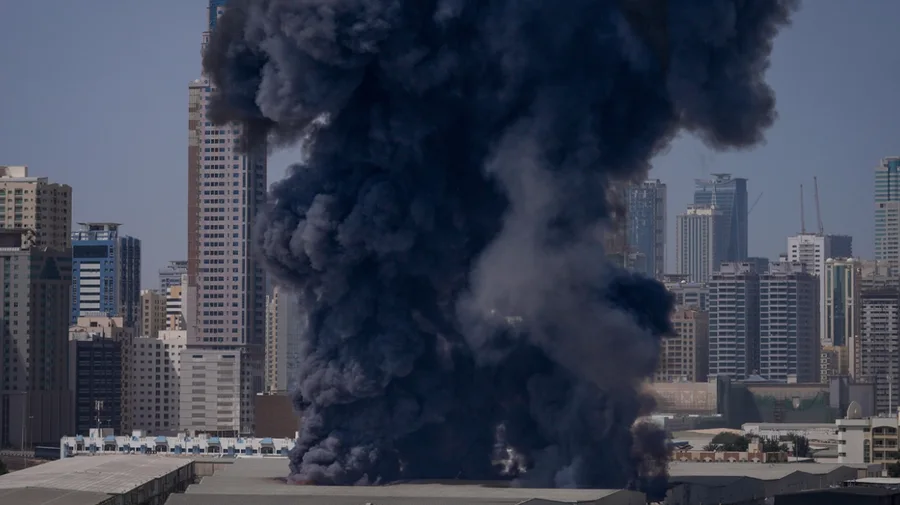
The regional dimension of Iran's retaliatory attacks against Arab and Muslim states is becoming increasingly apparent after the outbreak of the conflict, becoming a key point for the outcome of the war and for the new balances of power that are being formed in the Middle East.
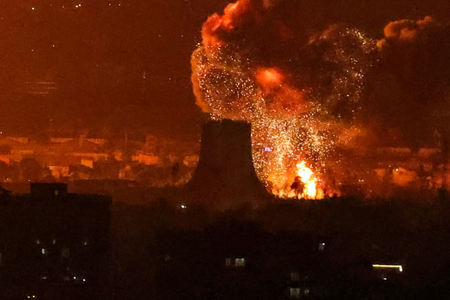
Contrary to initial predictions, Tehran appears to have significantly expanded the scope of its retaliation. In addition to political and military targets, Iranian attacks have also targeted strategic infrastructure, such as airports, hotels, and oil processing facilities, significantly increasing the risk to the regional economy.
???? Iranians just won't calm down — still bombing Dubai, which never wanted any part of this mess
— NEXTA (@nexta_tv) March 7, 2026
Hit on Dubai International Airport (world's busiest international hub).
Preliminary reports: no casualties this time. pic.twitter.com/ClAkBWAFR3
According to analysts, Iran's strategy goes beyond simply bombing US bases in neighboring countries. Despite the religious ties that unite Tehran with most Persian Gulf countries through Islam, Iran - a powerful representative of Shiite Islam - seems to be directly confronting the "Sunni arch" of the Gulf states.
The attacks have affected Gulf Cooperation Council (GCC) member states, with a particular focus on the United Arab Emirates. Despite repeated ballistic missile and drone attacks, GCC countries have come together, strengthening cooperation in defense against Iranian missiles and drones, despite previous disagreements among them.
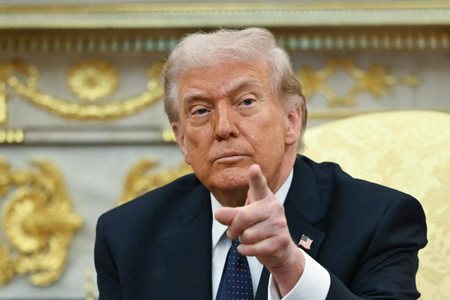
The attacks on the Arab world appear to have caught even US President Donald Trump by surprise. Speaking to CNN, he described the Iranian strikes in the Persian Gulf as the "biggest surprise" of the conflict so far, noting that Gulf states were expected to have minimal involvement, while now they are insisting on being part of the developments.
In the case of the United Arab Emirates, the situation is considered even more unexpected, as Abu Dhabi and Tehran had built an informal agreement to avoid direct confrontation, due to Iran's strong economic interests in Dubai. However, the Emirates have been hit with ballistic missiles and drones, indicating that Tehran is aiming to send a strong message to the region.
Analysts believe that through these attacks, Iran aims to damage the image of the Gulf as a safe zone for business and tourism. A center like Dubai, known for its role in the regional economy and tourism, is already under direct threat.
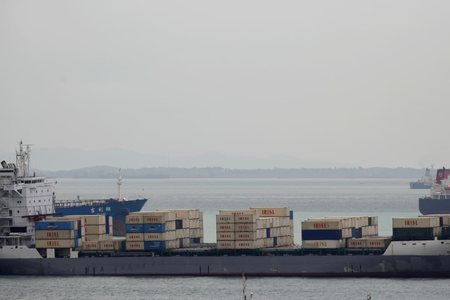
At the same time, there are fears that the escalation of the conflict could also affect the global economy, as oil infrastructure and the Strait of Hormuz remain potential targets for attack.
According to experts, Iran is implementing a "chaos strategy", exerting pressure on all Gulf states to force them to clearly choose a camp in the conflict. The attack on Oman, a country that has traditionally played a mediating role in the region, is also interpreted in this context.
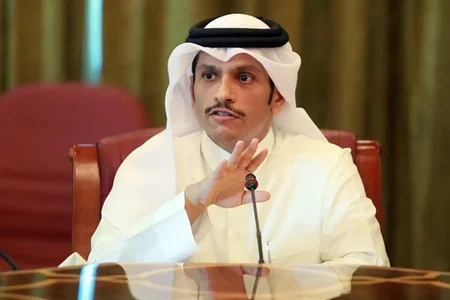
However, the Gulf countries' response has been united. The six members of the Gulf Cooperation Council, Saudi Arabia, Kuwait, Qatar, Bahrain, the United Arab Emirates and Oman, held a joint meeting, where they expressed solidarity and pledged to take all necessary measures to protect their security and stability, as well as their territory and citizens, while leaving open the possibility of responding to aggression.


Lini një Përgjigje