


 Shkruar nga Federiko Rampini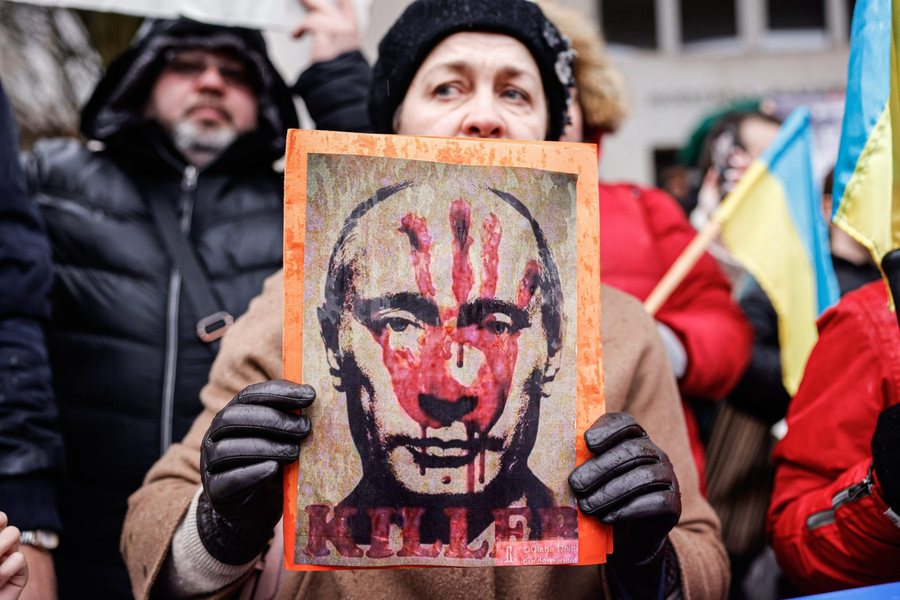
Putin will start preparing the third war in Ukraine; she will direct her imperialist pressure towards the Baltic and Poland...
Two years after the (second) invasion of Ukraine by Vladimir Putin, I owe you a self-criticism. Not only am I concerned and outraged by the cruel suffering inflicted on the Ukrainian people. Not only am I disappointed by the terrible turn the balance of power is taking in the military field. In all honesty I must add that I am not satisfied with my analysis. A year ago, on the first anniversary of that attack, I was more optimistic about the Ukrainians' chances of defending themselves with our support. I believed that they could manage to repel the invader and free some of the occupied territories from a criminal attack. A year ago at this time I saw a weakened Putin; and Wagner's revolt against him had not yet taken place.
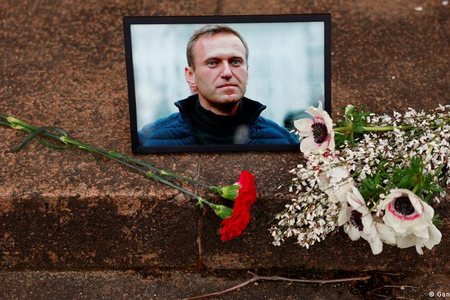
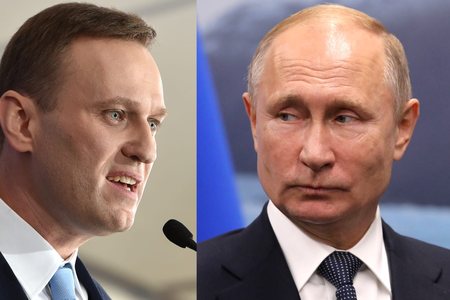
Now, after the death of Alexei Navalny, I resist the temptation to interpret that shameful murder as a sign of Putin's "weakness." Unfortunately, the weak tyrants in history were often those who were reluctant to carry their ferocity to the limit against their opponents. The Shah of Persia lost his throne because he was reluctant to use all means to suppress his opponents. Putin applies another rule, which has worked so far: never show satisfaction, do not be "human", otherwise opponents will take advantage.
In the analysis I did a year ago, I never believed in the decisive effectiveness of our sanctions, because I remembered that they failed to subdue even the smallest dictatorships in the least strong countries: North Korea, Iran or Syria. But I exaggerated Putin's isolation and paid too much attention to those military experts who exaggerated the initial failure of the Russian military.
What has happened since then to bring us to today's situation?
The failures of the West and the causes
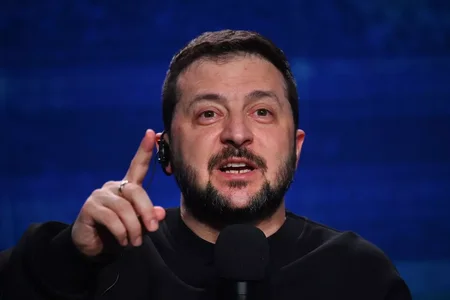
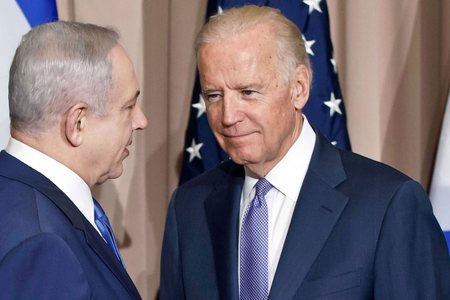
Our aid to Ukraine is not what was promised and even much less than what was needed. Even America has been less generous. From the start of the conflict, Joe Biden had opted for moderation, the exact opposite of what "inciting Ukrainians into a proxy war" talked about by self-styled pacifists in the West. It was Biden who first advised Zelensky in February 2022 to flee the country in the face of the occupier. Biden was categorical from the beginning in ruling out sending American soldiers to that front; equally categorical in ruling out a war between America and Russia, thereby showing Putin the limits of US engagement (another sign of encouragement to the Tsar).
On several occasions, Biden has denied supplying Kiev with weapons that could strike Russian territory. As for "junk" munitions, the US arsenals are very small because, contrary to what the "pacifist" propaganda claims, America significantly reduced its arms industry after the Cold War. Let's not talk about the Europeans. In short, the West has showered Ukraine with beautiful words, but real support has always had limits. As for sanctions, they have never been decisive in history. We are just starting to talk about the use of assets virtually seized by Russia today, two years late.
The crisis in the Middle East that no one predicted
Then there was the Gaza effect. The opening of a second front in the Middle East diverted the strategic attention, political resources, and even weapons, that the United States should have provided to Ukraine. Also because of the tragedy in Gaza, we have had a kind of "early Trump effect": large parts of the American public opinion have shown that they are "weary of wars". Right-wing isolationists and left-wing "pacifists" have surrounded Biden. In this new political atmosphere, the impasse has also matured in the Congressional votes in Washington on the supply of arms to Ukraine, regardless of Trump's re-election chances. The latter did his part, discrediting the value of NATO.
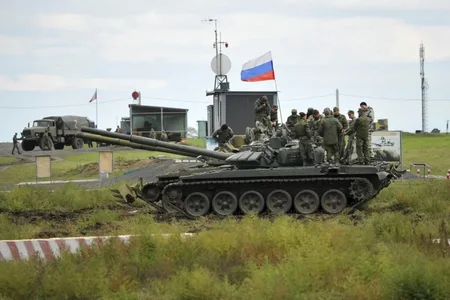
Russia's military leaders were quicker than expected to learn from their mistakes. Putin was faster than expected in reorganizing all of Russia as a war economy, with the help of the "usual suspects": China, Iran, North Korea. The Global South, from India to Africa, today seems even less inclined to sanction Russia, as the priority has become the punishment and isolation of Israel.
Who was right?
The self-criticism that I feel is the right thing to do today, compared to the analysis of a year ago, does not at all lead me to agree with the self-proclaimed "pacifists". Those who marched against military aid to Ukraine have always objectively worked for butcher Putin. Denying the Ukrainians weapons would only accelerate the carnage demanded by Putin. The slogans of the so-called "pacifists" were always aimed at the West, never at the aggressor. Nor was it ever seen what "diplomatic solution" Putin wanted to negotiate, other than a Ukrainian surrender. The latter, by the way, is a terrible decision that is not up to us.
Në autokritikën time përpiqem të bëj një përzgjedhje të burimeve që citova në analizat e viteve të fundit, për të gjetur “kush kishte të drejtë”. Duke përjashtuar pacifistët, kampionët e hipokrizisë, në vend të kësaj gjej disa vëzhgues që kishin më shumë qartësi dhe largpamësi se të tjerët. Ata janë të gjithë në kampin e kundërt të "pacifizmit". Në disa nga analizat e mia citova shefin e atëhershëm të shtabit të SHBA, gjeneralin Mark Milley. Njeriu që ishte shefi ushtarak i Pentagonit deri pak muaj më parë, foli për dy skenarë: një luftë llogore gjithëpërfshirëse në stilin e Luftës së Parë Botërore; ose skenari "korean", pra një armëpushim për të ngrirë situatën territoriale si në vitin 1953, pa një traktat paqeje midis dy Koreve. Analizat e gjeneralit Milley - të cilat i raportova në disa nga shkrimet e mia për Corriere - nuk i pëlqyen administratës së Bidenit dhe atij iu kërkua t'i mohonte ato.
Një tjetër shkollë mendimi që sot duket se po shijon një hakmarrje është ajo e realistëve të djathtë, si John Mearsheimer: krahu më konservator i realpolitikës Kisingeriane. Edhe këta nuk janë aspak pacifistë. Ata zakonisht besojnë se Amerika duhet të jetë e armatosur deri në dhëmbë për të penguar armiqtë. Por në të njëjtën kohë ata mendojnë se politika e jashtme duhet të injorojë vlerat etike. Ata mendojnë se është në interesin e Shteteve të Bashkuara të lënë Rusinë dhe Kinën me "zonat e tyre të ndikimit" (ku ata janë të lirë ta zotërojnë atë sipas dëshirës). E djathta realiste në fund të fundit frymëzon një personazh si Trump, i cili është gati t'i japë Putinit jo vetëm Ukrainën, por edhe vendet e tjera evropiane, sepse ai nuk mendon se Amerika ka një interes jetik për t'i mbrojtur ato. Epo, "pacifistët" të vetëquajtur janë shumë më afër Trump sesa do të donin ta pranonin.
Kthimi në perandorinë ruso-sovjetike ose riarmatimi i Evropës
Po tani? Putin ka bërë gabime strategjike që vendi i tij do t'i paguajë në afat të gjatë, unë mbetem i bindur për këtë. Rusia do të bëhet një koloni ekonomike e Kinës, e cila do të bëjë që shumë njerëz të gëlltisin krenarinë e saj nacionaliste. Putini ia dha NATO-s Suedinë dhe Finlandën, dy humbje të mëdha. Putini ka prerë kordonin e kërthizës që e bëri Evropën të varur nga lëndët djegëse fosile, duke e privuar veten nga "fuqia e butë" e madhe drejt një prej zonave më të pasura të planetit. Së fundi, dhe ndoshta më e rëndësishmja, Putini i dha Perëndimit popullin ukrainas që nuk do ta falë kurrë.
Gjendja e punëve në terrenin ushtarak sot është e tillë që nuk mund ta imagjinoj një rimëkëmbje të rajoneve të okupuara nga Rusia në Ukrainë, në një hark kohor të shkurtër ose të mesëm. Më pas, pasi ka pushtuar territorin, Putini do të fillojë të përgatisë luftën e tretë në Ukrainë; ajo do ta drejtojë presionin e saj imperialist drejt Balltikut dhe Polonisë.
To stop it, the construction of a common European defense that is reliable even without the Americans is urgently needed. This means the beginning of a powerful rearmament in Europe. European public opinion is not ready to bear the costs. It's time to start explaining what the cost of the alternative will be: rebuilding the Soviet sphere of influence. After all, Putin is the one who, when asked "what was the worst tragedy of the twentieth century", answered by revealing two world wars, the Holocaust, the Great Depression and did not hesitate to point to the end of the Soviet Union. /Adapted "Pamphlet" from "Corriere Della Sera"


Lini një Përgjigje