


 Shkruar nga Federico Rampini
What the foreign policy of a Trump II would be is difficult to predict, like many other things. The fact remains that for the system of alliances built by America, his return to the White House would be more dangerous than a Biden-Harris succession...
The American election campaign has already suffered a powerful incursion by hackers in recent days: from Iran and against Donald Trump. Will Vladimir Putin show up again this time? What effect do these cyber attacks have on the bottom line? To what extent was there an idyll between Trump and Putin?
Six years ago, as an accredited White House correspondent, I was in Helsinki, Finland, covering a bilateral summit between Trump and Putin. It was an unprecedented event, for reasons you will see below. I present to you that personal memory as I recorded it then as a direct witness. At the end I add some observations of 2024, including a necessary correction. But I will start with my notes.
July 16, 2018. Returning from Helsinki where I attended the summit between Trump and Putin, as an Italian journalist I have to confess a feeling of "déjà vu". It is not the first time it has happened, but perhaps never before has a parallel appeared between Trumpian America and our years with Silvio Berlusconi, as at this summit. An unprepared leader who makes a fool of himself abroad. A press - hated and shamed by him - that follows him only to ask him questions about national scandals, ignoring the topic of the summit. A press conference that becomes a debate arena for internal political purposes. Not exactly a pleasant feeling, also because in this case we are talking about what used to be called "the leader of the free world".
Therefore, the scenario forces me to start from the internal aspect, which in the end prevailed, although it is by no means the most important. But it's clear that Trump himself had to commit to a "damage control" exercise once he left Helsinki, that is, damage reduction, because he realized the image disaster. "I wanted to say the complete opposite." The opposite is sensational even for someone who is in the habit of contradicting himself. Surprised by the murmur of disapproval at the Helsinki summit - even among Republicans - 24 hours later the president was taking back what he had said at the last press conference with Putin. In which, to summarize and simplify, Trump attacked the FBI, intelligence, his country's justice system, supporting the Russian version of interference in the 2016 election campaign: all lies according to him. An unprecedented spectacle, a surrender to the enemy, in the eyes of many Americans and not just his leftist opponents.
As soon as he returned to Washington, the backlash came, with Trump accepting US intelligence conclusions about Moscow's meddling. The course correction was necessary because anger was also widespread among Republicans. The president's party, though in the throes of a kind of genetic mutation in the era of populism, is unwilling to support the Russophile turn in foreign policy. The harshest reaction (as always) was that of Senator John McCain: "No American president has humiliated himself so ignominiously before a tyrant." Strong words came from many of McCain's colleagues, including Senators Bob Corker of Tennessee and Jeff Flake of Arizona, Susan Collins of Maine and Charles Grassley of Iowa, Rob Portman of Ohio and Ben Sasse of Nebraska. A low point for Trump, caught off guard.
It seems that he himself began to understand the scale of the disaster aboard Air Force One on the way home when he saw the televised news of the press conference. To his pride, the biggest damage was seeing himself as a coward in front of Putin, manipulated and subjugated in front of the cameras. Trump expected to be able to organize a spectacular event like in Singapore with Kim Jong Un. He had downplayed the big differences: Russia is a superpower whose troops and nuclear arsenals border NATO; is the historical enemy of the Cold War; an ongoing investigation is gathering evidence of his interference in the election campaign. The traveling media approached the event in Helsinki with a completely different attitude from that of Singapore, determined to hold Trump accountable for alleged collusion. He fell for them completely, supporting those suspicions, because of the blind faith he showed in the former KGB spy.
Le të lëmë politikën e brendshme dhe t'i kthehemi performancës katastrofike të Helsinkit. Në atë konferencë për shtyp, Trump arriti një pikë të ulët, por jo vetëm për shkak të përgjigjeve të tij për Russiagate. Pati shumë rrëmujë: heshtje të turpshme për dosjet më të rëndësishme të politikës së jashtme; një ndjenjë e përgjithshme e frikës dhe inferioritetit ndaj Putinit. Në ballafaqimin me shtypin, ky i fundit u shfaq si mjeshtri i vërtetë i lojës: Putin shkoi aq larg sa të "shpjegojë" qëndrimin amerikan ndaj Krimesë, ndërsa përsëriti se ai është i ndryshëm nga ai. Trump nuk e përmendi atë. Ai harroi sanksionet dhe Ukrainën, dëbimet e diplomatëve në përgjigje të sulmit të komplotuar nga Moska kundër një agjenti rus në territorin anglez. Ai shmangu çdo përmendje të NATO-s. Për Putinin, rezultati ishte triumfal.
Përleshja mes Trump dhe mediave për Russiagate nuk ndikon në rëndësinë e vërtetë të samitit. Putin ishte në gjendje të deklaronte se nuk kishte "asnjë arsye të fortë" për përkeqësimin e marrëdhënieve midis dy vendeve. Ai renditi të gjitha "krizat rajonale" në të cilat Rusia mund të ndihmojë Perëndimin: nga Siria te terrorizmi islamik. Trump premtoi se "dialogu ynë do të japë fryte pozitive për dy kombet tona dhe gjithashtu për të gjithë botën. Midis dy superfuqive që kontrollojnë 90% të arsenalit bërthamor, dialogu është gjithmonë i preferuar".
Putini shfaqet si një përfitues i sigurt i shpërbërjes në Perëndim. Ai shfrytëzon mundësinë për hakmarrje, pasi e ka ndërtuar udhëheqjen e tij mbi narrativën e rrethimit perëndimor. Ai i tha popullit të tij se nga Gorbaçovi në Jelcin kishte një tunel të gjatë poshtërimi, tani Rusia e madhe rifiton rolin e saj midis kombeve dhe një marrëdhënie kuazi-barazie me Amerikën. Objektivi përfundimtar është prishja e lidhjes "të panatyrshme" BE-SHBA, për të thithur Evropën në shtratin e saj natyror: një degë e vogël e kontinentit aziatik.
Trump nuk ka një vizion gjeostrategjik. Megjithatë, ekziston një listë përfitimesh që e tërheqin atë drejt shkatërrimit të atlantizmit. Kursime në shpenzimet ushtarake. Kthimi në bilateralizëm në marrëdhëniet tregtare që rrit fuqinë negociuese të Amerikës. Nëse shkojmë drejt një lloj G3 SHBA-Rusi-Kinë, një drejtori superfuqish mund të stabilizojë disa zona të trazuara të globit, duke shmangur barrën dhe rreziqet e Amerikës që lidhen me rolin e policit botëror. Ky skenar, megjithatë, nënkupton pranimin se lidershipi amerikan është në rënie dhe duhet të ndahet; për më tepër që të vetmit bashkëbisedues efektivë janë regjimet autoritare ose "demokracitë" joliberale. Rendi i ri do të ishte ende i paqëndrueshëm. Kina dhe Rusia janë “fuqi revizioniste”: domethënë nuk pranojnë status quo-në, duan të ndryshojnë ekuilibrin e forcave dhe të rishikojnë sferat e ndikimit.
This concludes what I wrote six years ago. One thing, conveniently, was wrong in my analysis. The so-called "Russiagate" that dominated our attention turned out to be an unsubstantiated trend, if not actually a hoax created by Democrats. No collusion was proven between Trump and the Russians in the 2016 campaign. This is one of the reasons why the Republican base was convinced at the time that important state institutions, such as the FBI, allowed themselves to be manipulated and used for partisan purposes. . (Not new, the FBI since Edgar Hoover's post-war days was very political in the management of its investigations). Moreover, even many left-wing pundits ended up admitting that Russian hacker incursions during the election campaign were real, but in all likelihood did not have a significant impact on the final outcome. Therefore, the depiction of Trump as a candidate "constructed" by Putin, or blackmailed by him, was one-sided propaganda.
However, the impression I (and certainly not only me) got from the Helsinki summit remains: on the one hand, Trump's inferiority in the presence of a leader who is more prepared, more aggressive and sharper than him. On the other hand, the fatal attraction he tends to show towards autocrats, especially if the latter have the ability to flatter him.
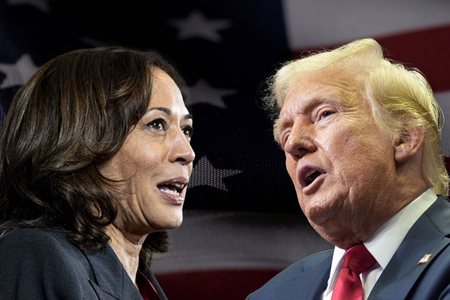
Finally, Putin's strategic plan to disengage America from Europe remains valid. What the foreign policy of a Trump II would be is difficult to predict, like many other things. The fact remains that for the system of alliances built by America, his return to the White House would be more dangerous than a Biden-Harris succession. /Adapted "Pamphlet" from "Corriere Della Sera"




Lini një Përgjigje