


 Shkruar nga Pamfleti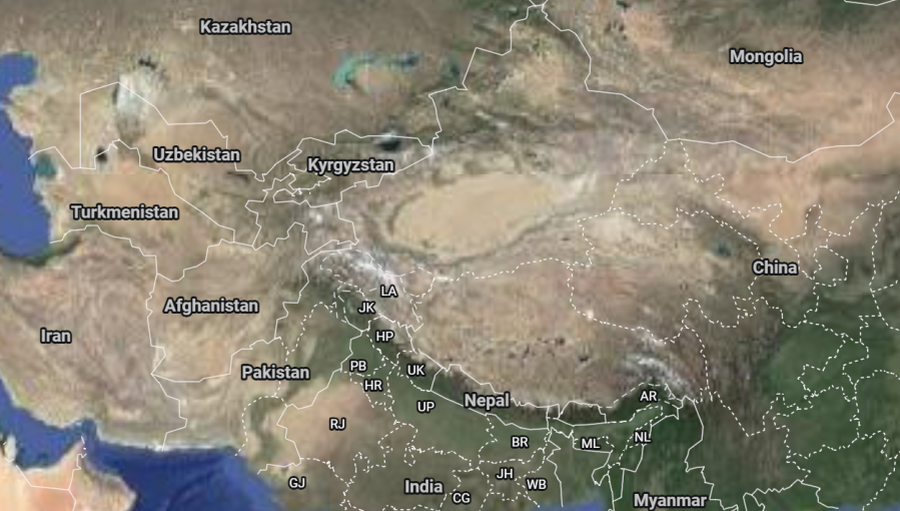
America's traditional allies in Europe and East Asia remain essential in the long run, but they have limited capacity to shift the balance of power where competition is most active...
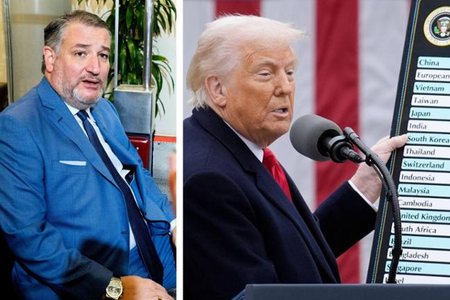
When US President Donald Trump unveiled the Gaza-focused “Peace Board” on the Davos stage, the message was clear and unmistakable: Washington’s center of gravity is shifting inland, away from existing treaty allies and toward a loose arc of Eurasian middle powers designed to complicate the ambitions of the CRINK bloc: China, Russia, India and North Korea.
The guest list told the story before Trump even took his seat. One by one, representatives from Bahrain, Morocco, Argentina, Armenia, Azerbaijan, Bulgaria, Hungary, Indonesia, Jordan, Kazakhstan, Kosovo, Pakistan, Paraguay, Qatar, Saudi Arabia, Turkey, the United Arab Emirates, Uzbekistan and Mongolia were called. Only after this procession did Trump emerge, king-like, and take center stage.
What emerged was not a traditional alliance but a kind of geopolitical belt, a nearly continuous stretch running through Central Asia, the South Caucasus, the Middle East, and the Balkans. At the same time, Western European countries and East Asian allies, long the pillars of US power projection around the world, were largely absent.
Belgium was the only Western European member on paper according to the report, but did not attend. Egypt was also on the list. Another no-show.
Similarly, none of America's five major allies in the Asia-Pacific treaty, including Japan, South Korea, Australia, the Philippines and Thailand, participated.
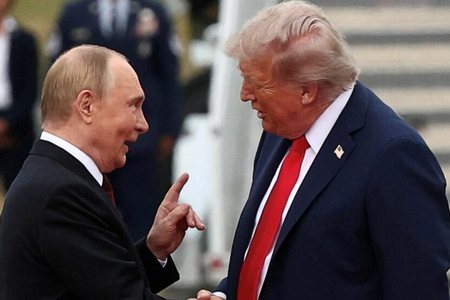
China and Russia, although invited, did not participate in the melodramatic opening.
The director of the Center for Middle East Peace and Security at the Hudson Institute, Michael Doran, quoted by Nikkei Asia, referred to the reason for the meeting as "the competition with China, like the Cold War before it, is essentially a war for Eurasia."
Doran presented the problem clearly: preventing a hostile alliance from blocking the world’s largest landmass. In a Trump world, that alliance is increasingly understood as an acronym, CRINK, grouping China and Russia with India’s strategic autonomy and North Korea’s open hostility.
"America's traditional allies in Europe and East Asia remain essential in the long run, but they have limited capacity to shift the balance of power where the competition is most active," Doran said, implying the same thing.
“Brezi i mesëm euroaziatik është vendi ku ndikimi mund të kundërshtohet ende, dhe aty po përqendron përpjekjet e tij Trump”, shtoi ai.
Strategjia është tashmë e dukshme në terren.
Brenda Shaffer, një specialiste e rajonit Kaspik, duke folur gjithashtu për gazetën, argumenton se ndërtimi i shteteve të ngërthyera midis fuqive të mëdha është mënyra më e pastër për të zbutur presionin e CRINK pa provokuar konfrontim të drejtpërdrejtë.
“Një nga mënyrat më të mira për të frenuar Kinën pa përballje të drejtpërdrejtë me Pekinin është forcimi i shteteve të Azisë Qendrore dhe Azerbajxhanit”, tha ajo.
E njëjta logjikë mbështeti vendimin e Trump verën e kaluar për të sjellë Presidentin e Azerbajxhanit Ilham Aliyev dhe Kryeministrin armen Nikol Pashinyan në Shtëpinë e Bardhë, duke nxjerrë në këtë proces një angazhim për t'i dhënë fund konfliktit prej dekadash.
Bisedimet çuan në krijimin e Rrugës Trump për Paqe dhe Prosperitet Ndërkombëtar (TRIPP), një plan i largët për të ndërtuar korridore hekurudhore, rrugore dhe energjetike përmes Armenisë jugore, duke lidhur enklavën Nakhçivan të Azerbajxhanit me kontinentin.
Një samit i paprecedentë në Shtëpinë e Bardhë me udhëheqësit e 5 shteteve të Azisë Qendrore, ishte një sinjal delikat, por i theksuar në një rajon ku ndikimi i CRINK-ut po rritet.
“Nga të gjitha nismat e paqes të Trump, pista Armeni-Azerbajxhan është suksesi më i madh”, vijoi Shaffer, duke shtuar se “ajo do të mundësojë ndryshime të mëdha gjeopolitike në rajonin e madh të Kaspikut dhe do të rrisë praninë e SHBA-së në rajonin që kufizohet me Kinën, Rusinë, Iranin dhe Turqinë.”
Ndërkohë, diplomatë nga vendet aleate të hershëm të SHBA-së kanë qenë skeptikë. Disa e vënë në dyshim legjitimitetin e bordit. Të tjerë, veçanërisht ata në Evropë, kundërshtojnë përfshirjen e Rusisë. Qeveritë e Azisë Lindore, ndoshta si rezultat i normave kulturore në aspektin e respektit për autoritetin, preferojnë të kalojnë nëpër Kombet e Bashkuara ekzistuese, por gjithnjë e më të lëna pas dore, në vend të organeve të menjëhershme që gravitojnë rreth autoritetit personal të Trump.
Vendet që u regjistruan e shohin ndryshe, shton Nikkei. Për ta, Bordi i Paqes ka më pak të bëjë me Gazën sesa me pozicionimin e tyre si bartës të autoritetit në një rajon dhe botë që po formësohet gjithnjë e më shumë nga CRINK.
Megjithatë, realizimi i këtyre dëshirave do të jetë i vështirë për t’u arritur. Motorët e Pekinit “Një brez, një rrugë” tashmë po punojnë në të gjithë rajonin, me Kinën që dominon rrjetet tregtare në Kazakistan, Uzbekistan dhe “stanet” më të vogla.
India, which has long had an ambiguous stance toward Western security umbrellas, has deepened ties east and west of the Caspian, and trade with the five Central Asian republics grew from roughly $500 million around 2014 to about $1.7 billion by 2023. Moscow’s strategic and historic partnerships, from rail links to debt forgiveness, have created a pragmatic and sanctions-invulnerable network.
Trump's peaceful transactional movement, which aims to limit the CRINK axis by uniting the vast and contested spaces between them, lacks the infrastructure weight and commercial glue that CRINK member countries now have, in Central Asia, where pipelines and railways matter more than the pronouncements of think tanks.
Beijing and its partners are automatically winning. /Adapted from Intellinews /





Lini një Përgjigje