


 Shkruar nga Pamfleti
After months of Russian air strikes, Moscow has managed to modify its missiles to evade Ukrainian air defenses, according to the FT. The balance is also shifting on the eve of winter, with Moscow returning to its familiar strategy of hitting Ukraine’s power grid to plunge the country into darkness and undermine morale.
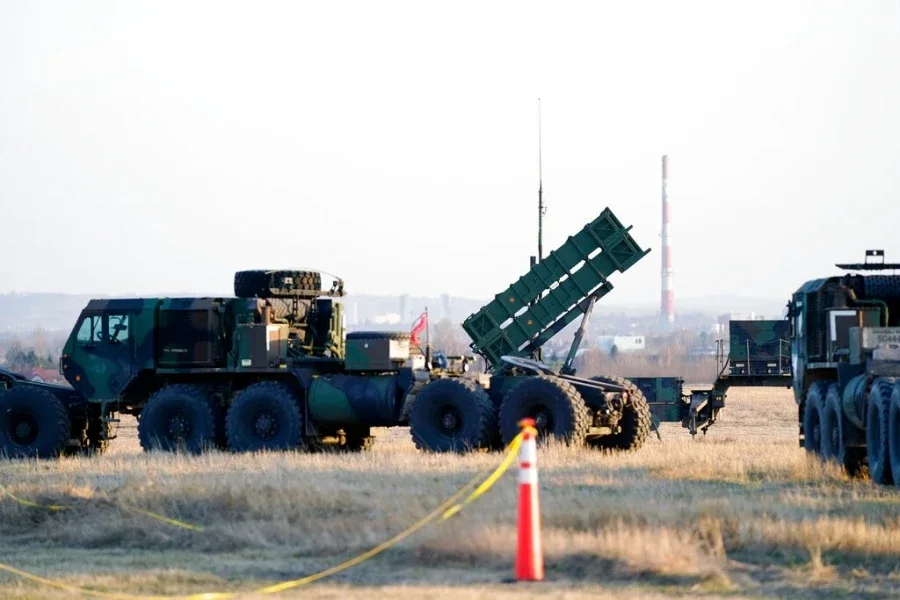
Kiev’s interception rate is falling as enemy strikes evade American interceptors at the last second. The bombings targeting Ukrainian drone manufacturers this summer were a prime example of Russia’s improved ballistic missiles, which are now more capable of countering the US’s Patriot batteries, current and former Ukrainian and Western officials told the Financial Times.
Russia has likely modified its Iskander-M mobile system, which fires missiles with an estimated range of up to 500 km, as well as its Kinzhal ballistic missiles, which can fly up to 480 km, they added.
The missiles now follow a typical trajectory before deviating and entering a sharp final dive or performing maneuvers that “confuse and evade” Patriot interceptors.
It is a “game changer for Russia,” said a former Ukrainian official. While Kiev also faces slower deliveries of air defense missiles from the United States, the missile campaign has damaged key military facilities and critical infrastructure ahead of winter.
Ukraine's ballistic missile interception rate improved over the summer, reaching 37 percent in August, but fell sharply to 6 percent in September.
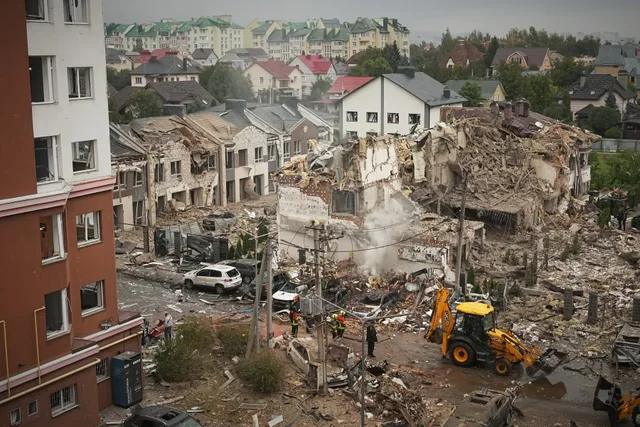
The Ukrainian Air Force said yesterday that all four Iskander-M missiles launched overnight evaded the country’s defenses and hit their targets. At least four drone manufacturing plants in and around Kiev have been severely damaged by missiles this summer, current and former Ukrainian officials said. That included an Aug. 28 attack on a facility that produces Turkish Bayraktar drones, according to public postings by local officials.
Two missiles fired in that attack appeared to have targeted the offices of a company that designs and manufactures components for unmanned aerial systems, two officials briefed on the incident said. The Russian missiles escaped Ukrainian air defenses and also damaged the offices of the EU delegation and the British Council, which were located nearby.

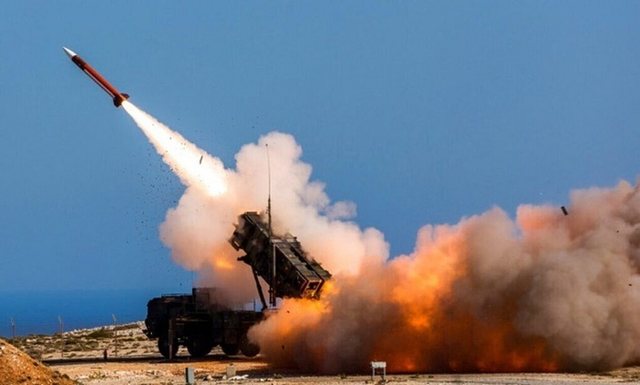
The Patriots are the only ones in Kiev's arsenal capable of shooting down Russian ballistic missiles. Moscow's cruise missiles can be shot down by less sophisticated air defense systems, but upgrades have made that more difficult, officials said.
Një zyrtar perëndimor i informuar mbi të dhënat e performancës së Patriot tha se shenja e parë e një përmirësimi të raketave ruse ishte një rënie e ndjeshme në shkallët e përgjimit. Ata thanë se kishte dalë një "model" në të cilin raketat hyrëse po silleshin ndryshe në "fazën e tyre përfundimtare", duke devijuar nga cilësimet e tyre të vendosura më parë.
Vlerësimi i zyrtarit mbështetet nga një raport i përgatitur nga inspektori i përgjithshëm special i Agjencisë së Inteligjencës së Mbrojtjes të SHBA-së, i cili mbulon periudhën nga 1 prilli deri më 30 qershor. Raporti tha se forcat e armatosura të Ukrainës "kanë pasur vështirësi në përdorimin e vazhdueshëm të sistemeve të mbrojtjes ajrore Patriot për t'u mbrojtur nga raketat balistike të Moskës për shkak të përmirësimeve të fundit taktike ruse, duke përfshirë përmirësimet që u lejojnë raketave të tyre të ndryshojnë trajektore dhe të manovrojnë në vend që të fluturojnë në një trajektore tradicionale balistike".
Ajo përmendi një sulm rus më 28 qershor që përfshinte shtatë raketa balistike, nga të cilat Ukraina rrëzoi vetëm një, dhe një breshëri më 9 korrik, sulmi ajror më i madh që nga fillimi i luftës në atë kohë, që përfshinte 13 raketa, nga të cilat Kievi rrëzoi ose shtypi 7.

Ukraina po ndan të dhënat e angazhimit të raketave Patriot me Pentagonin dhe prodhuesit amerikanë të sistemit të mbrojtjes ajrore, thanë zyrtarë perëndimorë dhe ukrainas. Raytheon, me seli në Virxhinia, prodhon sistemin Patriot, ndërsa Lockheed Martin, me seli në Maryland, prodhon raketat interceptuese të sistemit.
Të dhënat përdoren për të bërë përditësimet e nevojshme për të mbajtur ritmin me rregullimet e Rusisë, por një zyrtar tha se këto përmirësime shpesh mbeten prapa taktikave në zhvillim të Moskës.
Sergiy Kyslytsya, zëvendësministri i parë i jashtëm i Ukrainës, i tha FT se “ rusët vazhdojnë të përmirësojnë ndjeshëm teknologjinë e raketave të tyre Iskander dhe raketave të tjera”.
Ai theksoi nevojën që partnerët e Kievit të kufizojnë rrjedhën e komponentëve të prodhuar në Perëndim në Rusi, përfshirë edhe përmes Kinës.
Analistët kanë thënë se ndryshimet në softuer kanë të ngjarë të jenë arsyeja kryesore për rritjen e efektivitetit të raketave ruse. Fabian Hoffmann, një studiues i raketave në Universitetin e Oslos, tha se prodhuesit shfrytëzojnë sistematikisht të dhënat e përgjimit për të përmirësuar performancën. Rusia, tha ai, duket se po e bën këtë.
Raketa Iskander-M "mund të manovrojë mjaft agresivisht në fazën përfundimtare", vuri në dukje ai. Në vend të ndryshimeve të kushtueshme në harduerin, modifikimet në sistemet e udhëzimit mund të udhëzojnë një raketë të kryejë një manovër të shpejtë pak para se të godasë objektivin dhe pastaj të zhytet ndjeshëm, duke e komplikuar aftësinë e Patriot për të ndjekur dhe për t'u angazhuar.
"Një trajektore përfundimtare më e pjerrët, kjo është diçka që mund ta programosh në raketë", tha Hoffman.
Ukraine and Russia were already “playing a game of catch-up” in terms of their weapons technology, he said. But there was also a cat-and-mouse game being played in trying to destroy each other’s weapons systems.
Kinzhal missiles are launched from Moscow's strategic bombers or fighter jets, far from the range of Ukraine's air defenses. Russia's Iskander missile launchers were also difficult for Kiev to neutralize, Hoffmann said.
Ukraine's Patriot air defense systems, which consist of a radar, control station and missile launchers carried on trucks or trailers, are also mobile. Some of them have been targeted and damaged after months of sustained Russian attacks, meaning the country's multi-layered air defense architecture has been weakened.
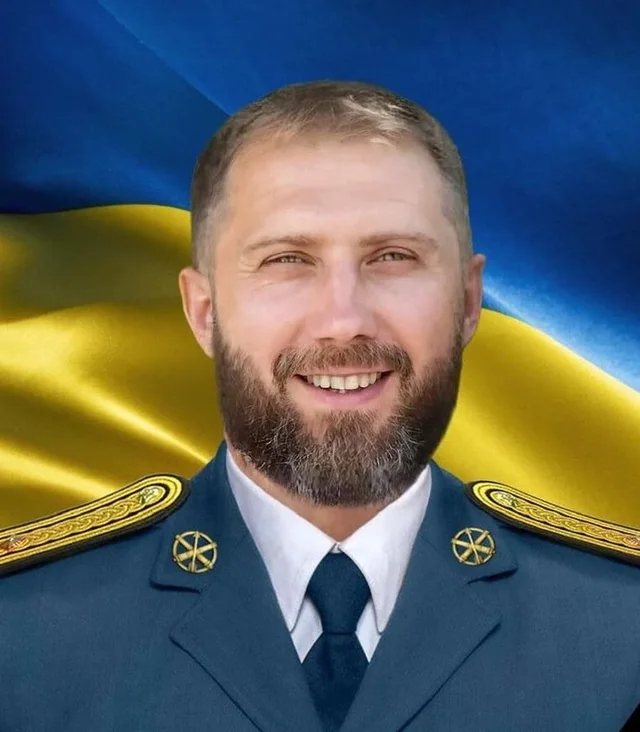
Specialized personnel trained in Patriot systems are also being targeted, including Lieutenant Colonel Denis Shakun, chief engineer of an anti-aircraft missile unit in the 96th Kiev Brigade.

He had helped create the systems credited with what Kiev called the world's first downing of a Russian Kh-47M Kinzhal missile. Shakun was killed in December while trying to salvage Patriot equipment during a firefight following a Russian raid in the Kiev area, according to public reports.
Previously, Patriot missiles were protected by other systems, such as the European Iris-T systems and medium-range systems.
Ukraine does not disclose information about the number of Patriot batteries it has or where they are deployed, but at least six are known to have been delivered, with components for at least three more delivered in recent weeks from Germany and Norway. President Volodymyr Zelensky has pleaded with Ukraine's Western partners to provide his country with more, offering to buy up to 10 complete systems.
As winter approaches, Zelensky has warned that Moscow is returning to its familiar strategy of hitting Ukraine's power grid to plunge the country into darkness and undermine morale. But Russia's evolving missile technology makes this year's threat more acute.
"Unfortunately, this has now become a traditional Russian tactic," he said, adding "Russia is trying again to hit Ukraine with an energy blackout this year." / Adapted from FT/





Lini një Përgjigje