


 Shkruar nga Dominic Waghorn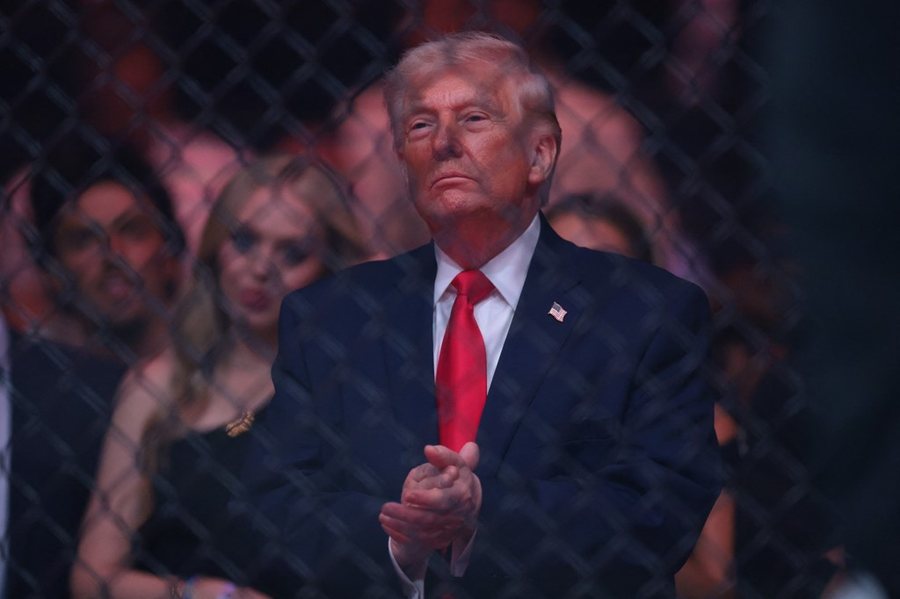
It is unwise to take Donald Trump's threat of a major escalation of war by blocking the Strait of Hormuz too seriously at this stage.
Trump is now softening his proposal, saying it may take time to implement the plan, while he initially stated it would happen immediately.
Donald Trump has a tendency to make threats and then back down, while sometimes people with prior knowledge of his statements profit large sums of money from insider trading.
Everything that is currently happening should potentially be seen as a negotiating tactic.
We are on the fourth day of a two-week ceasefire and diplomatic period. This could be a pressure strategy, as previous outbursts of it on social media have shown.
The US president may not have informed the US Navy of his threats or sought their opinion on their feasibility. This is not the first time Trump has threatened military action without the full support of his commanders.
If US Navy ships are sent into the strait to block an already blocked waterway, the consequences could be severe. There would be a risk of collisions with Iran's fleet of small, fast vessels, as well as confrontations with ships from other powers.
China will not easily accept the US Navy's detention of its oil tankers. Such a move also risks retaliation and escalation from Iran.
Military analysts say Iran has the escalation advantage in this conflict. This is a technical term meaning that whatever the United States does, Iran can further escalate the intensity and has a higher tolerance for consequences than its adversaries.
Given the frequent and contradictory statements of this president, who sometimes contradicts himself on the same day, it may be reasonable to wait before giving an assessment until the US Navy has concretely taken any action./ Adapted from "Pamphlet" by "Sky News".




Lini një Përgjigje