


 Shkruar nga Pamfleti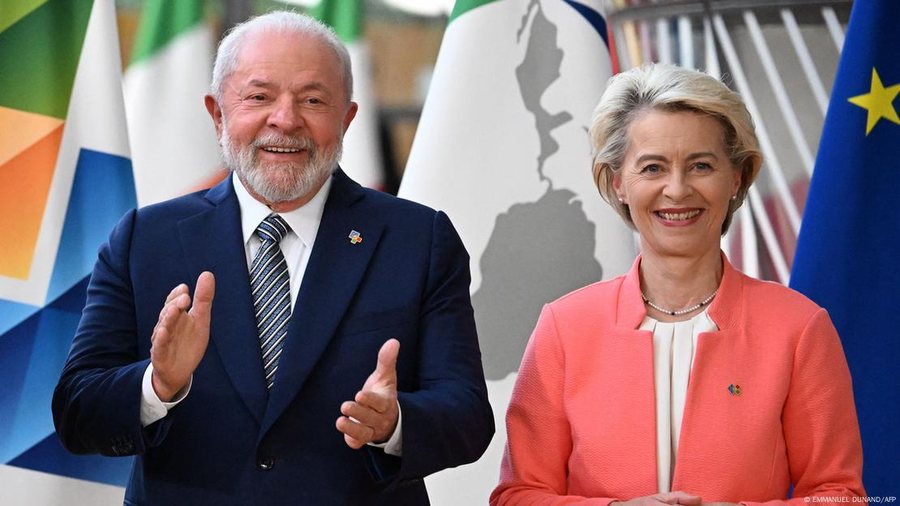
It is about the creation of a free trade zone for about 800 million citizens.
It has been 25 years, since 1999, since the European Union and South American countries in the Mercosur economic community have been negotiating the agreement.
If the signing of the agreement is achieved, the Europeans would benefit, as the customs fees for machinery, vehicles, chemical products, etc., which the EU exports to the Mercosur countries, which include Brazil, Argentina, Paraguay and Uruguay, would be removed.
Meanwhile, Mercosur countries would export more agricultural products to the EU without customs duties: they would export meat, raw materials, vegetables and fruits.
The European Commission in Brussels, which is leading the negotiations, wants to sign the agreement at a summit on December 5 and 6. Mercosur states have also expressed interest in this date.
This is also supported by Germany and ten countries of the European Union, which call the agreement urgent and beneficial for all of Europe. But France is putting up fierce resistance and gathering allies.
Arguments for and against the EU - Mercosur agreement
The "cows for cars" deal, as one diplomat in Brussels humorously called it, currently clearly does not include compliance with the climate objectives of the Paris Agreement. The European Union requires a stricter stance here, accompanied by sanctions, while the South American states require greater flexibility.
Supporters of the Agreement point out that the agreement is of great economic importance. If customs were removed, the European Union would save four billion euros a year in trade with Mercosur countries.
As for an idea of the size of the trade: in 2023, the EU exported goods worth 56 billion euros to Mercosur countries. 12.6 percent of all EU imports were from Mercosur countries, according to the Eurostat agency.
Whereas Brazil, Argentina, Uruguay and Paraguay exported goods worth 24 billion euros to the EU in 2023.
On the other hand, the opponents of the Agreement, mainly France, have declared war on the agreement. French President Emmanuel Macron called the deal "unacceptable" unless it included elements of the Paris Climate Agreement, a ban on deforestation and a European response.
Reasons for impatience to sign the Agreement
The impatience of Germany and many other countries in support of the agreement has to do with the economic stagnation in many European countries. As well as the increase in geopolitical risks for the EU. In Brussels, they think that the benefit for the entire EU would be greater than a potential harm.
Strategjikisht, Bashkimi Evropian synon të nxisë tregtinë. Sepse Presidenti i ardhshëm amerikan Donald Trump ka shpallur tarifa doganore deri 25% për Kanadanë e Meksikën. Ai mund ta bëjë edhe me Bashkimin Evropian. Kina investon në të gjithë botën, për të siguruar burime strategjike.
Por, siç e shprehu një ekspert në gazetën gjermane Die Welt, kur negocion me Brukselin "ti merr një leksion”. "Kur negocion me Kinën, merr një port”. Në këtë rast eksperti e kishte fjalën për një port kontenierësh, që Kina ndërtoi shumë shpejt në Peru.
Interesat franceze mbi ato evropiane?
Megjithë deklaratat e vazhdueshme se Evropa duhet të rrisë kapacitetet për t'u përballur me sfidat gjeopolitike, Presidenti Macron synon sërish të frenojë. Është e vërtetë se pozita e Macronit në Francë është e vështirë. Por nuk është hera e parë. Kujtojmë rastin e bllokadës për nisjen e negociatave të BE me Shqipërinë e Maqedoninë e Veriut në vitin 2019.
Në rastin e tarifave doganore për automjetet elektrike kineze, që BE i vendosi sivjet i nxitur nga Franca, realisht ishin disa shtete në BE në mbështetje të këtij proteksionizmi. Gjermania, që megjithë problemet ekonomike ndihet më e fortë, mbrojti një pozicion guximi: ishte për konkurrencë të hapur me Kinën, ishte kundër tarifave doganore e proteksionizmit. Por nuk pati sukses.
Në rastin e marrëveshjes aktuale me komunitetin ekonomik të Mercosurit, kjo marrëveshje madje është miratuar në parim, që në vitin 2019. Franca përpiqet tani megjithatë ta bllokojë, sepse Macroni ndihet sërish i dobët para ekstremizmit të djathtë të Le Penit dhe fermerëve francezë.
Franca përfiton po nuk guxon
Një deputet francez kujtoi (në kushte anonimiteti) për agjencinë Reuters se Franca ka në fakt një tepricë tregtare prej 155 miliardë eurosh me Amerikën e Jugut. Ai tha se Franca mund të përfitojë nga marrëveshja për produktet e qumështit, mishit të derrit dhe produkteve derivate, edhe nëse shtohet konkurenca për mishin e gjedhit.
Por Macroni zgjedh rrugën më të sigurtë për të: përpjekjen për bllokadë. Në këtë rast, presidenti francez e injoron presionin real gjeopolitik dhe ekonomik nga Kina dhe SHBA. Ai shpërfill sërish, si për doganat për automjetet kineze, argumentat e fuqisë së tretë ekonomike në botë, Gjermanisë.
Interesat gjermane dhe franceze
Është e natyrshme që Gjermania dhe Franca të ndjekin edhe interesa nacionale. Macroni, dhe në një unitet të rrallë qeveria, parlamenti dhe fermerët francezë, kanë frikë se Evropa do të përmbytet me mish të lirë gjedhi nga Argjentina e Brazili dhe se ata do të humbasin. Fermerët francezë nisën këto ditë protesta të mëdha kundër Marrëveshjes në disa qytete franceze. Macroni druhet se zemërimi në Francë për marrëveshjen do të shfrytëzohet kundër tij nga ekstremistët e djathtë të Le Penit.
Në mediet franceze, eurodeputetë francezë argumentuan këtë javë se bujqësia nuk është aktivitet ekonomik si të tjerët. Ajo ka rëndësi strategjike për rezistencën dhe stabilitetin e demokracisë.
Whereas in Germany, Olaf Scholzi wants to help the automotive industry and the car building industry and the German economy as a whole. For their part, countries such as Spain, Portugal and Sweden want to expand the volume of trade exchanges and improve the trade balance.
Probability of signing the Agreement
Legally, this agreement can enter into force if it is approved by a qualified majority of states. And then to vote in the European Parliament. So approval from all 27 member states of the European Union is not needed.
In this framework, for the agreement to be blocked, the opponents must create a blocking minority: that is, four EU states, which simultaneously represent 35% of the population of the European Union, should join together.
France managed to convince Poland this week. In a few months there are presidential elections in Poland and Prime Minister Donald Tusk will not risk the anger of Polish farmers again. Tusk suddenly declared that "in its current form" he does not support the Agreement.
Poland and France together represent 24% of the population of the European Union. Italy is wavering whether it will ultimately support the deal or not. The Netherlands too. Austria and Ireland are not definitively positioned.
Germany currently has the support of ten other European Union states, including Spain, Portugal and Sweden.
Brazil: France cannot announce the end of the Agreement
Among the Mercosur states, Brazil, which dominates this economic community, expressed its determination to sign the Agreement. "I plan to sign this agreement within this year," said Brazil's President Luiz Inácio Lula da Silva on Wednesday (11/27). Lula da Silva said that only Brussels, not France, can decide the end of the Agreement.
In fact, Brussels thinks that France will have a hard time creating a blocking minority. But Brussels does not want to ignore an important country like France for an act like this agreement and hit Emmanuel Macron, even in Europe (after the big problems he has in France). Negotiations continue, the possibility of compensation for French and Polish farmers is also being considered./ DW





Lini një Përgjigje