


 Shkruar nga Pamfleti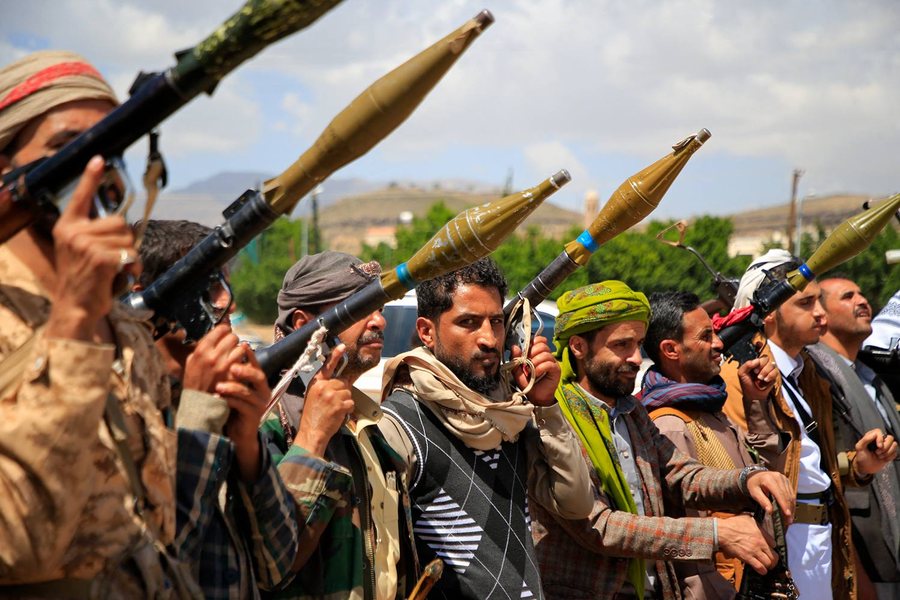
The agreement remains fragile despite Trump's extension
US President Donald Trump announced an extension of a ceasefire between the United States and Iran on Tuesday, just hours after threatening to resume bombing the country if a deal was not reached before its expiration the following day. Citing “serious disunity” in the Iranian government, Trump said he would refrain from strikes until Iranian leaders reached a “unified proposal” for peace. He did not set a new deadline.
This is not the first time during the conflict that Trump has quickly shifted from warnings of impending violence to overtures to diplomacy. The fact that he has repeatedly backed away from such threats suggests he is intent on ending the conflict, which is unpopular in the United States and has caused a global energy crisis.
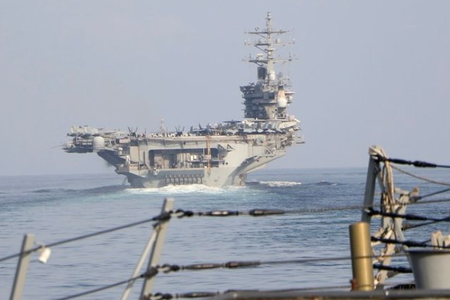
However, the ceasefire remains fragile, and it is unclear whether another round of peace talks will take place. The US naval blockade of Iranian ports continues (although some ships are reportedly passing through), while Tehran continues to exercise firm control over the Strait of Hormuz. On Wednesday, Iran fired on several ships in the strait and seized two of them.
Trump’s contradictory rhetoric and actions during the conflict, as well as his history of military interventions against Iran during negotiations, are among the reasons why a deal still seems distant. Tehran, which has called the US blockade a violation of the ceasefire, has made it clear that it does not trust Trump. Mahdi Mohammadi, an adviser to Iranian parliament speaker and chief negotiator Mohammad Bagher Ghalibaf, said that extending the ceasefire “does not mean anything” and is just a “maneuver to buy time for a surprise attack.”
Ghalibaf also stated that a full ceasefire only makes sense if the American blockade ends.
Trump’s reason for extending the ceasefire, the fragmentation of the Iranian leadership as a result of the war, also poses a major obstacle to a diplomatic solution. There are many signs that Iran’s top negotiators, including Foreign Minister Abbas Araghchi, are not aligned with the more hardline elements of the Islamic Revolutionary Guard Corps, who appear to be tightening control over decision-making in the country.
With the ceasefire hanging in a delicate balance, several key questions arise if it ultimately fails.
A do të rifillojë lufta e Izraelit kundër Hezbollahut? Armëpushimi në Liban mes Izraelit dhe Hezbollahut, një grup militant i lidhur me Iranin, është gjithashtu shumë i brishtë. Të dyja palët kanë akuzuar njëra-tjetrën për shkelje që nga hyrja në fuqi e tij javën e kaluar, edhe pse diplomacia mes Izraelit dhe qeverisë libaneze vazhdon. Ky armëpushim është i lidhur ngushtë me atë SHBA–Iran, edhe pse fillimisht Izraeli dhe SHBA refuzuan ta përfshinin Libanin në marrëveshje, pavarësisht insistimit të Teheranit. Para shpalljes së një armëpushimi 10-ditor në Liban më 16 prill nga Trump, kjo mosmarrëveshje pothuajse e rrëzoi marrëveshjen SHBA–Iran. Libani po kërkon zgjatje të armëpushimit dhe priten bisedime të tjera në Uashington, por nëse marrëveshja SHBA–Iran dështon, Izraeli mund të rifillojë plotësisht operacionet në Liban.
A do të nisë SHBA një operacion tokësor në Iran? Para shpalljes së armëpushimit, pati shumë spekulime se Trump mund të dërgonte trupa amerikane në Iran si pjesë e operacioneve të mundshme, përfshirë marrjen nën kontroll të ishullit Kharg, i vogël por strategjik, dhe sigurimin e uraniumit të pasuruar të Iranit. Ekspertët ushtarakë paralajmërojnë se operacione të tilla do të ishin jashtëzakonisht të rrezikshme dhe do të vinin trupat amerikane në rrezik serioz. Megjithatë, këto opsione mbeten në tryezë.
Shtetet e Bashkuara kanë më shumë se 50 mijë trupa të vendosur në Lindjen e Mesme, përfshirë mijëra marinsa dhe parashutistë, si dhe qindra forca speciale. Forca të tjera janë gjithashtu në rrugë drejt rajonit, së bashku me mjete të tjera ushtarake.
Një operacion për shpëtimin e ekuipazhit të një avioni luftarak amerikan të rrëzuar në fillim të prillit është rasti i vetëm i konfirmuar publikisht i hyrjes së forcave tokësore amerikane në Iran gjatë këtij konflikti. Por nëse armëpushimi dështon, Trump mund të vendosë se dërgimi i trupave në terren është i nevojshëm për të rritur presionin ndaj Teheranit dhe për të arritur objektivat e shpallura të luftës, pavarësisht pretendimeve të tij se këto objektiva janë arritur tashmë. Senatori republikan Roger Marshall deklaroi se SHBA mund të duhet të hyjë në Iran për “ta përfunduar punën” nëse nuk arrihet një marrëveshje në javët në vijim.
Cilat janë kapacitetet e mbetura ushtarake të Iranit? Trump dhe zyrtarë të tjerë të lartë kanë bërë deklarata të gjera për ndikimin e sulmeve amerikane dhe izraelite ndaj ushtrisë iraniane. “Kemi shkatërruar flotën e tyre detare. Kemi shkatërruar forcën ajrore. Kemi eliminuar drejtuesit e tyre”, tha Trump të martën.
Megjithëse nuk ka dyshim që lufta ka çuar në vdekjen e shumë drejtuesve të lartë iranianë, përfshirë udhëheqësin suprem Ali Khamenei, dhe ka dobësuar ndjeshëm ushtrinë, ka shenja në rritje se administrata Trump mund ta ketë mbivlerësuar shkallën e dëmit.
The downing of American aircraft and continued attacks on commercial shipping show that Iran still retains capabilities that pose a threat if the ceasefire fails. Lieutenant General James Adams, director of the US Defense Intelligence Agency, said that Iran “maintains thousands of missiles and single-range strike drones that could threaten US forces and allies in the region, despite the losses suffered.”
What happens to the Strait of Hormuz? Since control of the strait remains contested even during the ceasefire, this situation is expected to continue if the agreement fails. Iran's control of this sea route has been its strongest leverage in the conflict and is expected to be used as a tool of pressure in the future. The future of the Strait of Hormuz remains one of the biggest unresolved issues.
Will the Houthis close the Bab el-Mandeb Strait? Yemen’s Houthi rebels, allies of Iran, could take steps to block the Bab el-Mandeb Strait, a key route connecting the Red Sea to the Gulf of Aden, if fighting between the U.S. and Iran resumes. Both the Houthis and Iran have cited this as a possible retaliatory measure, which would further add pressure on the global economy, already battered by the situation in Hormuz. /Adapted from ForeignPolicy /





Lini një Përgjigje