


 Shkruar nga Pamfleti
Pentagon warns of prolonged energy crisis and increasing political pressures in the US
Clearing the Strait of Hormuz of mines could take up to six months, according to a classified Pentagon briefing, a development that could prolong the energy crisis and increase political pressures in the United States ahead of November's midterm elections.
According to this estimate, it would take six months to completely clear the strait of mines laid by the Iranian military, and such an operation is not expected to begin until the end of the US-Iran war. This means that the economic impact of the conflict could last until the end of the year or beyond.
A senior Defense Department official presented the assessment during a closed-door briefing for members of the House Armed Services Committee, according to three sources familiar with the discussion.
The deadline has caused discontent among both Democrats and Republicans and is considered an indication that oil and gasoline prices could remain high even after a peace agreement, the Washington Post reported.
In addition to the economic impact, the development is also expected to have political consequences in the US, especially for Republicans as the November elections approach. President Donald Trump's decision to launch the war is unpopular with most Americans, according to recent polls, and has caused divisions within his political base.
According to AAA data, the average price of a gallon of gasoline reached $4.02, up from $2.98 before the war began in February. Trump did not give a clear timeframe for the price cuts, saying they could remain the same or increase slightly until the election, before falling sharply.
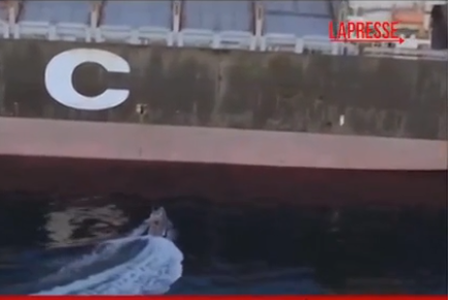
U.S. officials estimate that Iran may have placed 20 or more mines in and around the Strait of Hormuz, a key shipping route for oil from the Persian Gulf. Some mines were placed with GPS technology, making them harder to detect, while others were placed by small boats.
The blockade of maritime traffic in the Strait of Hormuz has become a flashpoint in the conflict. Iran has said it has closed the strait and attacked merchant ships, seeking to put pressure on the global economy and the United States. Before the war, about 20% of the world's oil passed through this route, with countries such as Japan, South Korea and China heavily dependent on it.
President Trump demands that Iran halt its nuclear program, hand over its enriched uranium and reopen the strait, warning of further military measures if it fails. Tehran, on the other hand, has said it will not continue negotiations without the lifting of the US naval blockade.
Iran began laying the mines in March, as US and Israeli attacks continued. The US has said it has taken action to destroy the equipment suspected of being used to lay them. US Secretary of Defence Pete Hegseth has stressed that the US will not allow the strait to be held “hostage”.
Iranian officials have denied laying the mines. According to the New York Times, Iran may not be able to identify all the mines it has laid. This contrasts with statements by Trump, who claimed that the mines are being removed with US help.
It is not yet clear what strategy the US military will use for the clean-up operation. Options include the use of helicopters, drones and specialized divers. Meanwhile, maritime traffic remains volatile, as recent Iranian attacks have again disrupted shipping.
Experts warn that a six-month cleanup period could increase uncertainty in global energy markets. According to Richard Nephew of Columbia University, the risk of crossing a minefield will discourage many companies and maritime operators.






Lini një Përgjigje