


 Shkruar nga Greta Privitera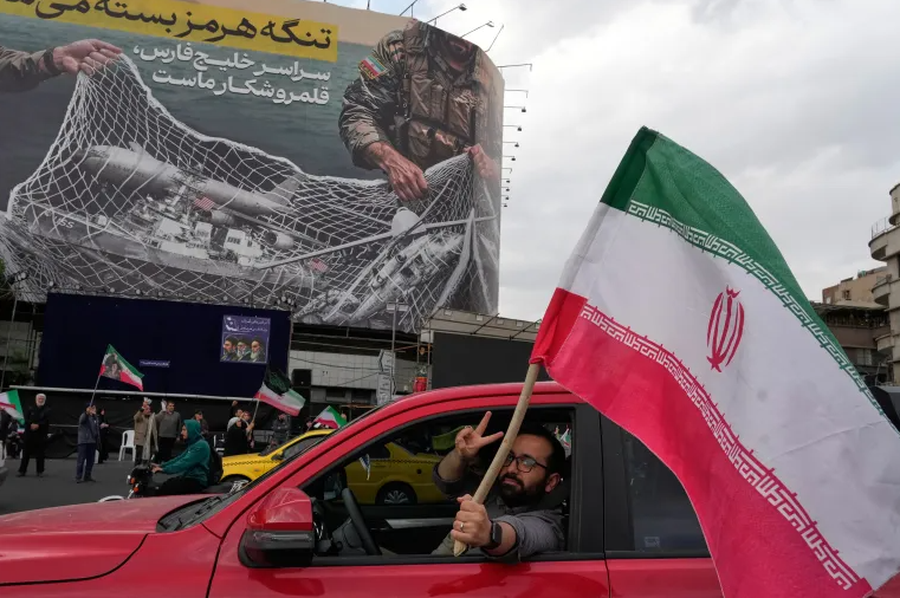
After signing the memorandum in Switzerland on Friday, Washington and Tehran will begin
60 days of negotiations on uranium. Trump wants to curb the atomic bomb in exchange for unlocking frozen billions. The pact remains fragile, threatened by the crisis in Lebanon and sabotage by the domestic opposition.
They have blocked it, they have dragged it out and now they have closed it. In fact, just a few weeks ago in Islamabad, they announced the arrival and then blew it up. However, on that already shaky and distrustful table between the Americans and the Iranians, negotiations are underway again. And this time, they are talking seriously. The signatures - the digital ones - have already been placed. Sixty days: that is how long the difficult process that separates the Islamic Republic and the United States from a peace agreement will last.
Everything is expected to start on Friday, after both delegations physically sign the memorandum of understanding. It is not a final pact, but
an "entry ticket" to the second phase, which specifies the minimum points on which the two rivals agree: the reopening of the Strait of Hormuz, the lifting of the US blockade on Iranian ports and the extension of the ceasefire reached in April for another 60 days.
And from Friday, the uphill road begins. The roadmap for these 60 days has already been written. The nuclear issue will be discussed mainly. There will be no room for ballistic missiles, neither for Hezbollah nor for Hamas.
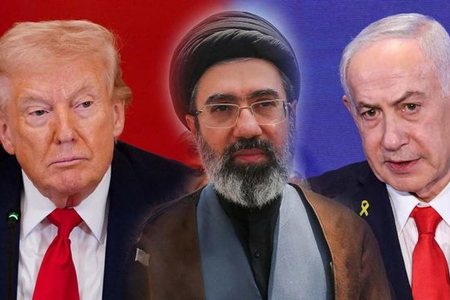
Trump seems to have already laid out his concessions. There is talk that he will recognize the Islamic Republic's right to a civilian nuclear program, based on the model of the 2015 agreement that he himself tore apart, Barack Obama's JCPOA.
In return, it wants guarantees that Tehran will not have an open path to building a nuclear bomb. Washington has also demanded a 20-year moratorium on uranium enrichment, while Tehran has offered only five years.
Perhaps the meeting point will be somewhere in between, 10 years from now. The ayatollahs would commit to not exceeding the civilian fuel threshold - far below the 90 percent needed for a bomb - and to hand over their 450 kilograms of uranium enriched to 60 percent, diluted and under the strict watch of International Atomic Energy Agency inspectors.
The most likely route is export: Iran had already sent Russia 98 percent of the material by 2015, and Moscow could once again serve as a warehouse. Trump sometimes raises the bar and suggests that among his dreams is the complete destruction of what he calls “nuclear dust.”
On the other hand, the Tehran regime is in desperate need of concrete results. Mojtaba Khamenei's people are demanding the unlocking of $24 billion frozen abroad, and according to sources, half of that could be released immediately.
But on how that money will arrive, the Americans have established a rule they call a "performance-based deal," an agreement that is measured by facts on the ground. First, the nuclear material is handed over, the Straits are reopened, and the funding taps for armed groups are turned off.
Once these are done, the benefits will come. So it is a trust that is bought piece by piece, in exchange for evidence. On paper the agreement exists. In reality, it is clear that a small spark is enough to shatter it.
The first danger is Lebanon. For Tehran, it is an integral part of the pact: the Iranians want the ceasefire to apply to their ally, Hezbollah. If Netanyahu continues to bomb Beirut, the regime itself will consider the ceasefire a violation and they feel entitled to respond.
They want a hard test: to see if Trump is capable of reining in his Israeli friend. The second danger is time. The Iranians negotiate through exhaustion, and they always have. They drag out the talks, resist, and insist on every point until the other side runs out of patience.
Only this time, on the other side of the table is Trump, who is not known for great patience. Resolving an issue that carries 20 years of mistrust behind it within two months seems almost impossible. Therefore, the most realistic scenario is that this deadline will be extended, through those postponements of the ultimatums that the American president is so fond of announcing.
The third danger, the quietest, is the people. Or rather: the peoples. The internal opponents in both capitals, those who after every concession scream betrayal. As soon as the ink is dry on the paper, they will try to derail everything, accusing the negotiators of having sold out.
This has happened in Iran before. Yet, beneath this minefield, one thing remains true and keeps the process going: both countries no longer want war and need to sell the end of hostilities as a major victory.
But there is a truth that is slowly taking hold in both capitals: no one, neither Trump nor the Ayatollahs, can truly win. As long as they shout that they can destroy the other, they will only produce new crises. The real exit from the tunnel will only open the day they stop pretending. / Pamphlet from “Corriere della Sera”




Lini një Përgjigje