


 Shkruar nga Pamfleti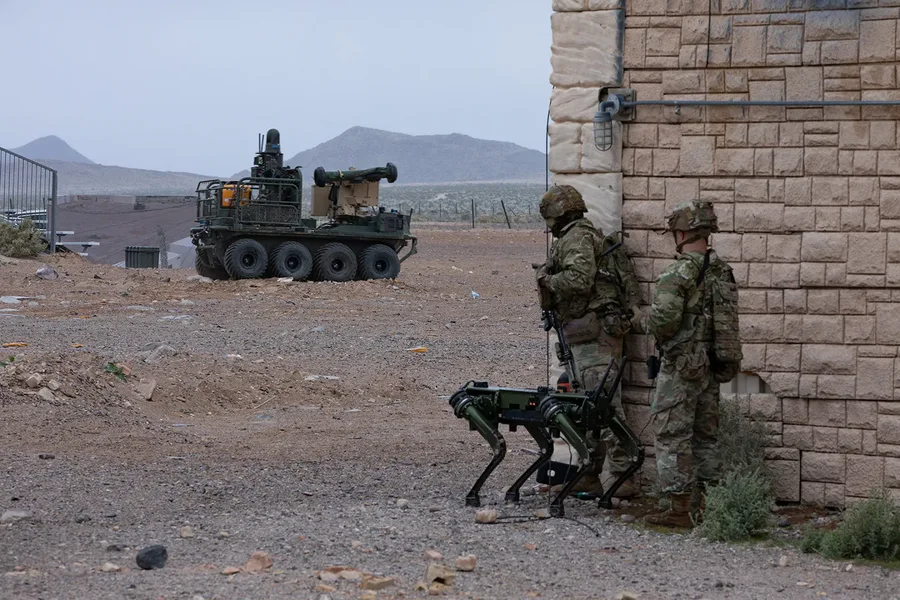
In future wars, American generals want to send robots to meet the first enemy bullets.
For as long as the United States has had an army, American infantry soldiers have stood by one motto: "Don't shoot until you see the whites of their eyes."
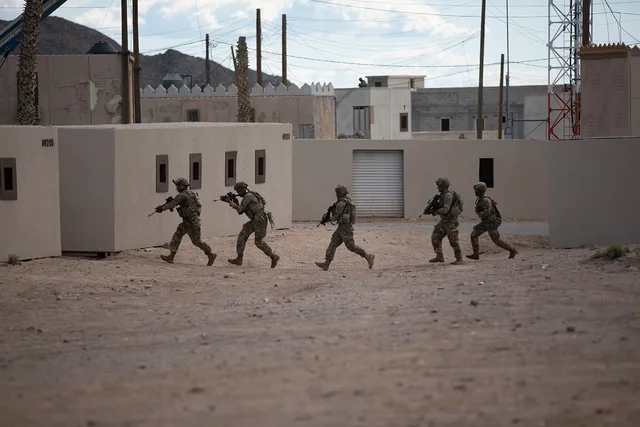
But fighting on the US Army's largest training ground last month, Lt. Isaac McCurdy and his platoon of infantrymen, playing a fictional enemy of the United States, found themselves facing a very different enemy: a with camera lenses for eyes and foil for skin.
These were not your average flesh and blood men who were fighting. They were robots.
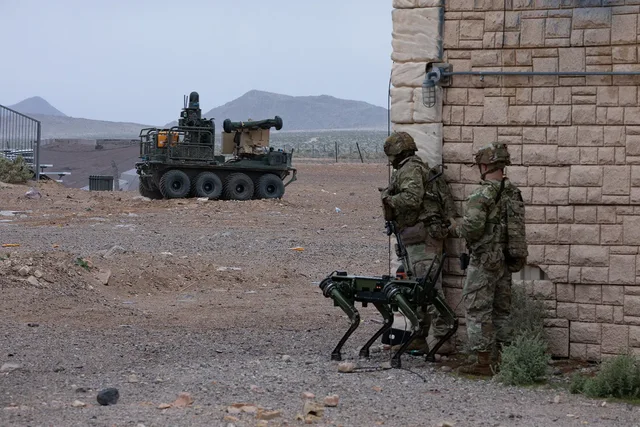
Riding on eight creaky wheels and carrying enough firepower in their truck beds to fill a magazine of small arms, a handful of US Army robots race across the battlefield of the fictional city of Water.
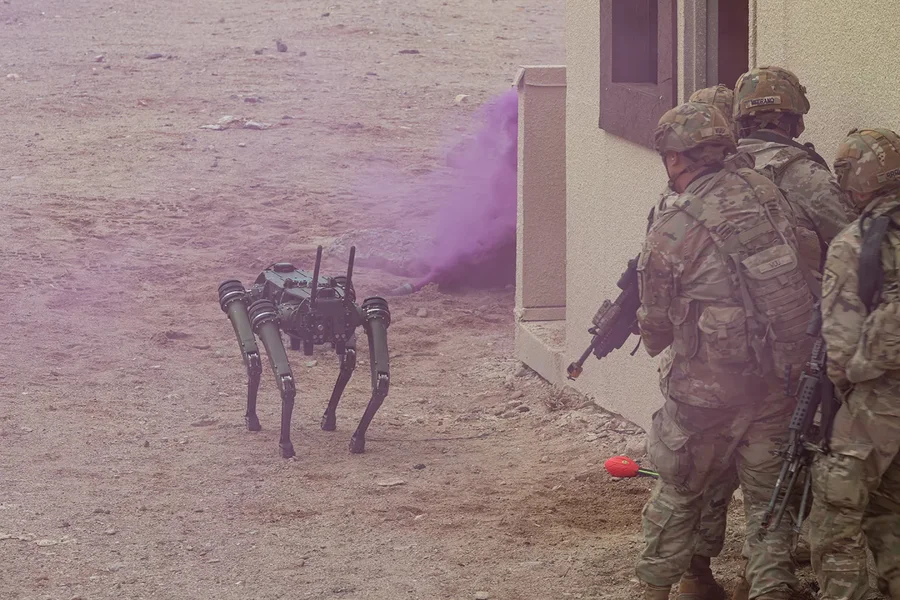
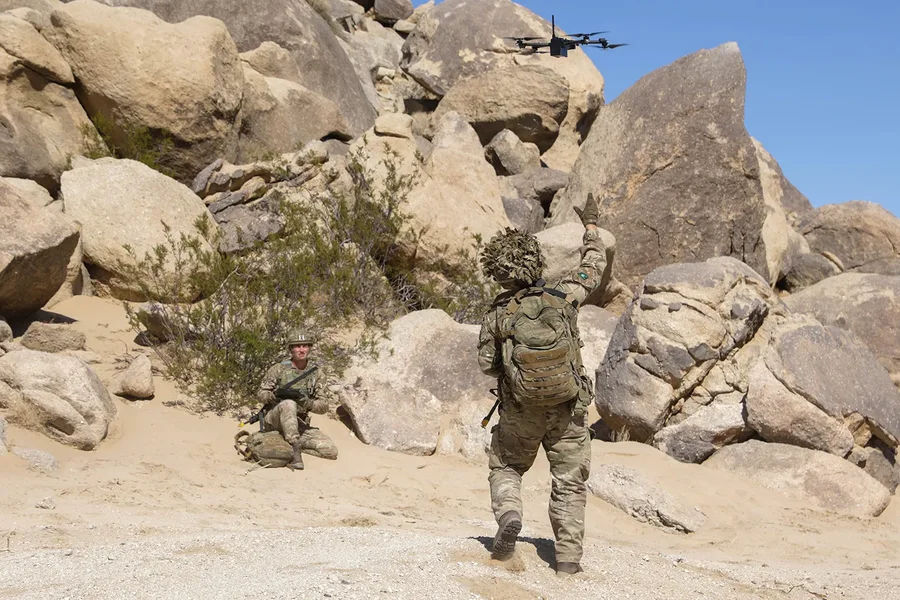
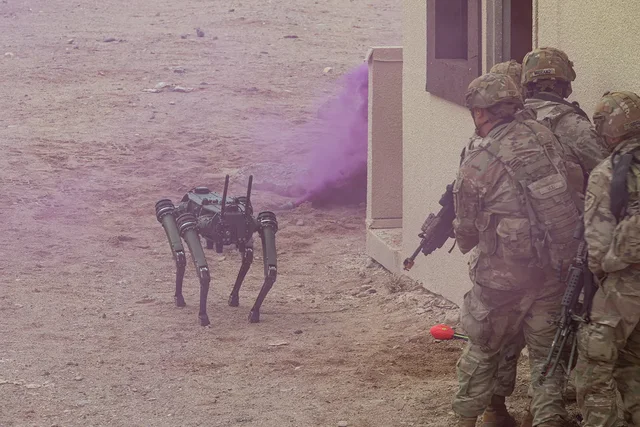
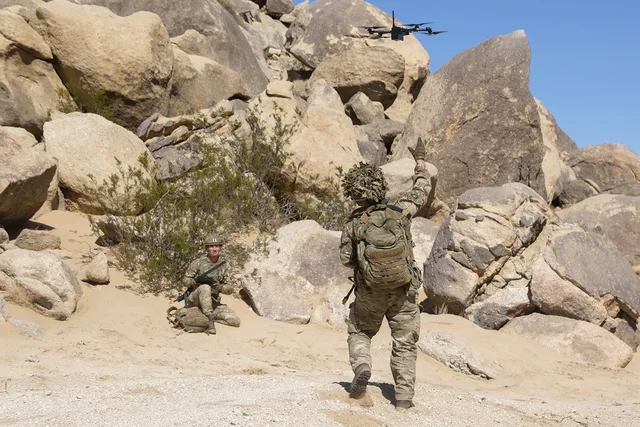
The robots shot the houses where the opposition force was hiding. The drones that had been hovering over the battlefield for hours swooped down on McCurdy and his team and dropped "bombs" and in this case a perfectly placed artillery strike right above them. Robot dogs, with sensors for their heads, checked the houses to make sure they were clean.
“If you see the whites of someone's eyes or their sunglasses, [and] turn it against that, they're going to have a human response,” McCurdy said. "If it's a robot that pulls itself up, that shoots something that's bigger than you can carry yourself and won't just die when you shoot a center mass, it's a very different feeling."
The Army's top officer, General Randy George, made the trip from the Pentagon to watch the mock battle. Standing on the roof of a makeshift stucco building that swayed with the pounding of tanks echoing against the desert sand, he was surrounded by half a dozen senior generals and about as many colonels. Many wore metal bracelets engraved with the names of soldiers who died under their command in Iraq and Afghanistan.
Në luftën e ardhshme të madhe të Shteteve të Bashkuara, forcat e ushtrisë shpresojnë se robotët do të jenë ata që do të marrin hapin e parë, duke bërë punët e pista dhe të rrezikshme duke vranë qindra - me gjasë mijëra - nga më shumë se 7,000 anëtarët e shërbimit amerikan që vdiqën gjatë dy dekadave të luftërave në Lindjen e Mesme. Qëllimi është që të vendoset një robot në vendin më të rrezikshëm në fushën e betejës në vend të një 19-vjeçari të sapokaluar nga trajnimi bazë.
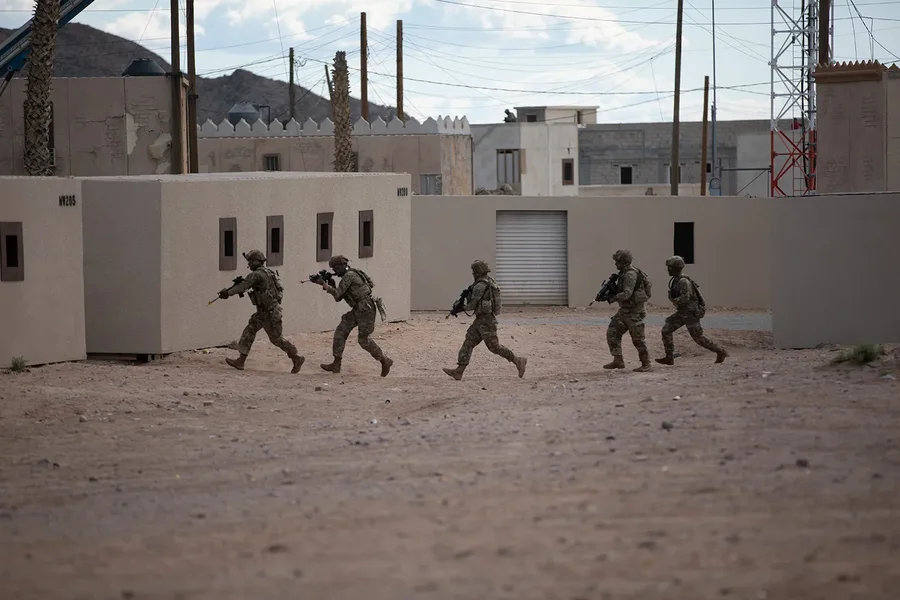
Megjithatë, jo të gjitha këto makina janë gati për kohën kryesore. Gjatë stërvitjes ‘Fort Irwin’, të quajtur "Project Convergence" - e cila ishte krijuar për të testuar robotët në skenarë realistë luftarakë - ata nuk u përballën me plumba të vërtetë. Robotët nuk kanë vizion periferik; ata nuk mund të duken majtas apo djathtas si një ushtar njerëzor thjesht duke kthyer kokën. Dhe rrjeti i vjetëruar i ushtrisë nuk mund të mbajë gjithmonë qindra dronë lart në të njëjtën kohë, apo edhe t'u tregojë trupave amerikane se cilët nga avionët e papilotuar janë mik apo armiq.
Por ata kanë bërë një rrugë të gjatë. Udhëheqësit e ushtrisë besojnë se pothuajse çdo njësi e ushtrisë amerikane, deri te patrullat më të vogla në këmbë, së shpejti do të ketë drone në qiell për të ndjerë, mbrojtur dhe sulmuar. Dhe nuk do të kalojë shumë kohë para se Shtetet e Bashkuara të vendosin robotë tokësorë në betejë në ekipet njerëzore-makineri.
"Nuk është vetëm një robot që zëvendëson një njeri," tha Alex Miller, shefi i teknologjisë së George. Pyetja, tha ai, është se si ushtria mund të vendosë robotë në vijën e frontit "pa hequr një pushkë të vetëm, ose shumë pushkëtarë, jashtë vijës për të kontrolluar një robot".
Ju mund të faleni nëse nuk e dinit se kishte një bazë stërvitore të Ushtrisë Amerikane gati sa madhësia e Rhode Island në mes të shkretëtirës së Kalifornisë. Në fund të fundit, Fort Irwin nuk është e lehtë për t'u arritur.
Jeta në shkretëtirë është e vështirë. Në një stërvitje të janarit, trupave të ushtrisë amerikane iu desh të përballonin erën, shiun, shiun, borën dhe nxehtësinë shtypëse, ndonjëherë të gjitha brenda një dite. Ka rreth 1200 viktima të rreme për çdo rotacion tre-javor. Anëtarët e shërbimit në një nga brigadat që u vendosën këtu për atë betejë sillëse me Divizionin e I-rë të Blinduar duhej të mbanin artilerinë e tyre me vete 40 milje në betejë.
Skenarët janë shkruar për t'u përshtatur kudo ku janë vendosur trupat amerikane, e cila për dy dekadat e fundit ka qenë kryesisht Iraku dhe Afganistani. Por që nga viti 2014, rreth kohës së pushtimit të parë të Ukrainës nga Kremlini, Ushtria ka përdorur Fort Irwin për të praktikuar operacione luftarake në shkallë të gjerë kundër forcave armike të modeluara sipas Ushtrisë Çlirimtare Popullore të Kinës dhe ushtrisë ruse.
The idea is that the military does most of its bleeding in training, not on the battlefield. So the organizers try to make the simulated enemy tougher than the real one – not like the Russians, who crashed into Ukraine with 1980s maps looking for cities that didn't exist. The fighting that Ukrainian troops have experienced on the battlefield - inside the Mariupol steel plant in Azovstal, around the city of Kharkiv and during the liberation of Kherson - has forced the army to adapt even further.
"Initially, we had units knocking on doors because that's what they learned in Iraq and Afghanistan," said Maj. Gen. Curt Taylor, commander of the national training center.
Scenarios are starting to include robots as well. Today, the Army might have three platoons deployed in a base attack, McCurdy said: one to fix the enemy in place, another to maneuver over them and then another in reserve. Put robots in that group of soldiers and they suddenly have more room to maneuver.
Drones are already ubiquitous—you can buy a quadcopter off the shelf for about $50 at most big-box stores—but building ground robots that can see and feel their way around modern battlefields is much more difficult.
But the entire field of military robotics is accelerating. Ukraine has already committed to creating a separate service branch for drones and unmanned vehicles. The U.S. military may not be far off: It's considering a proposal to add a platoon of robots, the equivalent of 20 to 50 human soldiers, to its armored brigade combat teams, which are the service's, backed by tanks. infantry units.
Army officials don't think robots will replace humans — or that they'll do much to solve the problem of recruiting shortages — but they're working the math to get the ratio of humans to robots to about 2 to 1 or 3 to 1.
The point is to gain the upper hand before China or Russia do./ Adapted with cuts from Foreign Policy






Lini një Përgjigje