


 Shkruar nga Pamfleti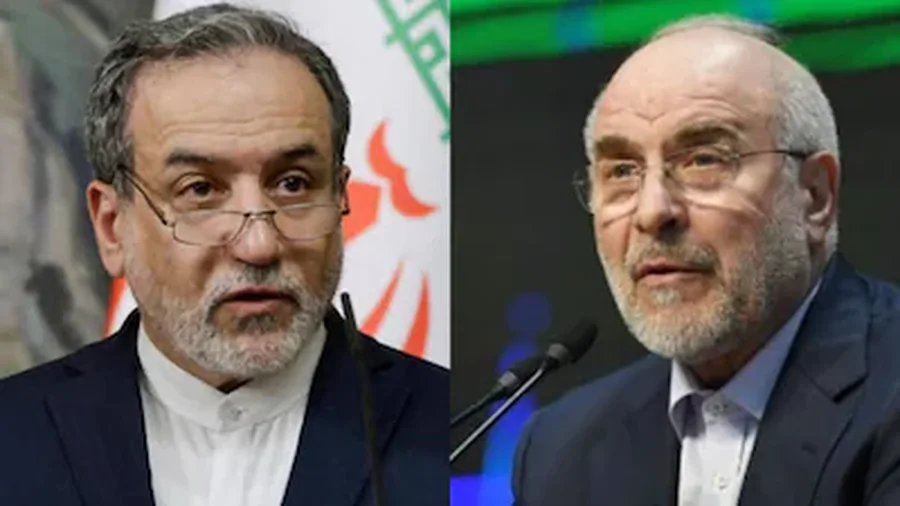
The conflict is accompanied by two parallel dynamics: on the one hand, intensive military operations and reciprocal strikes; on the other, mediated attempts at negotiations, mainly through third countries.
The United States and Israel have temporarily removed two senior Iranian officials from a blacklist as they consider the possibility of starting peace talks, US officials confirmed.
According to them, the speaker of the Iranian parliament, Mohammad-Bagher Ghalibaf, and the foreign minister, Abbas Araghchi , were removed from the list for a period of four to five days. The development coincides with efforts by President Donald Trump to pave the way for high-level negotiations aimed at ending the conflict.
Mediators from Turkey, Pakistan and Egypt are pushing for a meeting between US and Iranian representatives to discuss a ceasefire and the possibility of peace talks. However, according to US officials, the chances of success remain low due to the deep differences between the two countries' demands.
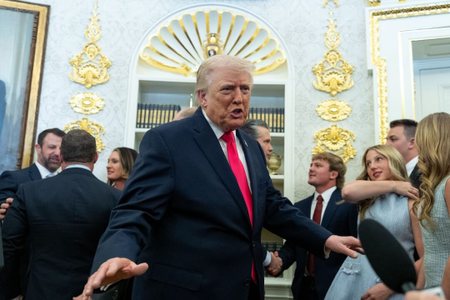
The United States has warned that time is running out for Iran to sit at the negotiating table. White House press secretary Caroline Leavitt said the US would hit Iran "harder than ever before" if Tehran does not agree to end the conflict.
Since the start of the war, Israel has carried out a series of airstrikes on Iranian targets, killing several senior figures in the regime. Among them are Supreme Leader Ayatollah Ali Khamenei and Security Chief Ali Larijani. Israeli authorities have said they will continue to target the Iranian leadership as part of a so-called “decapitation” strategy, which has previously been used against Hamas in Gaza and Hezbollah in Lebanon.
Also, the US military has focused its operations on Iranian military targets and missile threats.
President Trump has previously said that the initial strikes on Iran were so effective that they neutralized many of the potential successors to the Iranian leadership with whom negotiations could take place in the future. "We eliminated their entire leadership and then, when they got together to elect new ones, we hit them again," he told reporters.
The conflict between the United States and Iran has entered a new and more dangerous phase since late February 2026, when the US and Israel launched coordinated air strikes on targets in Iran. The operation, known as “Epic Fury,” marked a direct military escalation and led to the assassination of several senior figures in the Iranian regime, including Supreme Leader Ali Khamenei.
Following these attacks, Iran responded with ballistic missiles and drones against targets in Israel, as well as against American bases in the region, turning the conflict into an open confrontation with repercussions throughout the Middle East.
At the heart of the conflict lie several key issues: Iran's nuclear program, its development of ballistic missiles, and Tehran's support for armed groups in the region, such as Hezbollah and Iran-aligned groups in Iraq, Syria, and Yemen. Efforts at nuclear agreements and diplomatic negotiations have repeatedly failed, leaving room for military escalation.
Currently, the conflict is accompanied by two parallel dynamics: on the one hand, intensive military operations and reciprocal strikes; on the other, mediated efforts at negotiations, mainly through third countries. However, the differences between the demands of the US and Iran remain deep, making any diplomatic progress uncertain.
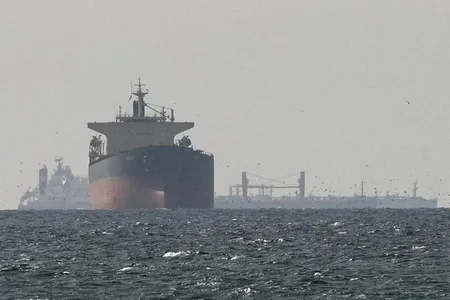
The situation is further complicated by the risk of regional spillover of the conflict, including threats to strategic oil routes such as the Strait of Hormuz and Bab el-Mandeb, as well as by global economic consequences, particularly in energy markets./ Adapted from "Pamphlet"



Lini një Përgjigje