


 Shkruar nga Pamfleti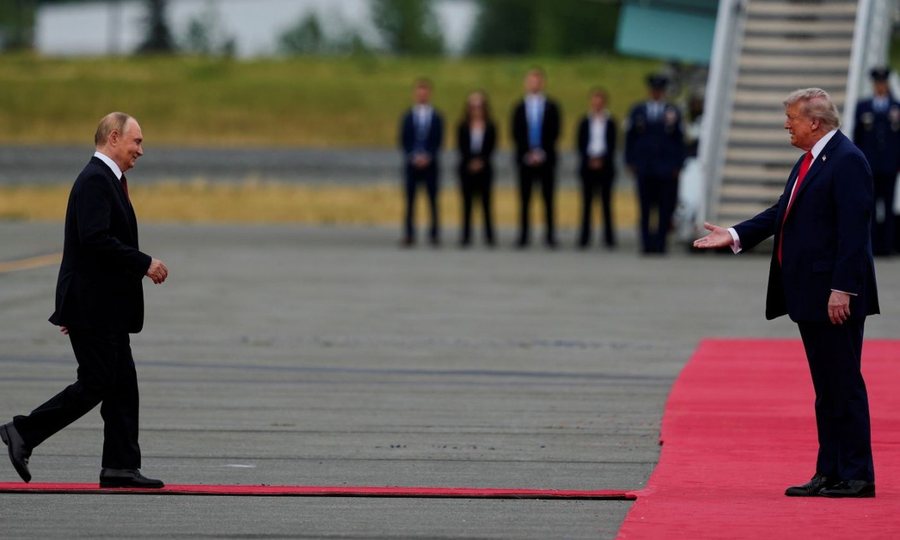
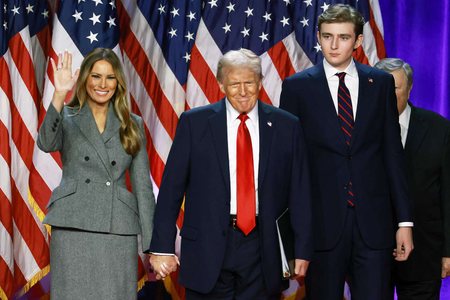
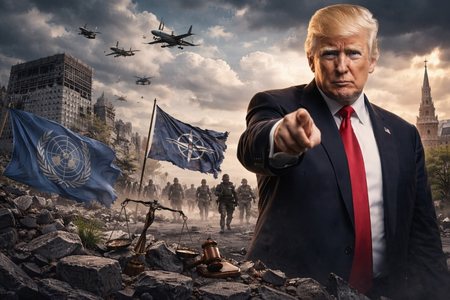
The World Economic Forum in Davos this year was a wake-up call for all countries. Donald Trump's speech, which bordered on insulting Europeans, and Canadian Prime Minister Mike Carney's claims of the collapse of the world order show that the planet is turning a new page.
Allies now function as enemies, old rules are not enforced, International Law is being questioned, as is territorial sovereignty and the model of sovereign nation states of the liberal West.
Carney, quoting Thucydides, recalled from the Davos podium that countries like Canada, after the end of World War II, benefited from the global order that was based on shared rules, to which everyone was called upon to obey.
“We knew that the story of the rules-based international order was partly false, that the strongest would be excluded when it suited them, that trade rules were applied asymmetrically. And we knew that international law was applied with varying rigor depending on the identity of the accused or the victim,” Carney said. He explained that this tale was useful, but it no longer works in the current era.
The outdated model with spheres of influence
According to Duffy Toft, Professor of International Politics at Tufts University, the rules-based global order that was created after World War II is collapsing and the world's powerful countries are using an outdated model: Spheres of Influence.
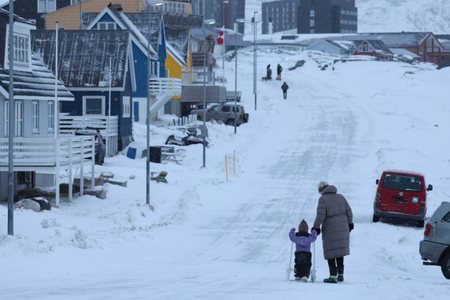
In an article in the New York Times, she takes three different cases—Russia’s invasion of Ukraine, Beijing’s militarization of the South China Sea, Trump’s threats to invade Greenland, and the arrest of Nicolas Maduro—and identifies a common assumption that all three countries make: “Great powers must grow or die.”
She then explains why the current situation has nothing to do with the Yalta Agreement. “During World War II, the leaders of the United States, Britain, and the Soviet Union met at Yalta and essentially divided Europe into rival blocs – one operating an open system that gradually delegitimized colonialism, the other a closed system maintained through oppression. The participants knew that allowing the Soviet Union to encroach on the sovereign ambitions of Eastern Europe was cruelly unjust, but the alternative was more war,” says Duffy Toft.
And he continues: The agreement worked because it was the result of negotiations, had limitations, and served the mutual interests of leaders entering an era where a world war could mean extinction.
Pse sferat e ndikimit nuk do të krijojnë një rend botëror të qëndrueshëm
"Ajo që po merr formë sot nuk ka asnjë garanci për një sukses të ngjashëm. Në vend të kësaj, ne po hyjmë në një botë ku fuqitë e mëdha kërkojnë dominim pa rregulla, kufizime apo kufij të dakordësuar. Është logjika e një sfere (ndikimi) pa disiplinën e një sfere", vëren Duffy Toft.
Sipas profesorit, tre karakteristika kryesore të sferave të ndikimit të sotëm tregojnë se ato nuk mund të krijojnë një rend botëror të qëndrueshëm. E para është se konsolidimi aktual i pushtetit nuk vjen në përgjigje të kërcënimit të një lufte të re botërore. “Marrëveshja e Jaltës e vitit 1945 u përfundua midis shteteve të rraskapitura me qëllim parandalimin e një kthimi në konfliktin global. Sferat që po formohen sot nuk ofrojnë asnjë përfitim të krahasueshëm stabilizues. Përkundrazi, ato mund ta çojnë botën në drejtimin e kundërt ”, thekson Duffy Toft.
Nga e majta, Winston Churchill, Franklin Roosevelt dhe Joseph Stalin në Jaltë, Krime, më 4 shkurt 1945.
Problemi i dytë që nuk garanton stabilitet është natyra e lidershipit aktual të SHBA-së. “Demokracia më e fortë në botë tani udhëhiqet nga një president që ka përmbysur një shekull të politikës së jashtme të SHBA-së, e cila synonte sigurimin e paqes globale dhe promovimin e tregtisë së lirë. Presidenti Trump ka shprehur qartë admirimin e tij për Presidentin kinez Xi Jinping dhe Presidentin rus Vladimir Putin jo aq shumë si individë, por si udhëheqës autoritarë të aftë për të përdorur pushtetin shtetëror për të avancuar dhe ruajtur pushtetin e tyre”, thotë Duffy Toft. Ajo shpjegon se të tre udhëheqësit e kanë rishikuar historinë në mënyra që mbështesin një politikë të jashtme me elementë të fortë dhe ushtarakë shtrëngues.
Elementi i tretë i paqëndrueshmërisë është se vetëm gjeografia nuk mund ta mbështesë më modelin e sferës së ndikimit siç bënte dikur. “Edhe pse administrata Trump kërkon të dominojë Hemisferën Perëndimore, ndikimi amerikan bazohet ende në aleanca, baza jashtë shtetit dhe një rol qendror në arenën globale financiare dhe tregtare”, komenton profesori.
“Kina ka krijuar rrjete të gjera globale përmes tregtisë, financimit të infrastrukturës dhe teknologjisë. Edhe Rusia mbetet e varur nga tregjet globale përmes eksporteve të energjisë, ushqimit dhe armëve. Asnjë nga këto shtete nuk mund të tërhiqet në mjedise të mbrojtura autonome pa dëmtuar rrjetet mbivendosëse të nevojshme për të ruajtur pushtetin e tyre”, thotë Duffy Toft.
Tërheqje vetëshkatërruese
The retreat that has already begun is self-destructive, according to Duffy Toft. “Some of the most existential threats that great powers will face this century—future pandemics, climate change, weaponized artificial intelligence, cyberattacks, and transnational terrorism—simply cannot be addressed in isolation. As the world is once again divided into rival spheres, the cooperation needed to address these threats is weakening,” she points out.
Thus, the evolving landscape may promise stability, but it offers only uncertainty and accumulating risks, such as more serious friction points between nuclear powers, greater nuclear proliferation, less cooperation in the face of global threats, and a system structurally incapable of mitigating the risks it creates.
Blocking the Europeans
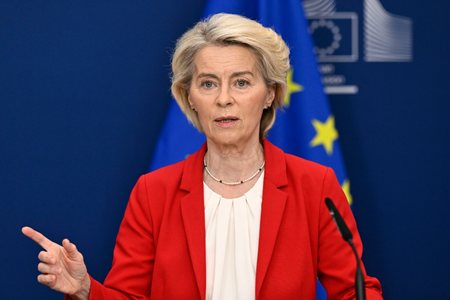
Europeans, as their statements at Davos showed, now believe that nostalgia for the existing global system will hold them back and are looking for ways to respond. So, despite Trump's partial withdrawal from imposing tariffs on the Greenland issue, the EU did not seem ready to forget about it.
Yesterday's summit went on as usual, although the extraordinary reason for its call - Trump's threats - was gone. What seems to have worried European leaders is that the Greenland deal is only a temporary relief and "certainly will not be the last transatlantic crisis they can expect from the current US administration," the Atlantic Council think tank wrote in an analysis.
The same analysis argues that Trump's approach to the Greenland issue has put in a difficult position those who supported the US president's strategy of cooperation, appeasement and appeasement with the argument that Europe is still in a weak position. This argument, " which led the EU to accept an unevenly distributed trade deal with the United States last summer, in pursuit of 'stability and predictability' in the relationship, has suffered a significant blow, even if few European leaders say so publicly at present", the Atlantic Council points out.




Lini një Përgjigje