


 Shkruar nga Pamfleti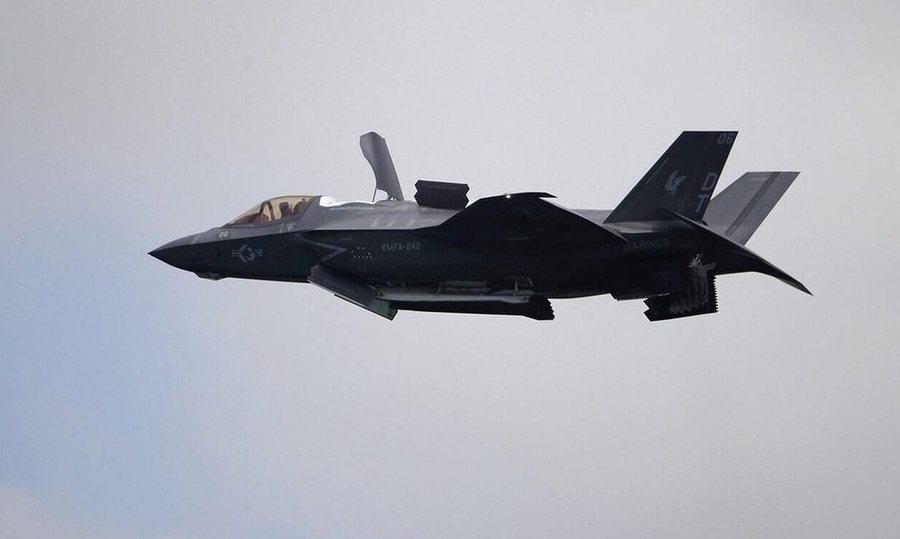
An article published in the Wall Street Journal, signed by Israeli analyst Amit Segal, raises serious concerns about a new possibility of selling American F-35 fighter jets to Turkey, warning that such a decision could bring dangerous destabilization and even armed conflict in the region.
In his analysis, Segal emphasizes that Turkish President Recep Tayyip Erdogan's rhetoric and actions against Israel make the strengthening of the Turkish air fleet with advanced American military technology extremely problematic. He underlines that Erdogan constantly accuses Israel of expansionist goals, while he himself pursues a revisionist agenda inspired by nostalgia for the Ottoman Empire.
The author describes Erdogan’s behavior as a form of “psychological projection,” in which the Turkish leader attributes to Israel goals that actually reflect his own ambitions. When he accuses Israel of territorial expansion, he himself dreams of restoring Ottoman influence. When he speaks of threats to Turkey from Israel, he ignores his own calls for the destruction of Israel. When he accuses Israel of genocide against the Palestinians, he refuses to recognize Turkey’s genocide against the Armenians. And when he criticizes the transformation of the Al-Aqsa Mosque, he forgets that he himself converted the Hagia Sophia museum in Istanbul into a mosque, in the face of international protests.
Continuing his analysis, Segal describes Turkey as an increasingly destabilizing actor in the Muslim world, supporting terrorist organizations and stoking tensions in the region. He mentions the aid Ankara is suspected of giving to Pakistan against India, the military bases it is building in Sri Lanka, and the protection it provides to Hamas leaders.
According to the author, the fact that the United States is once again considering the possibility of supplying Turkey with F-35 aircraft is deeply concerning. He cites the statement of the US ambassador in Ankara who spoke of "productive" talks on the subject, as well as a senior Israeli source who said that the chances of the sale being approved are about 40%, much higher than a few weeks ago.
The article concludes by warning that such a sale may bring short-term economic benefits to the US, but would undermine the strategic balance in the region and Israel’s qualitative military advantage – which Washington is committed to maintaining. Strengthening the military of an increasingly aggressive Turkey, Segal concludes, would be a strategic mistake with serious consequences in the long term.
Amit Segal is chief political analyst at Channel 12 News in Israel and author of the book "A Phone Call at 4 AM: Thirteen Prime Ministers and the Decisions That Shaped Israeli Politics."






Lini një Përgjigje